What simple plating techniques transform home recipes into visual feasts?
Cooking at home is often about comfort, taste, and nourishment. But what if you could easily elevate those delicious home-cooked meals to look as impressive as they taste? You don’t need a professional kitchen or culinary degree to turn your everyday dishes into visual feasts. With a few simple plating techniques, you can transform your dinner table into a gourmet experience, delighting both the eyes and the palate.
The Power of Presentation: Why Plating Matters
Presentation is more than just aesthetics; it’s an integral part of the dining experience. Our eyes are the first to “taste” the food, setting expectations and enhancing enjoyment. Thoughtful plating can make even the simplest dish appear more appetizing, sophisticated, and exciting. It signals care, attention to detail, and passion for the food you’re serving.
Fundamental Principles of Beautiful Plating
Before diving into techniques, understanding a few core principles will guide your plating decisions:
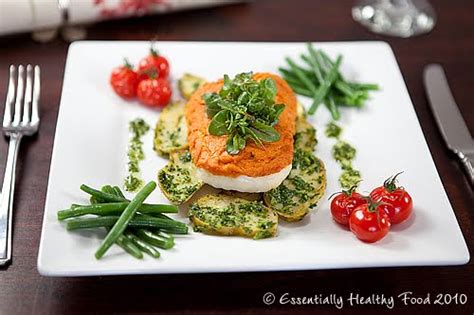
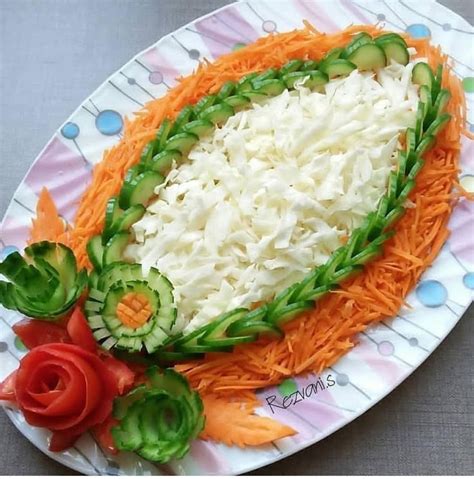
- Color and Contrast: A plate with varied colors is naturally more appealing. Think about how vibrant green herbs pop against a creamy sauce or how roasted vegetables add earthy tones.
- Texture: Incorporate different textures – crunchy, smooth, crisp, soft – to add depth and interest.
- Height and Dimension: Flat food looks less exciting. Add height by stacking components, leaning elements, or using garnishes.
- Focal Point: Every plate needs a star. Arrange your food so there’s a clear center of attention.
- Negative Space: Don’t overcrowd the plate. Leaving some empty space allows the dish to breathe and highlights the food.
Simple Techniques for Home Cooks to Master
1. Keep it Clean and Tidy
This is perhaps the easiest and most crucial step. Before serving, always wipe the rim of your plate with a damp cloth or paper towel to remove any drips, smudges, or stray ingredients. A clean plate instantly elevates the presentation.
2. The Art of the Garnish
Garnishes aren’t just for decoration; they add flavor, texture, and visual appeal. Choose garnishes that complement the dish.
- Fresh Herbs: A sprinkle of chopped parsley, cilantro, dill, or chives can add a burst of color and freshness.
- Citrus Zest: Lemon or lime zest can brighten savory dishes and desserts.
- Seeds and Nuts: Toasted sesame seeds, pumpkin seeds, or chopped nuts add crunch and visual interest.
- Edible Flowers: For a touch of elegance, edible flowers can be a beautiful addition.
- A Drizzle of Oil or Balsamic Glaze: A final swirl can add shine and depth.

3. Mastering Sauces and Purees
Sauces aren’t just for flavor; they’re excellent plating tools. Instead of pouring a pool of sauce over everything, consider these techniques:
- The Swipe: Use the back of a spoon to create an elegant “swipe” across the plate, then arrange your main components on or next to it.
- The Drizzle: Use a squeeze bottle or a spoon to create artistic drizzles or dots around the dish.
- Underneath: Place a small bed of sauce or puree (like mashed potatoes, hummus, or vegetable puree) for your main ingredient to rest on.
4. Thoughtful Arrangement and Stacking
How you arrange your food components profoundly impacts the final look.
- The Rule of Odds: When arranging smaller items (like shrimp, scallops, or vegetables), group them in odd numbers (3, 5, 7) for a more natural and visually appealing look.
- Stacking for Height: For dishes like pancakes, burgers, or even roasted vegetables, carefully stack components to add impressive height.
- The Golden Ratio/Rule of Thirds: Imagine your plate divided into thirds horizontally and vertically. Placing key elements at the intersections or along these lines can create a balanced composition.
- Consider the Clock: For main courses, a common professional approach is to place protein at 6 o’clock, starch at 10 o’clock, and vegetables at 2 o’clock.
5. Choose Your Plateware Wisely
The plate itself is your canvas. Simple, plain white plates are often preferred as they make the food’s colors pop. However, don’t shy away from using interesting shapes or subtle patterns if they complement the dish without distracting from it.
Transforming Common Dishes
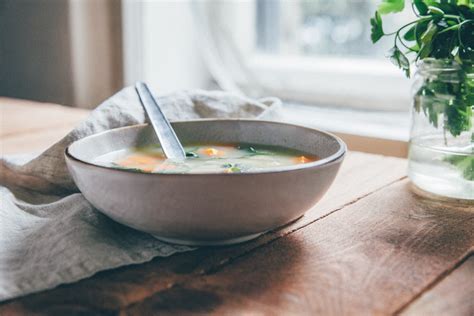
- Soups: Add a swirl of cream, a drizzle of pesto, or a sprinkle of croutons right before serving.
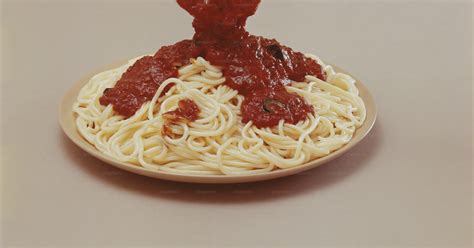
- Pasta: Twirl long pasta with tongs into a neat mound, then top with sauce and garnish.
- Roasted Meats & Vegetables: Slice meat neatly, fan it out slightly, and arrange colorful vegetables strategically around it.
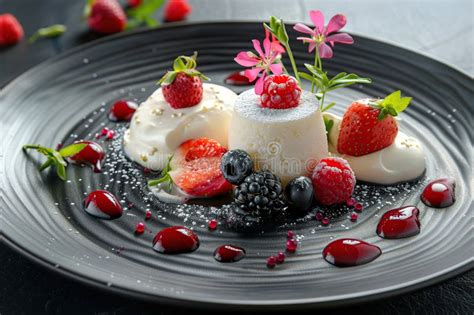
- Desserts: A simple scoop of ice cream looks better with a berry compote swirl or a chocolate drizzle.
Conclusion: Practice Makes Perfect (and Pretty)
Plating is an art form that develops with practice. Start with one or two techniques and gradually incorporate more. Don’t be afraid to experiment, have fun, and let your creativity shine. With a little effort, you’ll soon be transforming your delicious home recipes into stunning visual feasts that impress everyone at your table.