What simple plating tips elevate recipe visuals for stunning food photos?
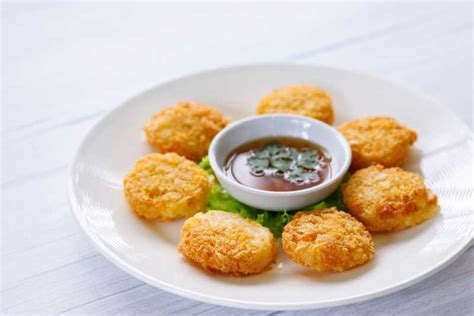
Why Plating Matters for Stunning Food Photos
In the age of visual content, how a dish looks can be just as important as how it tastes. For recipe developers, food bloggers, and home cooks alike, mastering the art of plating is crucial for capturing scroll-stopping food photos. You don’t need to be a Michelin-star chef to create visually appealing meals; often, it’s the simplest techniques that make the biggest difference. Let’s dive into practical tips that will elevate your recipe visuals from ordinary to extraordinary.
The Foundation: Choosing Your Canvas Wisely
Your plate or bowl is the canvas for your culinary artwork. The right vessel can dramatically enhance your dish, while the wrong one can detract from its appeal. Opt for neutral-colored dinnerware (whites, grays, muted blues) as they allow the food’s natural colors to pop. Consider the size – a plate that’s too large can make a serving look sparse, while one that’s too small can look overcrowded. Experiment with different shapes and textures to find what best complements your dish.
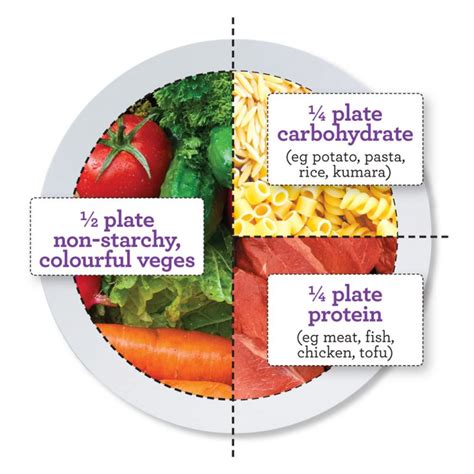
Composition and Arrangement: The Art of Placement
Less is More: The Rule of Odds and Negative Space
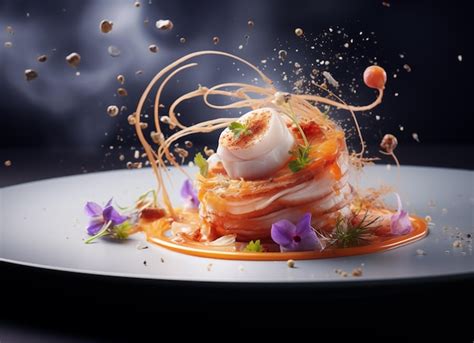
When arranging food, resist the urge to pile everything high. Instead, focus on creating an appealing composition. The “rule of odds” suggests that an odd number of items (e.g., three scallops instead of two) is more visually interesting and aesthetically pleasing. Embrace negative space – the empty areas around your food – as it helps the main elements stand out and gives the eye a place to rest. Don’t be afraid to leave parts of the plate untouched.
Creating Height and Dimension
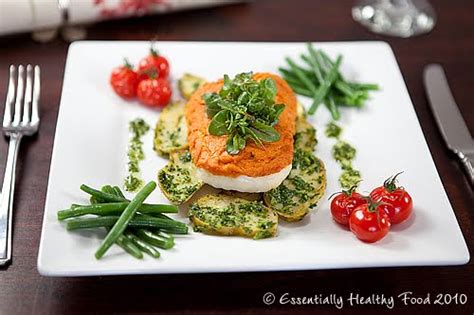
Flat food rarely photographs well. Introduce height and dimension to make your dish more dynamic. This can be achieved by layering ingredients, stacking components (like pancakes or burger patties), or propping items against each other. For instance, lean asparagus spears against a piece of salmon or stack roasted vegetables rather than spreading them flat. Think vertically to add interest and depth to your presentation.

Color, Contrast, and Texture: Visual Dynamics
A visually appealing dish boasts a variety of colors, textures, and contrasts. If your dish is monochromatic (e.g., a beige soup or pasta), think about how you can introduce complementary colors through garnishes like fresh herbs, a vibrant sauce drizzle, or a sprinkle of toasted nuts. Varying textures—crispy, creamy, crunchy, smooth—adds interest both on the plate and in the photograph. Contrast can come from both color (light food on dark plate) and texture (smooth puree next to crunchy croutons).
Garnish with Purpose: The Finishing Touch
Garnishes aren’t just for show; they can enhance flavor and provide crucial visual appeal. A sprinkle of fresh herbs (parsley, cilantro, chives), a zest of citrus, a drizzle of high-quality olive oil, or a dusting of paprika can transform a dish. Ensure your garnishes are fresh, relevant to the dish, and strategically placed. Use them to add a final pop of color, an extra layer of texture, or to guide the eye towards the main subject.
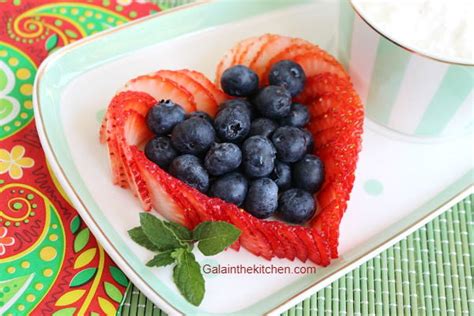
Cleanliness and Precision: The Professional Edge
Even the most perfectly composed dish can be ruined by smudges or spills. Before taking your photo, carefully wipe the edges of your plate with a damp cloth or paper towel to remove any drips, crumbs, or fingerprints. Ensure sauces are neatly drizzled and ingredients are precisely placed. A clean and tidy presentation signals professionalism and attention to detail, making your food look even more appetizing.
Mastering the Art: Practice Makes Perfect
Elevating your recipe visuals through plating is a skill that improves with practice. Start by focusing on one or two tips per dish, gradually incorporating more as you become comfortable. Observe how professional chefs and food photographers plate their dishes. Experiment with different angles, lighting, and compositions. With a little intentional effort, you’ll soon be transforming your everyday meals into visual masterpieces ready for their close-up.