What simple plating tips instantly elevate a home-cooked meal’s visual appeal?

The Power of Presentation: Why Plating Matters
You’ve spent time carefully selecting ingredients, mastering recipes, and perfecting flavors. But often, the final step – plating – is overlooked in home kitchens. Yet, presenting your food beautifully can transform a simple meal into a delightful culinary experience, engaging not just the taste buds but also the eyes. It tells a story, stimulates appetite, and makes every dish feel special, even on a weeknight. Here are straightforward tips to instantly elevate the visual appeal of your home-cooked masterpieces.
Choose Your Canvas Wisely: The Plate
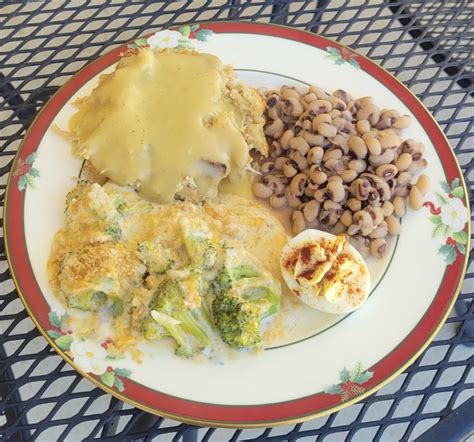
The plate itself is your canvas. Opt for dishes that complement your food, rather than overpowering it. White or neutral-colored plates are often best as they make the colors of your food pop. Consider the size as well; an oversized plate with a small portion can look sparse, while a cramped plate can appear messy. Don’t be afraid to experiment with different shapes – square, rectangular, or even unconventional designs can add an interesting touch.
Focus on the Main: The Rule of Odds and Height
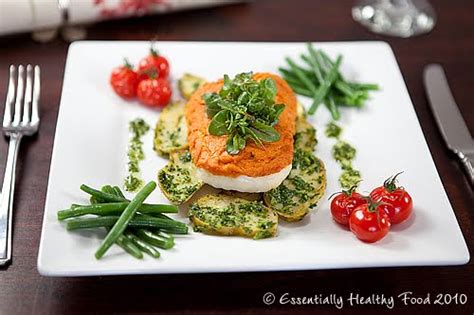
When arranging elements, remember the rule of odds – odd numbers (like three or five) of items tend to be more visually appealing than even numbers. Place your main protein or star ingredient first, slightly off-center, as your focal point. Build around it, ensuring each component has its own space while contributing to the overall harmony of the dish. Think about creating height to add dimension and visual interest; stacking components thoughtfully can make a dish look more dynamic and professional.
Color and Texture: A Feast for the Eyes
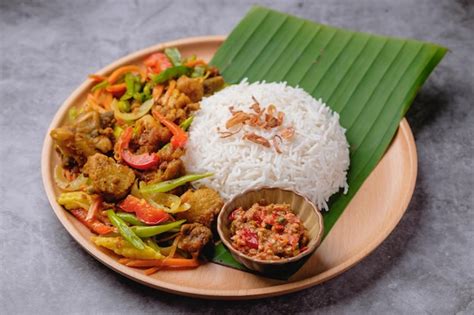
A visually appealing dish boasts a variety of colors and textures. Don’t let your plate be monochrome! Incorporate vibrant vegetables, fresh herbs, or colorful sauces to add contrast. Think about different textures too: crispy elements next to soft ones, or smooth purees alongside crunchy garnishes. This diversity not only pleases the eye but also enhances the eating experience by offering various sensations with each bite.
Garnish with Purpose, Not Just for Show
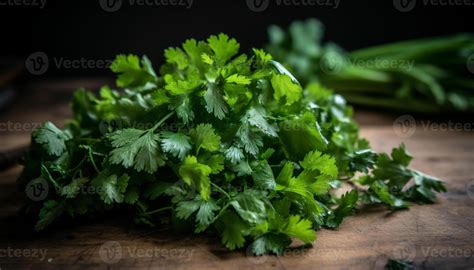
Garnishes aren’t just an afterthought; they’re an integral part of the presentation. A sprinkle of fresh herbs (parsley, cilantro, chives), a wedge of lemon, a drizzle of high-quality olive oil, or a scattering of toasted nuts can add color, aroma, and texture. Ensure your garnish is edible and relevant to the dish’s flavor profile. Less is often more; a judiciously placed garnish is far more effective than an overloaded one.
Mastering the Art of Saucing
Sauces can be a powerful tool for plating. Instead of pouring sauce all over your dish, consider strategic placement. A gentle drizzle around the main ingredient, a graceful swipe of sauce across the plate with the back of a spoon, or a small pool next to an item can add elegance and define boundaries. Use squeeze bottles for intricate patterns or dots for a sophisticated and artistic touch.
Cleanliness and Definition: The Finishing Touches
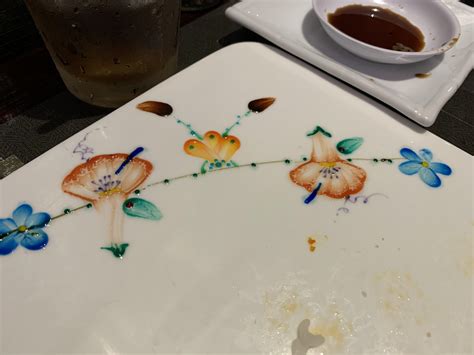
Before serving, take a moment to clean the edges of your plate with a damp cloth or paper towel. Any drips, smudges, or stray crumbs can detract from even the most beautifully arranged food. Ensure that each component of your dish is well-defined and not swimming in liquid. These small details make a big difference in creating a professional and inviting presentation, signaling care and attention to the diner.

Conclusion: Eat with Your Eyes First
Elevating your home-cooked meals with simple plating techniques doesn’t require culinary school training or expensive tools. It’s about paying attention to details, understanding balance, and having fun with the presentation. By applying these tips, you’ll not only impress your family and guests but also enhance your own enjoyment of the food, proving that a meal truly begins long before the first bite – with the eyes.