What simple plating tricks elevate recipes to photo-ready perfection?
In today’s visually driven world, how a dish looks can be almost as important as how it tastes. Whether you’re a home cook eager to share your creations online or simply want to make mealtime more special, elevating your food presentation doesn’t require culinary school. With a few simple plating tricks, you can turn everyday recipes into photo-ready masterpieces.
The Canvas: Choosing Your Plate Wisely
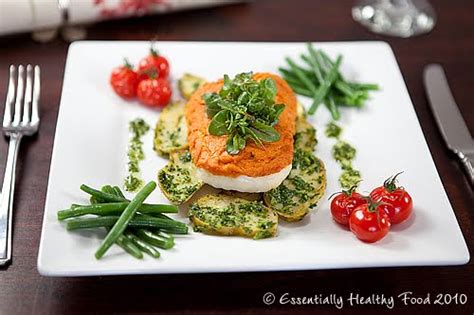
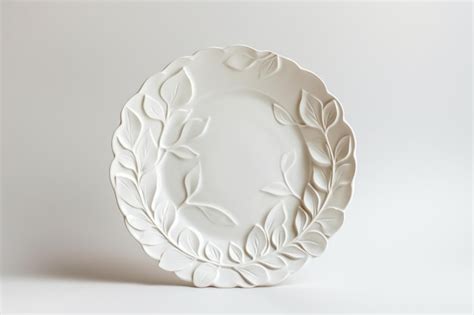
Think of your plate as a blank canvas. The right background can make all the difference. Opt for simple, neutral-colored plates – white or off-white are often best – as they allow your food’s colors to pop without distraction. Consider the size and shape; a slightly larger plate provides more ‘white space’ around your food, making the presentation feel less cluttered and more elegant. Experiment with round, square, or rectangular plates to see what complements your dish best.
Mastering Composition and Balance
Composition is key to visual appeal. Instead of piling food in the center, try to arrange components intentionally. The ‘rule of thirds’ from photography can be applied here: imagine dividing your plate into nine equal sections and place your main components along the lines or at their intersections. Aim for an odd number of components, as this often creates a more dynamic and aesthetically pleasing arrangement. Create a focal point, usually the main protein, and build around it, ensuring each element has its own space while contributing to the overall harmony.

Playing with Color, Texture, and Height
A dish with varied colors, textures, and heights is inherently more interesting. Add pops of contrasting color with fresh herbs, edible flowers, a drizzle of vibrant sauce, or a sprinkle of paprika. Varying textures — a crispy crouton next to a creamy soup, or crunchy nuts over soft pasta — adds a delightful complexity. Don’t be afraid to build up! Stacking components (like layering slices of meat or vegetables) or creating a small mound of a side dish adds dimension and makes the plate look more sophisticated. A little height can make a flat dish much more dynamic.

The Art of Saucing and Garnishing
Sauces and garnishes aren’t just for flavor; they’re powerful plating tools. Instead of pouring sauce all over, try swiping it elegantly across the plate with the back of a spoon, creating a base for your main ingredients. Drizzle a complementary sauce in small dots or a delicate swirl. Garnishes like finely chopped chives, microgreens, a lemon wedge, or a perfectly placed sprig of rosemary can elevate a dish immensely. Place them strategically to add a final flourish, drawing the eye and adding freshness.

The Finishing Touches: Cleanliness and Presentation
Before snapping that photo or serving, take a moment for the finishing touches. Use a clean cloth or paper towel to wipe any smudges or spills from the rim of the plate. A pristine plate border instantly elevates the professional look of your dish. If you’re really aiming for perfection, a pair of kitchen tweezers can help with precise placement of small garnishes or herbs. Finally, consider the background and lighting if you’re photographing your food. Natural, diffused light is often best, and a simple, uncluttered background will keep the focus on your beautifully plated meal.
By incorporating these simple plating tricks, you’ll not only make your food look more appealing but also enhance the entire dining experience. So next time you cook, take a few extra minutes to plate with purpose – your camera (and your guests) will thank you!