What simple plating tricks make everyday recipes look gourmet & photo-ready?

The Art of Visual Appeal: Elevating Your Everyday Meals
Eating is a multi-sensory experience, and long before the first bite, our eyes ‘eat’ the food. Transforming an ordinary meal into a visually stunning dish doesn’t require culinary school or fancy equipment; it simply needs a few thoughtful plating tricks. These techniques can make even the simplest recipes look gourmet and perfectly photo-ready, ready to impress both your dinner guests and your social media followers.
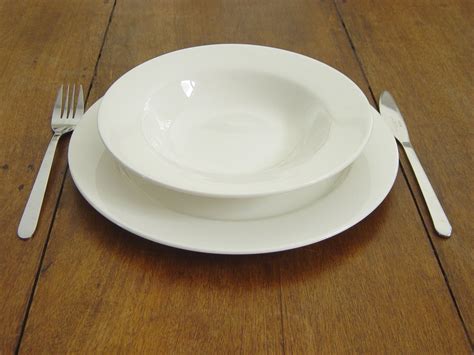
The foundation of any great plate begins with a clean canvas. Always start with a spotless plate, preferably in a neutral color like white, which allows the food to truly pop. Think about contrast: a vibrant sauce on a light dish, or a light element on a darker one. This visual juxtaposition immediately adds a professional touch.

Building Height and Dimension
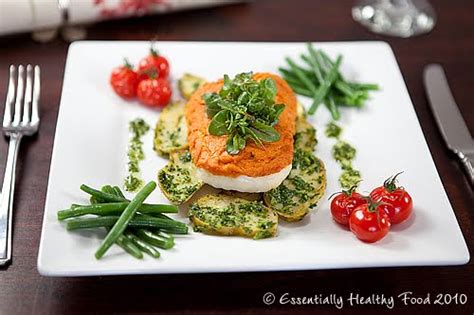
Flat food can look uninspired. Introducing height and dimension is one of the quickest ways to elevate a dish. Instead of spreading ingredients across the plate, consider stacking them, leaning them against each other, or using molds to give them a defined structure. Think vertically! For example, stack roasted vegetables or create a small tower of rice with a circular mold. This not only makes the dish more interesting but also creates a focal point.
Even a simple protein can gain visual interest by being sliced and fanned out, creating a dynamic flow across the plate rather than a single flat piece. Use different textures to your advantage when building height; a crispy element on top of a soft one adds both visual and textural contrast.
Strategic Placement and Garnishes
When arranging food, the ‘rule of odds’ often applies – odd numbers of items tend to be more visually appealing than even numbers. Consider placing your main components in a slight cluster rather than perfectly centered, allowing for negative space around them. Negative space is just as important as the food itself; it gives the eye a place to rest and emphasizes the dish’s focal point.
Garnishes are not just for decoration; they add freshness, color, and often an extra layer of flavor. A sprinkle of fresh herbs (parsley, cilantro, chives), a few edible flowers, a wedge of lemon, or a dusting of paprika can instantly transform a plate. Ensure your garnishes are fresh, vibrant, and relevant to the dish’s flavor profile. Less is often more; a carefully placed sprig can be far more effective than a scattered mess.
Mastering Sauces and Drizzles
Sauces can act as edible art. Instead of simply pouring sauce over your food, try more deliberate techniques. A simple swirl across the plate with the back of a spoon, small dots strategically placed, or a zig-zag drizzle can add sophistication. Use squeeze bottles for greater precision, especially for thicker sauces or purees. Consider the color of your sauce relative to the food; a contrasting color will stand out beautifully.
For dishes with multiple sauce components, like a plate with a main sauce and an aioli, think about how they interact visually. Perhaps one can be a base, and the other can provide decorative dots or lines, creating depth and interest.
Color, Texture, and Lighting for Photo-Readiness
A visually appealing plate is rich in color and texture. Aim for a variety of hues using colorful vegetables, fruits, or spices. Contrast soft textures with crunchy ones – think creamy polenta with crispy fried shallots, or tender fish with toasted nuts. This variety stimulates the senses even before the first bite.

Finally, for that ‘photo-ready’ look, always consider your lighting. Natural, diffused light is your best friend. Position your plate near a window but avoid direct harsh sunlight, which can create strong shadows. A simple white tablecloth or background can also make a huge difference, ensuring the focus remains squarely on your beautifully plated masterpiece.
Conclusion
Plating is an accessible skill that adds immense value to your cooking. By focusing on cleanliness, building height, strategic placement, artistic garnishes, and thoughtful sauce application, you can transform everyday recipes into gourmet experiences. Practice these simple tricks, and soon you’ll be plating like a pro, making every meal a feast for the eyes and a joy to photograph.