What simple plating tricks make home recipes visually stunning?
You’ve spent time perfecting a recipe, ensuring every flavor note sings in harmony. But often, the visual appeal of a home-cooked meal can be an afterthought. Yet, presentation is the first impression, and with just a few simple plating tricks, you can transform ordinary dishes into extraordinary culinary experiences that delight the eyes as much as the palate.
The Foundation: Cleanliness and Contrast
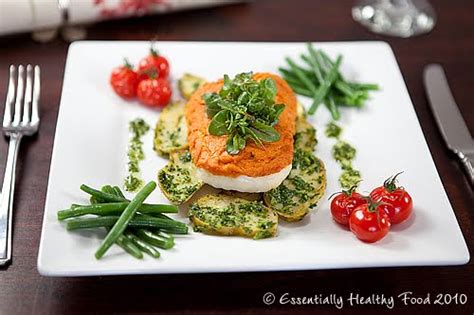
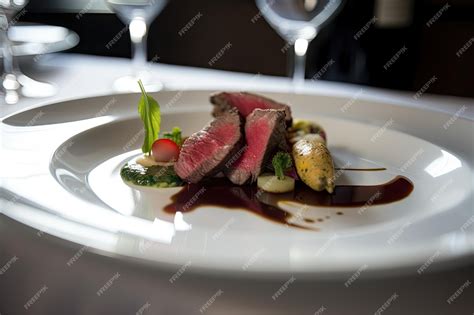
Before you even think about arranging food, ensure your plate is spotlessly clean. Any smudges or drips detract from the overall presentation. Once your canvas is ready, consider color. A vibrant dish might pop against a plain white plate, while a lighter dish could benefit from a darker background. Don’t be afraid to use contrasting colors in your food itself; a sprinkle of fresh green herbs on a rich red pasta sauce, or a bright orange carrot purée alongside a seared white fish, can make a dish instantly more appealing.

Adding Dimension and Texture
Flat food can look uninspired. Think about adding height and dimension to your plate. Stacking ingredients, leaning elements against each other, or placing a central item on a bed of greens can create visual interest. For instance, pile rice or mashed potatoes into a neat mound, then arrange proteins and vegetables around or on top of it. Variety in texture is equally important. A crunchy element like toasted nuts or croutons next to a creamy sauce or tender meat provides both a textural and visual contrast.
The Art of Garnishing
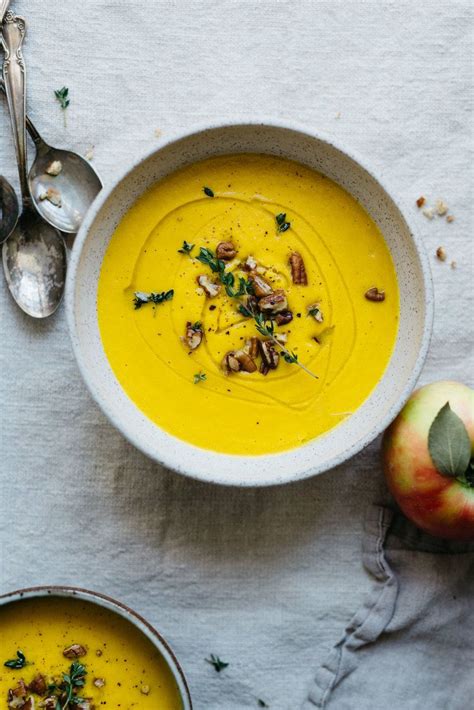
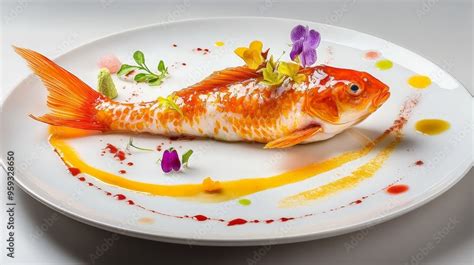
Garnishes aren’t just for restaurants; they’re an essential plating trick for home cooks too. A small sprig of fresh herbs (parsley, cilantro, dill), a wedge of lemon or lime, a sprinkle of chili flakes, or a drizzle of a contrasting sauce can elevate a dish dramatically. Choose garnishes that complement the flavors of your dish rather than just adding decoration. Edible flowers can also add a touch of elegance and color, transforming a simple salad or dessert.
Thoughtful Arrangement and Placement
The rule of odds often applies in plating: arranging items in odd numbers (three, five, seven) tends to be more visually appealing than even numbers. Create a focal point on your plate, usually the main protein, and arrange supporting elements around it. Think about negative space – leaving some areas of the plate empty can make the food you do present stand out more. Consider classic arrangements like the ‘rule of thirds’ or a ‘circular’ presentation, where elements radiate from the center.
Simple Tools, Big Impact
You don’t need a professional chef’s toolkit to plate beautifully. A simple squeeze bottle can create elegant drizzles of sauce or purée. An offset spatula helps lift and place delicate items. Even a large spoon can be used to create swooshes or smears of sauce. Practice makes perfect, and experimenting with these simple tools can lead to stunning results without much effort.
Ultimately, plating is about telling a story with your food. It’s an extension of your cooking and a way to show care and attention to detail. By incorporating these simple plating tricks into your home cooking routine, you’ll not only impress your family and guests but also deepen your own appreciation for the culinary arts. So go ahead, unleash your inner food stylist, and make every meal a feast for the eyes!