What simple recipe plating techniques enhance visual appeal?

The Art of the Plate: Why Presentation Matters
While taste is paramount, the visual appeal of a dish plays a crucial role in how much we enjoy our food. Our eyes are the first to ‘taste’ a meal, and a beautifully presented plate can elevate even the simplest recipe from merely satisfying to truly memorable. Fortunately, you don’t need a culinary degree to master basic plating techniques. With a few simple tricks, you can transform your home cooking into restaurant-quality presentations.
Good plating isn’t just about making food look pretty; it’s about guiding the diner’s eye, telling a story about the dish, and even influencing perceived flavor. It shows care and attention, making the dining experience more special for everyone at the table.
Choose Your Canvas Wisely
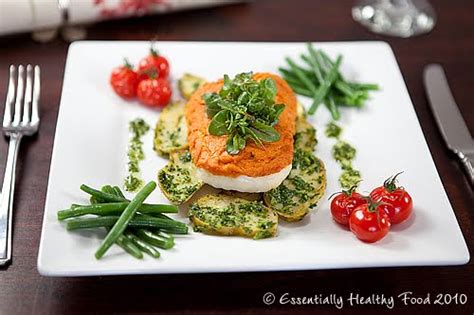
The plate itself is your canvas. Choosing the right one can make a significant difference. White plates are often preferred by chefs because they allow the colors of the food to pop without distraction. Consider the size of your plate as well; don’t overcrowd it. Leave some negative space – the empty areas around your food – as this helps highlight the main elements and prevents the dish from looking messy. A general rule of thumb is to fill about two-thirds of the plate.
Mastering Color and Contrast
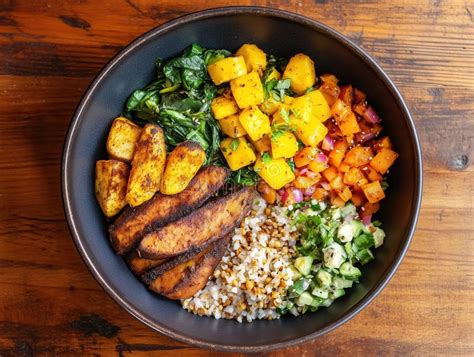
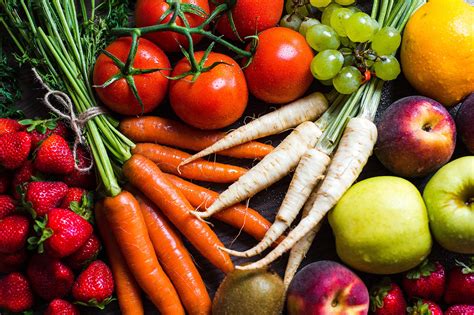
Nature provides an incredible palette of colors, and using them effectively is key to appealing plating. Aim for a variety of colors on your plate, which often indicates a diverse range of nutrients too! Think about contrasting colors to make elements stand out – for example, bright green herbs against a creamy white sauce, or vibrant red tomatoes beside a dark protein. Don’t be afraid to add a pop of color with a carefully placed garnish or a colorful vegetable side.

Building Height and Dimension
Flat food can look unappetizing. Adding height and dimension creates visual interest and makes the dish more dynamic. This can be achieved by stacking ingredients thoughtfully, like layering slices of meat, or piling vegetables artfully. Consider using a ring mold for starches like rice or quinoa to create a perfect cylinder, then build around or on top of it. Even a simple lean against another component can add a pleasing architectural element.
The Rule of Odds and Asymmetry
In plating, odd numbers tend to be more visually appealing and natural than even numbers. For example, plating three scallops instead of two, or five asparagus spears instead of four. Arranging elements slightly off-center or in an asymmetrical pattern can also create a more dynamic and less static composition, drawing the eye across the plate in an engaging way.
![Free Food 4k Wallpaper Downloads, [100+] Food 4k Wallpapers for FREE ...](/images/aHR0cHM6Ly90czMubW0uYmluZy5uZXQvdGg/aWQ9T0lQLnBhWm9rUnI2SEZkWFpRb0lBS21EamdIYUVLJnBpZD0xNS4x.webp)
Strategic Saucing and Drizzling
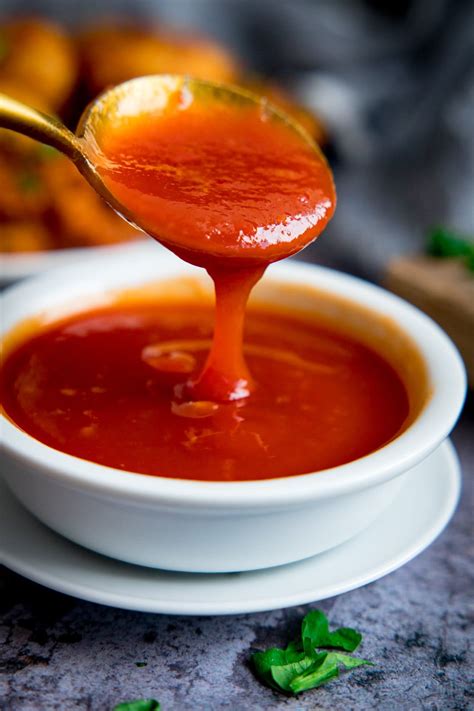
Sauces are not just for flavor; they’re integral to presentation. Instead of simply pouring sauce over everything, consider more artful applications. A controlled drizzle around the main elements, a sweeping smear with the back of a spoon, or small dots strategically placed can add elegance and moisture without drowning the dish. Squeeze bottles can be excellent tools for precision saucing.
The Magic of Garnishes
Garnishes are the final touch that can elevate a dish from good to great. Fresh herbs like parsley, cilantro, dill, or chives add freshness, color, and aroma. Edible flowers can bring an unexpected touch of elegance. A sprinkle of toasted nuts, sesame seeds, or a dusting of paprika can add texture and visual appeal. Remember, a garnish should always complement the dish’s flavor and not overwhelm it.
Conclusion: Practice Makes Perfect
Like any skill, plating takes practice. Don’t be discouraged if your first attempts aren’t perfect. Experiment with different arrangements, colors, and textures. Pay attention to how professional chefs plate their dishes in restaurants or online for inspiration. Soon, you’ll develop an intuitive sense for what looks good, transforming your home-cooked meals into feasts for both the eyes and the palate.