What single edit makes Visual Bites instantly more delicious for foodies?

In the vibrant world of “Visual Bites,” where every dish aims to be a feast for the eyes, capturing the attention and appetite of a true foodie is an art. We strive for perfect plating, impeccable lighting, and vibrant colors. Yet, often, something feels missing – that intangible spark that transforms a beautiful image into an irresistible craving, a story, a connection. Foodies don’t just eat with their eyes; they eat with their imagination, their memories, and their desire for authenticity.

Beyond Static Beauty: What Foodies Truly Crave
The discerning foodie isn’t merely impressed by aesthetic perfection. While a perfectly styled plate is appreciated, it can sometimes feel sterile or unapproachable. What food enthusiasts truly seek is a deeper understanding, a hint of the process, the passion, and the narrative behind the dish. They want to feel connected to the meal, to imagine the textures, smells, and even the sounds of its creation or consumption. A static, flawless image, while visually appealing, often lacks this crucial layer of engagement, leaving the viewer admiring, but not necessarily salivating or feeling connected.
The Single Edit: Unleashing the Narrative Power
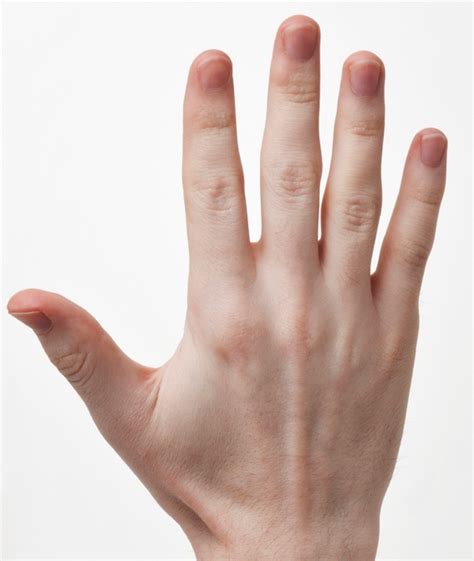
So, what’s the one swift, impactful edit that can elevate “Visual Bites” from mere observation to an instant, mouth-watering experience? It’s the deliberate inclusion of a subtle human element or a glimpse into the process of creation/enjoyment. This isn’t about overtly featuring a face, but rather a hand reaching for a piece of bread, a sprinkle of fresh herbs falling onto a dish, steam gently rising from a hot soup, or even the soft blur of a chef’s hands in the background. It’s about introducing a dynamic, relatable moment that invites the viewer into the story.
This single edit injects life and authenticity. It suggests action, warmth, and the tangible presence of someone interacting with the food. It transforms a still life into a vibrant scene, answering the unspoken questions in a foodie’s mind: “How was this made?”, “Who is enjoying this?”, “What does it feel like to be there?”.
Why This Resonates Deeply with the Culinary Enthusiast
Introducing this human touch or process insight taps into several psychological triggers for foodies. Firstly, it adds a layer of authenticity and craftsmanship. Seeing a hand at work implies skill, care, and a handmade quality often celebrated in culinary circles. Secondly, it fosters relatability and desire. The viewer can more easily imagine themselves in that scene, reaching for that bread, or sprinkling those herbs. This direct connection transforms passive viewing into active engagement, sparking a primal desire.
Furthermore, it enhances storytelling. A simple hand or a wisp of steam provides context and a sense of unfolding narrative, making the dish feel less like an exhibit and more like an experience waiting to happen. It’s the difference between looking at a beautiful painting of a meal and feeling like you’re about to sit down at the table.

Practical Applications for Irresistible Visuals
Implementing this edit doesn’t require complex staging. Think about:
- A hand gently drizzling olive oil over a salad.
- A fork poised to take the first bite of a dessert.
- A chef’s knife in the blurred background, hinting at preparation.
- Steam visibly rising from a comforting bowl of pasta.
- A slight blur of motion suggesting stirring or pouring.
These seemingly small details are incredibly powerful. They bridge the gap between a static image and a sensory experience, making your “Visual Bites” not just beautiful, but utterly, irresistibly delicious.
By simply adding a touch of life and context, you invite foodies to truly engage, transforming your visual content into a more compelling, memorable, and ultimately, more delicious offering. It’s a testament to how the smallest detail can unlock a world of flavor and connection.