What single element in “Visual Bites” food photography maximizes foodie recipe clicks?

The Hunger Games of Food Photography
In the vast and delectable digital landscape of food blogs and recipe websites, capturing attention is an art form. Every scroll reveals a new culinary masterpiece, a vibrant dish vying for a foodie’s precious click. But amidst this visual feast, what single element in “Visual Bites” food photography truly cuts through the noise and compels a viewer to not just admire, but to act—to click that recipe link?
While many factors contribute to a stunning food photograph, from intricate styling to perfect exposure, there’s one overarching quality that serves as the ultimate click-driver. It’s the promise of an immediate, tangible sensory experience, a visual cue so powerful it transcends mere aesthetics and directly stimulates desire.
The Undeniable Power of Irresistible Texture and Freshness
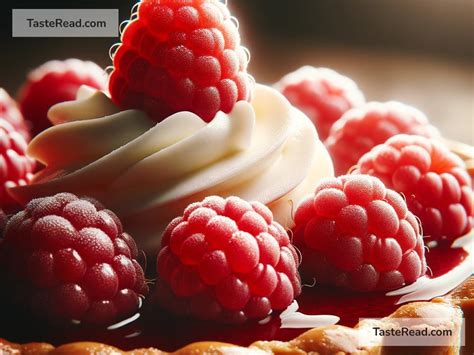
The champion element is the expert portrayal of irresistible texture and undeniable freshness. It’s not just about a pretty plate; it’s about making the viewer feel the crunch of a perfectly roasted vegetable, the melt of rich chocolate, the sticky glaze of a sauce, or the juicy burst of a ripe berry. When food photography successfully conveys texture and freshness, it taps into our primal instincts, triggering memories of taste, smell, and touch, making the dish seem almost within reach.
This isn’t merely about visual appeal; it’s about psychological impact. A dish that looks crisp, moist, tender, or vibrant instantly communicates quality, deliciousness, and the promise of a satisfying meal. It answers the subconscious question: “Will this recipe deliver on its visual promise?”
Lighting: The Sculptor of Texture
How does one achieve this? Lighting plays a paramount role. Natural, directional light, particularly from the side or back, is a magician when it comes to emphasizing texture. It creates subtle highlights and shadows that give dimension to surfaces—the glistening sheen of a sauce, the delicate crumb of a pastry, the airy fluffiness of a meringue, or the crisp edges of a fried dish. Harsh, flat lighting, conversely, can wash out these crucial details, making food appear bland and uninviting.
Styling and Composition: Highlighting Freshness and Detail
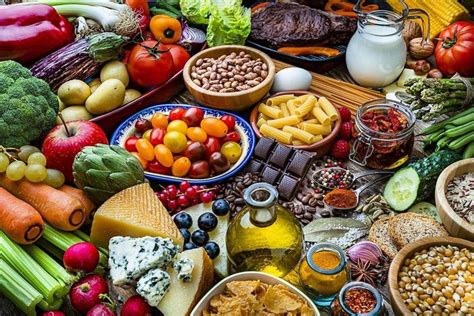
Beyond lighting, strategic styling and composition are vital. Freshness is communicated through vibrant, natural colors, firm structures, and often, by showcasing key ingredients in their pristine state. A glistening drizzle, a scattering of fresh herbs, or a vibrant garnish aren’t just decorative; they are direct signals of vitality and quality.
Compositionally, focusing sharply on the hero element of the dish, allowing for a pleasing depth of field, draws the eye precisely to where the texture and freshness are most pronounced. Capturing “the moment”—a slight steam rising, a perfect drip, a delicate crumble—further enhances this tactile appeal, making the food look dynamic and alive, as if it’s just been served.

The Psychological Catalyst for Clicks
Ultimately, the successful portrayal of texture and freshness is a psychological catalyst. It tells a story of deliciousness and quality without a single word. It makes a viewer not just think “that looks good,” but “I need to taste that.” This irresistible urge is precisely what translates into higher recipe clicks. Food that looks succulent, crunchy, tender, or juicy promises a rewarding experience, transforming passive admiration into active engagement.
Conclusion: Master the Sensory Invitation
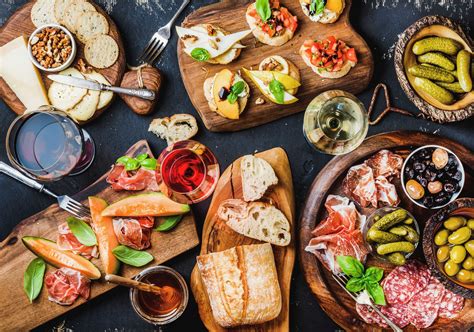
In the competitive arena of “Visual Bites,” while aesthetics are important, the single most potent element for maximizing foodie recipe clicks is the masterful depiction of irresistible texture and undeniable freshness. By harnessing lighting, styling, and composition to amplify these sensory qualities, photographers don’t just create beautiful images; they craft compelling invitations to culinary adventure, driving viewers directly to that desired recipe.