What single food photography tip boosts Visual Bites’ appetite appeal?
The Secret Ingredient for Irresistible Food Photography
In the vibrant world of culinary presentation, where every pixel contributes to the narrative of deliciousness, the challenge for brands like ‘Visual Bites’ is constant: how to make food look as good as it tastes? While many elements contribute to a stunning food photograph, there’s one single tip that consistently elevates appetite appeal above all others. It’s not about the most expensive camera or the trendiest props; it’s about mastering the art of illumination.
Embrace the Power of Natural Light
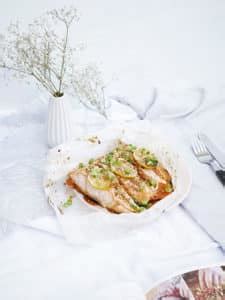
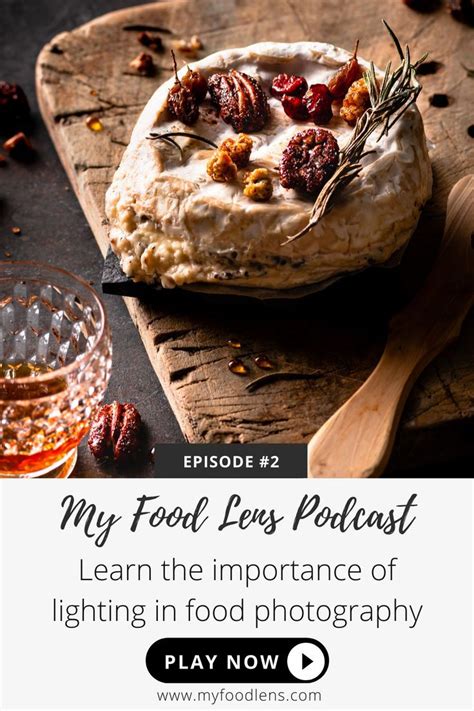
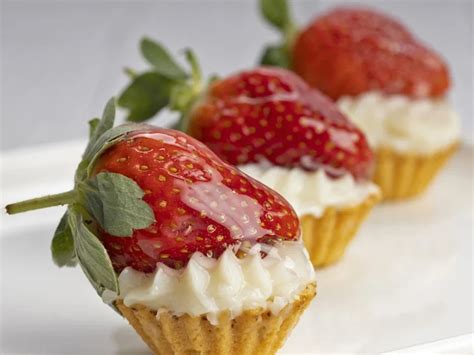
The undisputed champion of food photography is natural light. Specifically, soft, diffused natural light. Forget harsh flashes or complicated studio setups for a moment; the gentle glow filtering through a window can transform a dish from flat to feast-worthy in an instant. Natural light creates soft shadows, reveals textures, and renders colors authentically, making food look fresh, inviting, and utterly delicious. It tells a story of organic beauty, which resonates deeply with viewers.
Why Natural Light Works Wonders for Appetite Appeal:
- Authentic Colors: Natural light accurately portrays the true hues of food, preventing undesirable color casts that can make dishes look unappetizing.
- Soft Shadows & Highlights: It creates subtle shadows and gentle highlights that add depth, dimension, and realism, making food appear more three-dimensional and tactile.
- Texture Revelation: The way natural light interacts with the surface of food emphasizes textures, from the crispy crust of bread to the glossy sheen of a sauce.
- Ease of Use: It’s readily available and often free, making it accessible for everyone, from home cooks to professional brands.

Harnessing Natural Light for ‘Visual Bites’
For ‘Visual Bites’, leveraging natural light means consistently presenting food in its most flattering form. Position your dishes near a window, but out of direct, harsh sunlight. Direct sun can create stark shadows and blown-out highlights, which can detract from appetite appeal. Instead, opt for indirect light, perhaps on a cloudy day or by using a sheer curtain to diffuse intense sunlight.
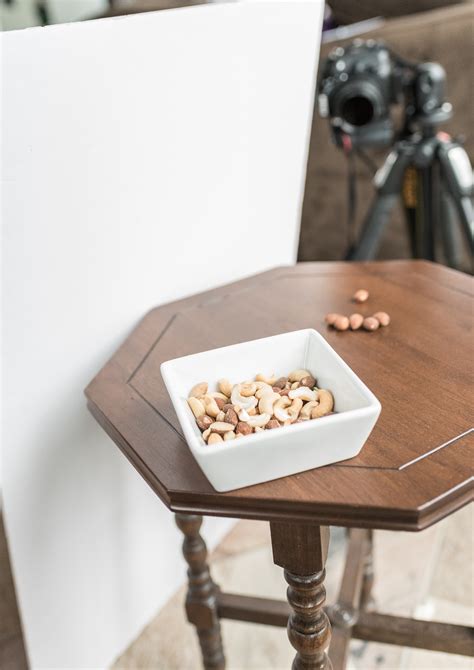
A simple white foam board or reflector can be used on the opposite side of your light source to bounce light back into the shadows, reducing contrast and brightening darker areas of the food. This simple technique can dramatically improve the overall look, making the dish appear more vibrant and evenly lit.
Practical Tips for Maximizing Natural Light
- Find Your Sweet Spot: Experiment with different angles relative to your window. Side lighting or backlighting (with a reflector in front) often yields the most dramatic and appealing results for food.
- Diffuse, Don’t Direct: Avoid direct sunlight. Use sheer curtains, a diffuser panel, or shoot on an overcast day for soft, even illumination.
- Mind the Shadows: While soft shadows add depth, harsh, distracting shadows can ruin a shot. Use reflectors to fill in any overly dark areas.
- Shoot Quickly: Natural light changes. Set up your shot before placing the food to maximize your shooting time during optimal lighting conditions.
The Undeniable Impact on ‘Visual Bites’
By consistently employing soft, natural light, ‘Visual Bites’ can ensure that every photograph communicates freshness, quality, and an irresistible invitation to indulge. This single tip transforms flat images into dynamic, mouth-watering visuals that resonate with viewers and undeniably boost appetite appeal. It makes the food look alive, making it harder for anyone to scroll past without a second glance.
In essence, the best food photography isn’t about complexity; it’s about clarity and authenticity. And nothing delivers that more effectively than understanding and utilizing the beautiful simplicity of natural light. Master this, and ‘Visual Bites’ will consistently captivate its audience with truly appetizing imagery.