What specific plating techniques elevate Visual Bites for foodie appeal?

In the culinary world, the phrase “eating with your eyes first” is more than just an idiom—it’s a fundamental principle, especially when crafting “visual bites” designed to captivate the modern foodie. Beyond taste, aroma, and texture, the visual presentation of a dish plays a crucial role in enhancing the dining experience and generating that all-important social media appeal. Mastering specific plating techniques transforms simple ingredients into an edible masterpiece, signaling quality, creativity, and care.
The Art of Asymmetry and the Rule of Thirds
Gone are the days of perfectly symmetrical, centered dishes. Contemporary plating often embraces asymmetry, drawing inspiration from the artistic Rule of Thirds. This technique involves imagining a grid on your plate and placing key elements off-center, creating dynamic balance and visual interest. By positioning the main protein, a contrasting side, and a sauce in a triangular or diagonal arrangement, chefs guide the diner’s eye across the plate, inviting exploration rather than static observation. This calculated imbalance feels more natural and sophisticated, compelling foodies to pause and appreciate the composition.

Harnessing Color and Contrast for Visual Impact
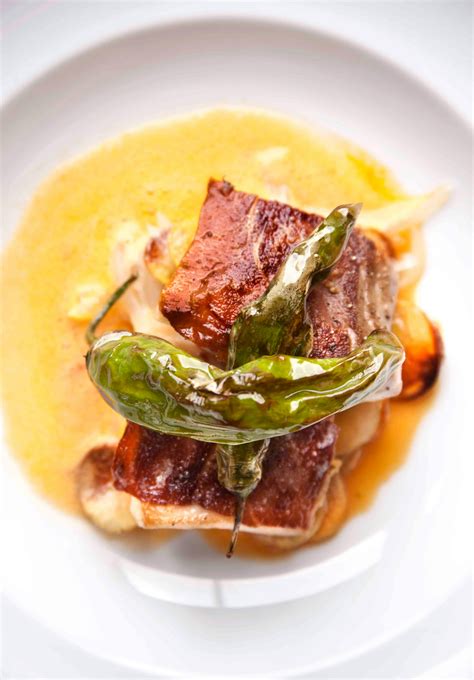
Color is arguably the most immediate visual cue on a plate. A vibrant palette signals freshness and a diversity of ingredients, while contrasting colors can make individual components pop. Chefs strategically use natural pigments from vegetables, fruits, and sauces to create visual excitement. For instance, pairing a rich, dark protein with bright green herbs or a vibrant red reduction instantly elevates the dish’s aesthetic. Beyond hue, contrast in value (light vs. dark) also adds depth and dimension, preventing a dish from looking flat or monotonous.
Building Height and Texture for Dynamic Presentation
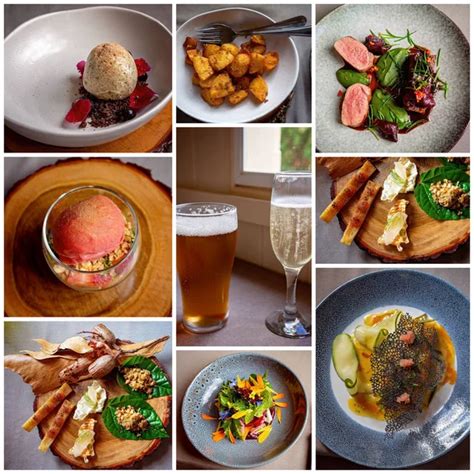
A visually appealing dish is rarely one-dimensional. Building height is a cornerstone of modern plating, adding an architectural quality that makes the food more imposing and exciting. Stacking components like layered vegetables, proteins atop purees, or delicate tuiles creates a sculptural effect. Equally important is the interplay of textures. A dish with varying textures—crispy, creamy, crunchy, smooth—not only delights the palate but also provides visual cues. A garnish of fried shallots or a delicate edible soil can suggest a delightful textural journey before the first bite.
The Power of Negative Space and Thoughtful Garnishing
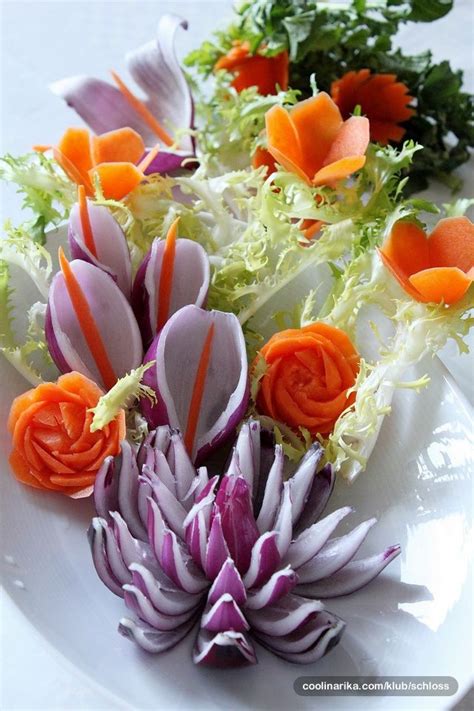
Just as important as what’s on the plate is what isn’t. Negative space, the empty area around and between food elements, allows each component to breathe and prevents the plate from looking cluttered. It highlights the main subjects, giving them room to shine and inviting the eye to focus. Thoughtful garnishing then adds the final flourish. This isn’t about arbitrary decoration; every garnish should have a purpose—adding flavor, aroma, or a complementary texture. Microgreens, edible flowers, intricate herb sprigs, or a drizzle of infused oil can elevate a dish from mere meal to culinary art.
Precision in Sauce Application and Plate Etiquette
Sauces are not merely flavor enhancers; they are artistic mediums on the plate. From a delicate swoosh or a precisely placed dot to a broad, even smear, the application of sauce can significantly impact the visual narrative. Techniques like quenelling (shaping soft mixtures with spoons) or precise piping add sophistication. Furthermore, “plate etiquette” dictates clean edges and an absence of drips or smudges, reflecting professionalism and attention to detail. A beautifully composed dish can be instantly undermined by a stray fingerprint or an uncontrolled spill, which is why meticulous clean-up before serving is non-negotiable.

Ultimately, elevating “visual bites” for foodie appeal is a multi-faceted endeavor that combines artistic principles with culinary precision. By consciously applying techniques such as asymmetry, thoughtful color and texture contrasts, strategic use of height and negative space, and meticulous garnishing and sauce application, chefs transform a meal into an unforgettable sensory experience. These visual cues not only entice the eye but also build anticipation, setting the stage for a truly remarkable gastronomic journey that satisfies both the camera and the connoisseur.