What specific Visual Bite elements boost foodie engagement & drive recipe clicks?
In the crowded digital culinary landscape, a stunning visual bite is often the first, and sometimes only, chance to capture a foodie’s attention. Beyond just looking pretty, certain visual elements are scientifically proven to enhance engagement and significantly drive users to click through to a full recipe. Understanding these specific components can transform casual scrolls into eager cooking sessions.
The Power of the First Impression: Quality & Composition
High-quality photography is non-negotiable. Blurry, poorly lit, or unappealing images are immediately scrolled past. Sharp focus, natural lighting that highlights texture and color, and thoughtful composition are foundational. The ‘rule of thirds’ can guide placement, while negative space allows the hero dish to shine without distraction. A sense of depth, created through foreground and background elements, draws the viewer’s eye into the scene.

Beyond technical quality, the way elements are arranged on the plate and within the frame tells a story. Consider the angle: an overhead shot can be great for a beautifully plated dish, while a low-angle shot might emphasize the layers of a towering cake or burger, creating a more dramatic and mouth-watering effect. Simplicity often reigns supreme; an uncluttered shot keeps the focus squarely on the food.
Color, Contrast, and Vibrancy: Appetizing Aesthetics
Humans are inherently drawn to vibrant colors, especially when it comes to food. Bright, natural hues indicative of fresh ingredients — the deep red of a ripe tomato, the vivid green of herbs, the golden-brown crust of baked goods — trigger a sense of deliciousness and health. Strategic use of complementary colors in plating or background elements can make the food pop, while excessive saturation can make a dish look artificial.

Contrast is equally vital. Dark plates can make light-colored foods stand out, and vice-versa. Textural contrast, like the smooth glaze on a rough pastry or the crispiness of fried chicken against a creamy sauce, adds visual interest and stimulates the imagination of taste. Subtle highlights and shadows can enhance these contrasts, adding depth and making the food look more three-dimensional and inviting.
The Story in a Single Frame: Context & Relatability
A visual bite that tells a story resonates deeply. This can be achieved by including subtle contextual cues: a hand reaching for a piece of toast, steam rising from a hot bowl of soup, scattered flour around a freshly baked pie, or a crumbly forkful ready to be eaten. These elements inject life and relatability into the image, making the viewer imagine themselves enjoying the dish.
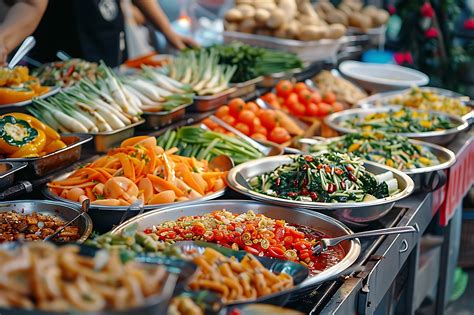
Props, when used sparingly and appropriately, also contribute to the narrative. Rustic wooden boards, elegant cutlery, or a cozy kitchen towel can set a mood and hint at the experience of eating the food. The key is to ensure props enhance, rather than detract from, the main subject. Showing the food in a real-life setting or in the process of being enjoyed makes it more aspirational and desirable.
Action & Appetizing Appeal: Dynamic Visuals
Dynamic elements can significantly increase engagement. Think about a drizzle of honey cascading over pancakes, cheese stretching from a pizza slice, a perfectly gooey egg yolk breaking, or a sprinkle of fresh herbs falling onto a finished dish. These ‘action shots’ capture a moment of irresistible deliciousness and create a sense of immediacy and craving.
Focusing on the ‘money shot’ – the most appetizing part of the dish – is crucial. Whether it’s the glistening glaze, the perfectly seared crust, or the luscious filling, highlighting the most mouth-watering aspect directly taps into the viewer’s desire to taste. These highly appealing visuals act as powerful incentives, making the viewer want to recreate or experience that delicious moment themselves.
Call to Action & Clarity: Guiding the Click
Ultimately, the goal of a visual bite is to drive recipe clicks. While the visual itself is the primary hook, its clarity and implicit call to action are paramount. The food should look so good that the viewer feels an immediate desire to know how to make it. This means ensuring the final presentation is clean, appealing, and leaves no doubt about what the dish is.
Visuals that successfully blend high quality, vibrant colors, compelling storytelling, and dynamic appeal create an irresistible invitation. When a foodie sees a perfectly executed visual bite, the mental leap from ‘that looks good’ to ‘I want to make that’ becomes almost instantaneous, making the click to the recipe page a natural and eagerly anticipated next step.