What specific Visual Bite photography tips elevate food appeal to drive foodie recipe clicks?
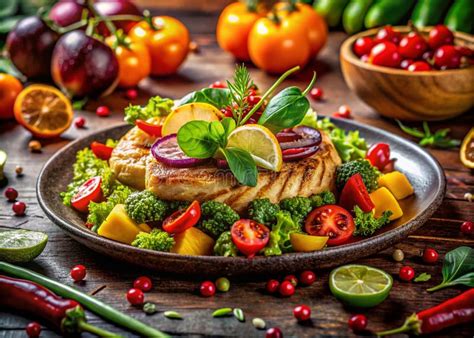
In the digital age, a stunning photograph can be the ultimate gateway to a recipe. Food photography, when executed with intent and precision, goes beyond mere representation; it’s about crafting an experience that tantalizes taste buds and sparks curiosity. For food bloggers, chefs, and content creators, mastering visual bites is paramount to converting casual browsers into eager recipe followers. Let’s delve into the specific techniques that elevate food appeal and drive those coveted clicks.
Harnessing the Power of Natural Light
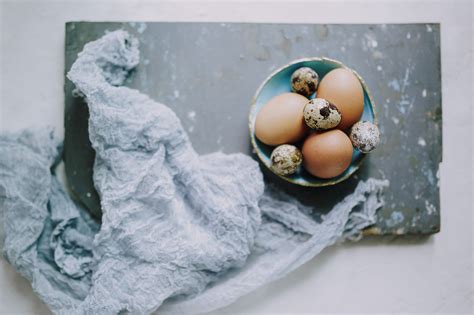
The single most impactful element in food photography is lighting, and natural light is your best friend. Avoid harsh direct sunlight; instead, seek out soft, diffused light, typically found near a window. Position your food to the side or slightly behind the light source to create appealing shadows that add depth and dimension. This technique highlights textures and makes the food look fresh and inviting, rather than flat and unappetizing.
Using a reflector (even a simple white board or foil) on the opposite side can bounce light back onto your subject, softening shadows and brightening key areas without introducing harshness. Experiment with different times of day to understand how light changes and how it impacts the mood and appearance of your dish.
Mastering Composition and Angles
Composition is how you arrange elements within your frame. For food, the most common and effective angles are the overhead (flat lay), the 45-degree angle, and the straight-on shot. The overhead shot is perfect for showcasing an entire meal, a tablescape, or dishes with beautiful patterns. The 45-degree angle mimics how we typically view food at a table, making it relatable and intimate, while the straight-on shot is ideal for emphasizing height, layers, or particular details of a dish like a towering burger or a layered cake.
Consider the rule of thirds, leading lines, and negative space. Place your main subject off-center, use cutlery or ingredients to guide the viewer’s eye, and allow for empty space to give the image breathing room, making the food the undeniable star without feeling cluttered.
Strategic Food Styling and Props
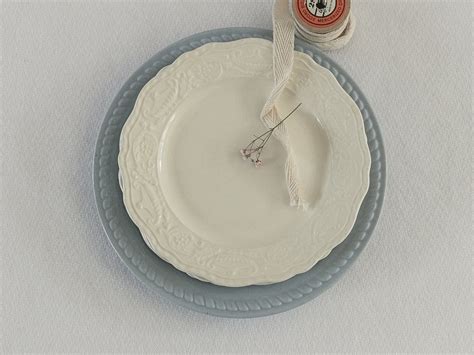
Food styling is an art form that makes dishes camera-ready. It involves thoughtful plating, ensuring ingredients are vibrant and fresh, and paying attention to small details. Use contrasting colors and textures to make the dish pop. A sprinkle of fresh herbs, a drizzle of sauce, or a dusting of powdered sugar can transform a good dish into a great photo.
Props should complement, not compete with, the food. Think about the story you want to tell: a rustic wooden board for a hearty stew, elegant ceramics for a sophisticated dessert, or a linen napkin for a home-cooked meal. Ensure props are relevant to the recipe and enhance the overall aesthetic without overwhelming the viewer.
![[100+] Vibrant Backgrounds | Wallpapers.com](/images/aHR0cHM6Ly90czMubW0uYmluZy5uZXQvdGg/aWQ9T0lQLjlmcGp2ZjhDRURjRWJqSEFvb0NZendIYU5LJnBpZD0xNS4x.webp)
The Art of Post-Processing and Editing
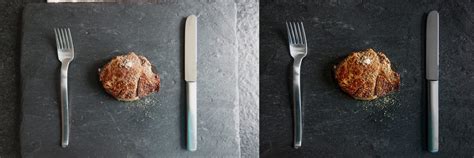
Even the best raw photos benefit from careful editing. Post-processing can enhance colors, adjust exposure, sharpen details, and correct white balance. Tools like Adobe Lightroom or even mobile apps can help you achieve a professional finish. Focus on making the food look as appetizing as possible: boost vibrancy without over-saturating, ensure whites are clean, and sharpen just enough to bring out textures without introducing grain.
Consistency in your editing style also builds brand recognition. If all your food photos share a similar look and feel, your audience will begin to associate that aesthetic with your brand, making your content more recognizable and trustworthy.
Creating a Narrative and Authenticity
Beyond technical skills, the most compelling food photography tells a story. What is the emotion behind the dish? Is it comfort, celebration, health, or simplicity? Incorporate elements that hint at this narrative – a hand reaching for a piece, a crumbly texture suggesting homemade goodness, or steam rising from a warm bowl. Authenticity resonates deeply with audiences; strive to capture the food in a way that feels genuine and relatable.
Ultimately, the goal is to evoke a desire to recreate or taste the dish. By focusing on these specific visual bite photography tips – from leveraging natural light and mastering composition to strategic styling, careful editing, and authentic storytelling – you can dramatically elevate your food appeal and effectively drive those crucial foodie recipe clicks.