What specific Visual Bites technique best highlights a key recipe step or ingredient?
In the vibrant world of culinary content, clarity and appeal are paramount. A well-crafted recipe isn’t just about precise measurements and instructions; it’s about visually guiding the audience through the journey, making complex steps seem simple and hero ingredients shine. Visual Bites, specifically designed photographic and videographic approaches, play a pivotal role in achieving this, transforming a mere list of steps into an enticing and easily digestible narrative.
The Impact of the Extreme Close-Up
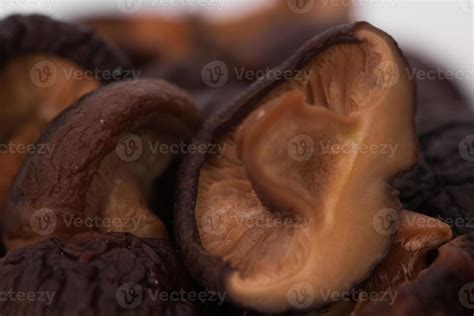
When the goal is to draw absolute attention to a specific ingredient or a minute detail of a preparation step, nothing rivals the extreme close-up. This technique isolates the subject, filling the frame and eliminating distractions. Imagine a perfectly diced onion, the glistening zest of a lemon, or the delicate bubbles forming on a simmering sauce – a tight close-up magnifies its importance, emphasizing its texture, freshness, and role in the final dish. It tells the viewer, “This ingredient matters,” or “Pay attention to this specific technique.”
Harnessing Shallow Depth of Field
Another powerful technique for highlighting is the judicious use of shallow depth of field (DoF). By setting a wide aperture, you can keep your primary subject razor-sharp while rendering the background into a pleasing, soft blur. This instantly directs the viewer’s eye to the key ingredient being measured, the crucial mixing motion, or the perfectly plated component of a dish. It creates a sense of focus and artistic intent, ensuring the visual emphasis is exactly where you want it, preventing visual clutter from detracting from the main point of interest.
Dynamic Action Shots for Process Clarity
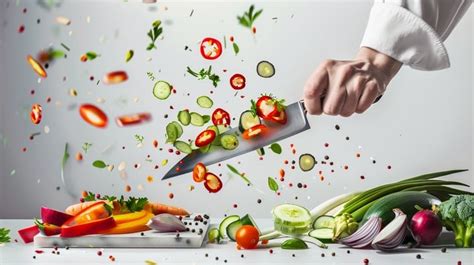
Sometimes, an ingredient’s role isn’t static; it’s about the action performed with it. Capturing a dynamic action shot – like whisking eggs, kneading dough, pouring a sauce, or sprinkling herbs – can vividly illustrate a key recipe step that might be difficult to convey with words alone. These shots add energy and movement, making the process feel more intuitive and achievable. They provide context and demonstrate the proper technique, allowing viewers to grasp the rhythm and effort involved in a particular culinary action.
Strategic Use of Color and Contrast
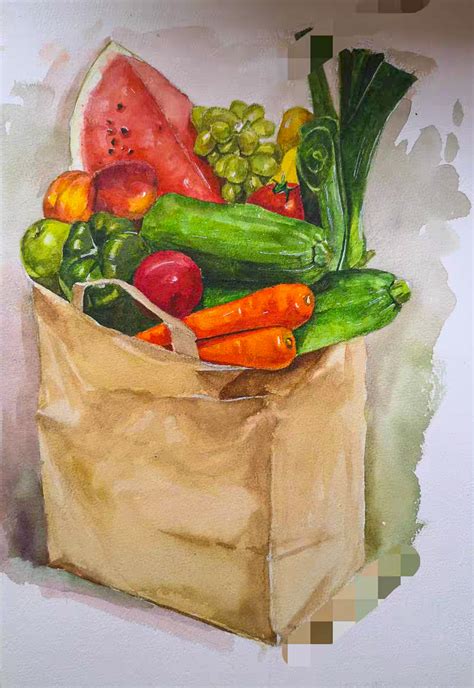
Color is a silent but potent communicator. Utilizing color contrast is an excellent way to make a key ingredient pop against its surroundings. Think of vibrant red tomatoes against a green basil backdrop, or a bright yellow lemon slice on a dark plate. This technique is not just about aesthetics; it’s about visual hierarchy. By strategically placing and lighting ingredients with contrasting colors, you can naturally guide the viewer’s gaze, ensuring that the most important components of your recipe are instantly recognizable and celebrated.
The Power of Before & After or Sequential Imagery
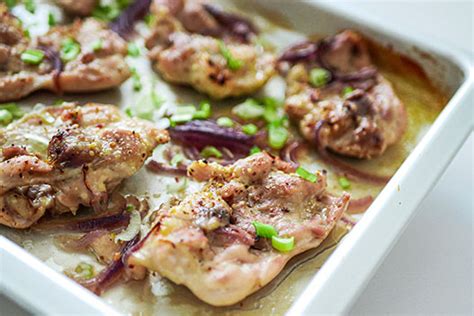
For highlighting a transformative step or a progression, before & after shots or a mini-sequence of images are incredibly effective. This might involve showing an ingredient whole, then chopped; dough before and after rising; or a dish being assembled layer by layer. This technique provides clear visual evidence of change and progress, making complex instructions digestible and demonstrating the impact of each stage. It builds anticipation and showcases the magic of cooking in a tangible, easy-to-follow format.
Ultimately, choosing the right Visual Bites technique depends on what aspect of your recipe you wish to emphasize. Whether it’s the pristine quality of an ingredient, the precision of a step, or the delightful transformation of food, a thoughtful application of these visual strategies can elevate your culinary content, making it more engaging, informative, and irresistible to your audience.