What specific visual cues in a Visual Bite boost foodie recipe clicks?
In the crowded digital culinary landscape, capturing a user’s attention and inspiring a click on a recipe often boils down to a single, compelling ‘Visual Bite.’ This isn’t just about pretty pictures; it’s about strategically deploying visual cues that tap into our primal desires for taste, comfort, and culinary adventure. Understanding these specific elements is crucial for anyone looking to boost engagement and conversions for their foodie content.
The Power of Aesthetically Pleasing Presentation
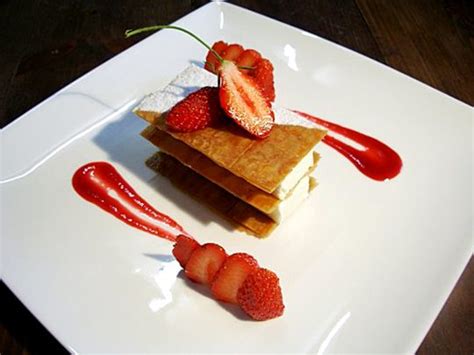
The first and most impactful cue is the overall aesthetic appeal of the dish itself. A recipe image must make the food look not just edible, but irresistible. This involves thoughtful plating, where ingredients are arranged to create visual harmony and highlight key textures. A rustic, comforting dish might benefit from a less ‘perfect’ arrangement, while a gourmet meal demands precision. The goal is to convey the deliciousness before a single word is read.
Beyond the food, the background and props play a silent but significant role. Subtle, relevant props—a vintage fork, a sprig of fresh herb, a rustic linen napkin—can add context and elevate the perceived quality of the dish without distracting from it. These elements help tell a story, hinting at the culinary experience awaiting the viewer.
Mastering Lighting and Composition
Lighting is perhaps the most critical technical aspect of a powerful Visual Bite. Natural light, especially soft, diffused light, is universally preferred for food photography as it highlights textures and colors authentically. Harsh shadows or overexposed areas can make food appear unappetizing. Side or backlighting often works best to create depth and dimension, making ingredients pop and sauces glisten.
Composition, the arrangement of elements within the frame, guides the viewer’s eye. The rule of thirds is a classic principle that helps create balanced and engaging images. Leading lines, symmetry, and negative space can also be used effectively to draw focus to the star of the show: the food. A tight crop might emphasize a mouth-watering texture, while a wider shot could showcase a complete tablescape, inviting the viewer into a dining experience.
Color Vibrancy and Texture Emphasis
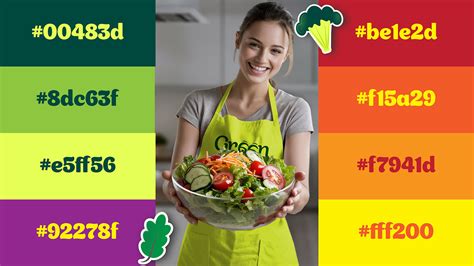
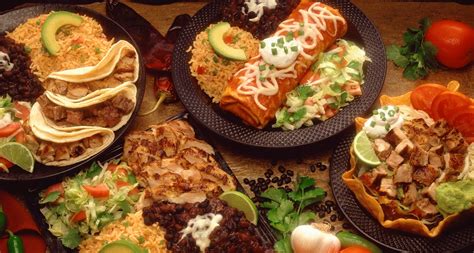
Humans are inherently drawn to vibrant colors, especially when it comes to food. A Visual Bite that showcases a rich spectrum of natural food colors—the deep red of tomatoes, the bright green of herbs, the golden-brown crispness of baked goods—immediately signals freshness and flavor. Strategic use of complementary colors can make a dish visually exciting and dynamic.
Equally important is the emphasis on texture. Visual cues that highlight the crunch of a crust, the creamy smoothness of a sauce, the flaky layers of a pastry, or the succulence of a perfectly cooked protein are incredibly effective. A slight blur in the background can enhance the sharpness of the food, making its textures even more palpable. These visual hints translate into an imagined sensory experience, making the viewer almost taste the dish.
The Allure of Action and Freshness
Sometimes, a static image isn’t enough. Incorporating a subtle element of action or freshness can dramatically increase a Visual Bite’s appeal. This could be a sprinkle of herbs, a drizzle of sauce, steam rising from a hot dish, or a hand reaching in to serve a portion. These dynamic elements imply movement and immediate gratification, suggesting the food is ready to be enjoyed right now.
Freshness is another powerful, albeit subtle, cue. Ingredients that look farm-fresh, vibrant, and untouched by excessive processing suggest health and quality. This is often conveyed through the clarity of the ingredients, minimal wilting, and natural presentation. Even a single, perfectly ripe berry or a dew-kissed vegetable can convey an entire narrative of freshness and natural goodness.
Emotional Connection and Accessibility
Ultimately, the most effective Visual Bites evoke an emotional response. A cozy bowl of soup on a cold day, a celebratory cake, or a simple, nourishing meal can all tap into feelings of comfort, joy, or well-being. The visual cues—warm tones, inviting setups, or even a hint of a human element (like hands holding a mug)—can foster this connection, making the viewer not just want the food, but the feeling associated with it.
Lastly, accessibility plays a role. While aspirational images are great, visuals that make a recipe seem achievable for the average home cook can boost clicks. This doesn’t mean compromising on quality, but rather presenting the food in a way that feels attainable, perhaps by showing relatable ingredients or simple, elegant plating rather than overly complex arrangements. When viewers see themselves making and enjoying the dish, the click becomes almost inevitable.

Conclusion
Driving clicks to foodie recipes through Visual Bites is a nuanced art that combines technical skill with psychological understanding. By focusing on aesthetically pleasing presentation, mastering lighting and composition, emphasizing color and texture, incorporating elements of action and freshness, and fostering emotional connection and accessibility, creators can craft visuals that not only catch the eye but compel the finger to click, leading users directly to delicious culinary adventures.