What techniques ensure my cooked vegetables retain vibrant color?

The Science Behind Vibrant Vegetable Colors
The allure of a beautifully cooked dish often begins with its visual appeal, and nothing says fresh like vibrant, colorful vegetables. But why do some vegetables lose their brilliant hues during cooking, turning dull or brownish? The answer lies in the pigments they contain—chlorophyll for greens, carotenoids for yellows/oranges, and anthocyanins for reds/purples—and how heat affects them. Understanding these changes is key to mastering color retention in your culinary creations.
Blanching and Shocking: The Golden Rule
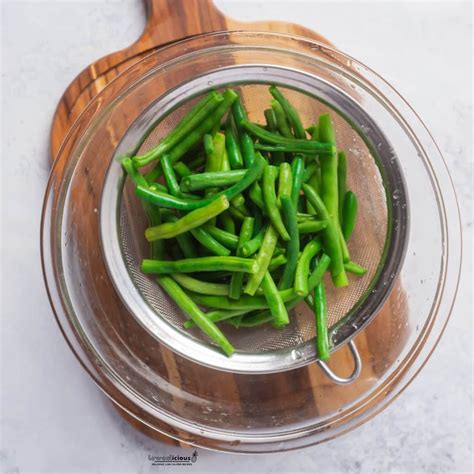
For many green vegetables like broccoli, green beans, or asparagus, blanching followed by an ice bath is the most effective technique for locking in color. Blanching involves quickly submerging vegetables in boiling salted water for a short period (usually 30 seconds to 2 minutes), then immediately transferring them to an ice bath to halt the cooking process.
Why it Works:
- Deactivates Enzymes: Heat deactivates enzymes (like chlorophyllase) that cause chlorophyll to break down and turn vegetables dull olive green.
- Sets Color: The rapid cooking brightens the color by bringing air to the surface and intensifying the pigment.
- Preserves Texture: The ice bath stops cooking, preventing overcooked, mushy vegetables while maintaining a crisp texture.
Mindful Cooking Times: Avoid Overcooking
One of the quickest ways to dull your vegetables’ colors is overcooking. Prolonged heat exposure breaks down cell walls and pigments, leading to faded colors and mushy textures. Aim for al dente, where vegetables are tender-crisp. This means paying close attention and removing them from heat as soon as they reach the desired doneness.
Root vegetables like carrots and beets, rich in carotenoids and anthocyanins, can withstand slightly longer cooking times than delicate greens, but even they benefit from not being overcooked to preserve their natural brightness.
Acids and Alkalines: A Delicate Balance
The pH level of your cooking environment significantly impacts vegetable pigments.
- Acids (Lemon Juice, Vinegar): Adding a touch of acid (like a squeeze of lemon juice or a splash of vinegar) towards the end of cooking can brighten the reds and purples in vegetables like red cabbage or beets. However, for green vegetables, acid can cause chlorophyll to degrade, turning them brownish-green. So, add acid to greens after they are cooked, if at all.
- Alkalines (Baking Soda): A pinch of baking soda in boiling water can intensify green vegetables’ color by making the water alkaline. However, use this technique with extreme caution. Too much baking soda can turn vegetables unpleasantly mushy, destroy vitamins, and impart a soapy taste. It’s generally not recommended for home cooking unless you’re very experienced.
Cooking Methods Matter
The cooking method you choose plays a crucial role in color retention.
- Steaming: Steaming is an excellent method for many vegetables, especially greens, as it cooks them gently with minimal water contact, preserving both color and nutrients.
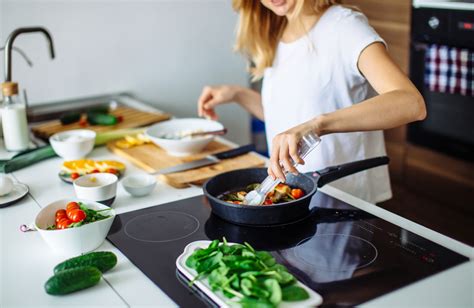
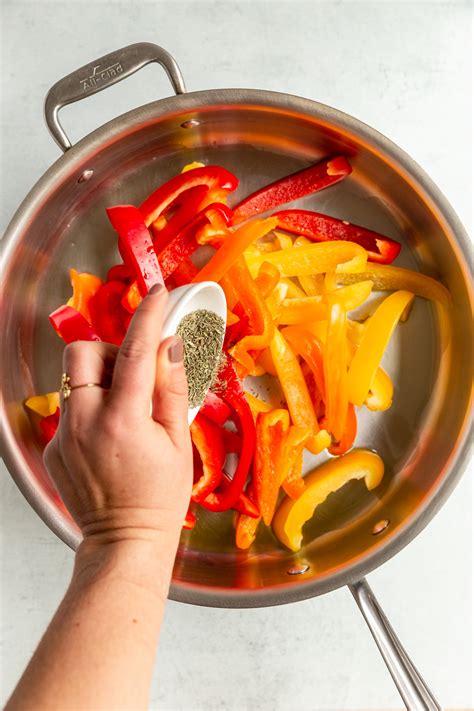
- Sautéing: Quick sautéing over high heat with a small amount of fat can create beautifully vibrant vegetables, particularly bell peppers, onions, and snap peas. The intense, short burst of heat caramelizes natural sugars and locks in color.
- Roasting: High-heat roasting can bring out incredible colors and flavors in vegetables like Brussels sprouts, carrots, and sweet potatoes, as long as they aren’t overcrowded in the pan, which can lead to steaming instead of roasting.
- Boiling: While necessary for blanching, prolonged boiling is generally the least desirable method for color retention, as water leaches out pigments and nutrients.
Proper Preparation for Maximum Impact
Beyond cooking techniques, how you prepare your vegetables also contributes to their final appearance:
- Uniform Cuts: Cut vegetables into similar-sized pieces to ensure even cooking, preventing some pieces from overcooking while others remain undercooked.
- Cook Immediately: Don’t let cut vegetables sit exposed to air for too long before cooking, especially those prone to oxidation (like potatoes or apples, though less critical for color retention in this context for most vibrant vegetables). Cook them fresh for best results.
- Don’t Crowd the Pan: Whether sautéing or roasting, give your vegetables space. Crowding a pan lowers the temperature and causes vegetables to steam rather than sear or roast, leading to duller colors and softer textures.
Bringing It All Together for Stunning Dishes
Achieving consistently vibrant vegetables in your cooking is a blend of scientific understanding and practical application. By mastering techniques like blanching and shocking, being mindful of cooking times and pH, choosing appropriate cooking methods, and preparing your produce with care, you can elevate your dishes from merely edible to truly spectacular, delighting both the eyes and the palate. Experiment with these tips, and watch your vegetable creations burst with life and color!