What Visual Bite composition tips guarantee foodies stop scrolling and click for recipes?
In the digital age, where culinary content saturates feeds, merely good food photos are no longer enough to stand out. Foodies scroll past countless delectable dishes every day. To truly capture their attention and prompt that coveted click for a recipe, your “visual bite” needs to be meticulously composed, telling a story and igniting cravings instantly. It’s about transforming a simple image into an irresistible invitation.
The Power of First Impressions: Why Composition Matters
A “visual bite” is more than just a picture of food; it’s a strategically crafted image designed to stop the scroll, evoke emotion, and drive engagement. Its primary goal is to make the viewer feel like they can almost taste, smell, or experience the dish, compelling them to learn how to recreate it themselves. This isn’t just about lighting or plating; it’s fundamentally about how you arrange every element within your frame.
Mastering the Frame: Fundamental Composition Rules
Great composition is the backbone of any scroll-stopping food photo. Start with the basics:
- Rule of Thirds: Imagine your frame divided into nine equal sections by two equally spaced horizontal and two equally spaced vertical lines. Place your main subject or points of interest along these lines or at their intersections. This creates visual balance and tension, making the image more dynamic and appealing than simply centering the subject.
- Leading Lines: Utilize elements like cutlery, table edges, or even the arrangement of ingredients to draw the viewer’s eye towards your main subject. These lines create depth and direct attention, guiding the viewer through your culinary story.
- Negative Space: Don’t be afraid of empty areas. Negative space around your subject allows it to breathe and stand out, preventing the image from looking cluttered. It emphasizes your hero dish and creates a sense of elegance and focus.
Enhancing Depth and Focus
Beyond the frame, how you manipulate depth and perspective can significantly impact a photo’s allure:
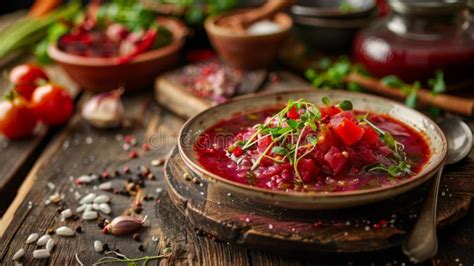
- Depth of Field (DoF): A shallow depth of field, where your subject is sharp and the background is softly blurred (bokeh), is a classic technique in food photography. It isolates your dish, making it pop and creating an intimate, focused view that draws the viewer in.
- Angles and Perspective: Experiment with various angles. An overhead (flat lay) shot works wonderfully for showcasing ingredients or a full table spread. A 45-degree angle is versatile, mimicking how one might view food at a table. Eye-level shots are perfect for tall dishes or to convey a sense of realism. Each angle tells a different story.
Color, Texture, and Plating Perfection
The visual appeal of food is intrinsically linked to its inherent characteristics:
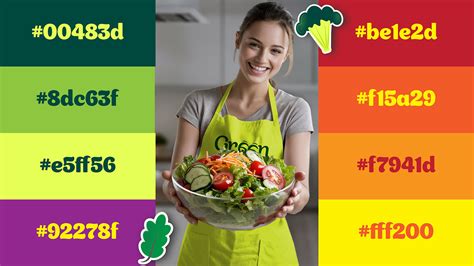
- Color Contrast: Use contrasting colors (e.g., vibrant green herbs on a rich red tomato sauce) to make your food visually exciting. Complementary colors can enhance harmony, while a pop of contrasting color can draw immediate attention to a specific element.
- Texture: Highlight the textures that make food appetizing – the crispiness of fried chicken, the gooeyness of melted cheese, the glistening of a sauce. Good lighting and sharp focus are key to bringing these textures to life.
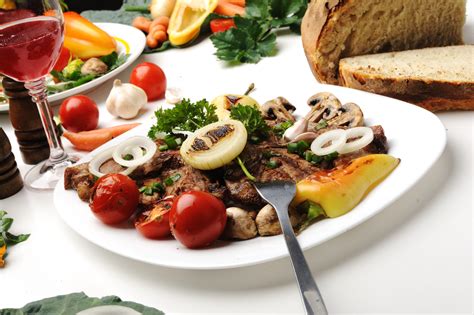
- Plating & Props: Your dish is the star, but its supporting cast—the plate, cutlery, napkins, and background elements—must complement without distracting. Choose props that align with the dish’s aesthetic and story. Arrange food intentionally, creating height, layers, and visual pathways.
The Art of Lighting: Illuminating Your Dish
Lighting can make or break a food photo. Natural, diffused light is almost always preferred. Position your setup near a window, but avoid direct sunlight which can create harsh shadows and blown-out highlights.
- Side Lighting: Often ideal, it creates gentle shadows that add depth and dimension to your food, highlighting its form and texture.
- Backlighting: Can create a beautiful halo effect, particularly for drinks, frosted items, or dishes with steam, adding a dreamy quality.
- Soft Diffusion: Use sheer curtains or a diffuser panel to soften harsh light, ensuring even illumination and reducing glare.
Storytelling Through Visuals
A truly captivating visual bite often tells a micro-story:
- Adding a Human Element: A hand reaching for a piece of bread, a sprinkle of garnish, or a pour of sauce can add a dynamic, relatable, and inviting element, making the food feel more approachable and desirable.
- Action Shots: Capture moments of preparation or enjoyment – a knife slicing through a cake, cheese stretching, or steam rising. These dynamic shots convey freshness and deliciousness.
- Contextual Props: Include ingredients used in the recipe, or props that suggest the time of day or occasion, enriching the narrative around your dish.
Post-Processing for Polish
Even with excellent composition, a touch of post-processing can elevate your visual bites. Adjust brightness, contrast, white balance, and saturation to make colors pop and details sing. However, always aim for authenticity; the goal is to enhance, not distort, the natural beauty of the food.
Conclusion
Transforming a casual scroll into a click for a recipe is an art form rooted in thoughtful visual composition. By meticulously applying principles like the rule of thirds, leveraging depth of field, mastering lighting, and telling a compelling story through your lens, you can create food photos that not only look delicious but also ignite an irresistible urge to recreate them. Practice these tips, refine your eye, and watch as your visual bites become powerful magnets, drawing food enthusiasts directly to your recipes.