What Visual Bite CTA best converts foodie views into recipe page visits?
The Art of Converting Foodie Fascination into Action
In the vibrant world of digital food content, visual bites — captivating images and short videos of delicious dishes — are the currency of engagement. Foodies scroll, save, and share these mouth-watering snippets with an insatiable appetite. However, the ultimate goal for many content creators and brands isn’t just passive appreciation; it’s to guide that engaged audience to a specific recipe page. The challenge lies in crafting a Call-to-Action (CTA) that seamlessly bridges the gap between visual delight and a click-through to discovery. What kind of visual bite CTA truly makes a foodie eager to dive deeper?
Converting a momentary glance into a deliberate click requires more than just a pretty picture. It demands a strategic understanding of audience psychology, visual cues, and compelling language. We’ll explore the elements that make a CTA irresistible to the foodie audience, from direct command to benefit-driven persuasion, ensuring your delectable content leads to deeper engagement and conversions.

Understanding the Foodie’s Motivation
Before designing the perfect CTA, it’s crucial to understand what drives a foodie. They’re often seeking inspiration for their next meal, practical instructions for replicating a dish, or simply an escape into culinary aesthetics. Their motivations can be broadly categorized as:
- Aspiration: The desire to create something beautiful or complex.
- Practicality: The need for a quick, easy, or budget-friendly recipe.
- Curiosity: Wanting to know the ingredients, techniques, or “secret” behind a dish.
- Connection: Sharing a common love for food with a community.
An effective CTA taps into these underlying desires, promising a fulfilling outcome rather than just a click.
Key Elements of an Effective Visual Bite CTA
Clarity and Conciseness
The best CTAs are unambiguous. Foodies are often scrolling quickly, so your message needs to be understood instantly. Phrases like “Get the Recipe,” “View Full Recipe,” or “Print Recipe Here” leave no room for doubt about what happens next. Avoid jargon or overly clever phrasing that might require extra thought.
Visual Appeal and Placement
The CTA itself, whether text overlay or button, must be visually integrated without clashing with the food imagery. It should stand out enough to be noticed but not overshadow the deliciousness. Placement matters: typically, at the bottom of a video, overlaid on an image, or directly below a short visual snippet.

Benefit-Driven Language
Instead of merely telling users what to do, tell them what they’ll gain. “Cook This Tonight,” “Master This Dish,” “Your Next Dinner Idea” resonate more deeply than generic commands. Highlight the direct value proposition.
Urgency or Exclusivity (Used Sparingly)
While less common for evergreen recipe content, for limited-time offers or challenges, phrases like “Limited Time Recipe” or “Join the Challenge Now” can create a sense of urgency. For general recipes, the benefit itself should be compelling enough.
Top-Performing CTA Styles for Food Content
Based on observed user behavior and A/B testing in the culinary niche, certain CTA styles consistently outperform others:
- Direct & Action-Oriented: Simple, clear, and highly effective.
- “Get the Recipe”
- “View Full Recipe”
- “See How It’s Made”
- Benefit-Oriented: Emphasizes what the user will achieve.
- “Cook This Tonight”
- “Master This Dish”
- “Your Next Meal Awaits”
- Curiosity-Driven: Piques interest without giving everything away.
- “Uncover the Secret”
- “Learn the Technique”
- “What’s the Missing Ingredient?”
The choice often depends on the content’s nature. A quick, easy weeknight meal might benefit from “Cook This Tonight,” while a complex baking tutorial might use “Master This Dish” or “Learn the Technique.”
Optimizing the Visual Aspect of the Visual Bite
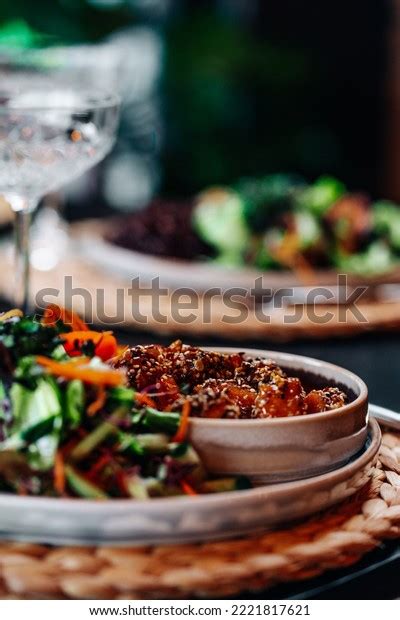
The CTA text is only half the story. The visual bite itself is paramount. High-quality, mouth-watering food photography or a concise, engaging video snippet is the primary hook. The visual should:
- Showcase the Finished Dish: Make it look irresistible.
- Hint at the Process: A quick shot of a key technique can build curiosity.
- Be High-Resolution and Well-Lit: Professional presentation builds trust.
- Maintain Brand Consistency: Visuals should align with your overall aesthetic.
A poorly shot visual bite, no matter how clever the CTA, will struggle to convert.
The Power of A/B Testing and Analytics
Identifying the absolute “best” CTA isn’t a one-size-fits-all answer; it’s an ongoing process of testing and refinement. A/B test different CTA phrases, button colors, placements, and even the accompanying visual bite. Monitor key metrics such as click-through rate (CTR), bounce rate on the recipe page, and time spent on page. These insights will provide data-driven answers specific to your audience and content style.

Conclusion
Converting foodie views into recipe page visits hinges on a strategic blend of compelling visuals and an intelligently crafted Call-to-Action. While direct and benefit-oriented CTAs like “Get the Recipe” or “Cook This Tonight” often perform strongly, the ultimate success lies in understanding your specific audience’s motivations, presenting a visually irresistible “bite,” and continuously testing to refine your approach. By focusing on clarity, value, and seamless integration, you can transform passive scrolling into active culinary exploration.