What Visual Bite elements are essential to compel foodies to click for the full recipe?

The Irresistible Pull of a Perfect Visual Bite
In the crowded digital culinary landscape, a mere scroll often determines whether a recipe gets ignored or explored. For foodies, the decision to click for a full recipe hinges almost entirely on the initial visual encounter – the ‘visual bite’. This tiny, often fleeting image or short video is your ultimate salesperson, needing to pack a powerful, compelling punch. But what specific visual elements are non-negotiable to transform a casual glance into an eager click?
1. Quality Photography: Sharpness, Lighting, and Composition
Crystal Clear Focus and Depth
Blurry, poorly lit, or out-of-focus images are the death knell for any visual bite. Foodies want to see texture, sheen, and detail. High-resolution images with a sharp focus on the main subject (the dish itself) are paramount. Strategic use of shallow depth of field can highlight your hero dish while artfully blurring distracting backgrounds, creating a professional, magazine-quality feel.
Mastering Natural Light
Natural light is a food photographer’s best friend. It lends an authentic, inviting glow that artificial flash often struggles to replicate. Position your food near a window, utilizing diffused light to avoid harsh shadows and glare. Soft, even lighting enhances colors and makes the food look fresh and appetizing. Avoid direct sunlight which can create harsh contrasts.
Compelling Composition
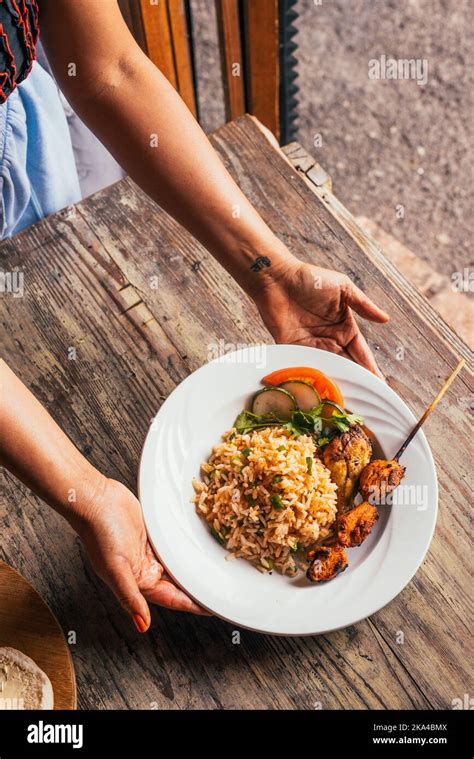
Beyond technical quality, composition guides the viewer’s eye. Employ the rule of thirds, leading lines, or a strong focal point to create visual interest. Overhead shots (flat lays) are popular for showing an array of ingredients or a fully plated meal, while a tighter, angled shot might focus on a specific texture or drizzle.
2. Appetizing Presentation: Food Styling that Sells
The “Hero” Ingredient and Plating
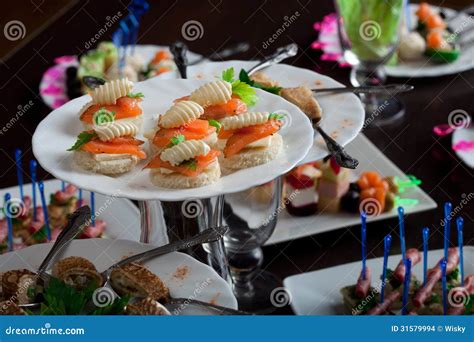
Every dish has a hero ingredient or feature. Emphasize it. Is it the perfectly golden crust of a pie? The vibrant swirl of sauce? The delicate garnish? Meticulous plating is crucial. Arrange food intentionally, allowing individual components to be distinguishable and visually appealing. Think about contrasting colors and textures on the plate itself.
Authenticity and “Eatability”
While styling, avoid making food look so perfect it seems unapproachable or artificial. Foodies are drawn to images that evoke a sense of deliciousness and accessibility. Show steam rising, a slight drip of sauce, a crumb – small details that convey freshness and make the viewer imagine themselves eating it. The goal is to make the food look genuinely tasty and ready to be enjoyed.
3. Evoking Emotion and Story: Beyond Just Food
Setting the Scene with Props and Backgrounds
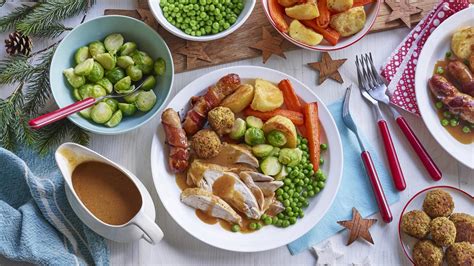
The right props and background can tell a story, provide context, and enhance the mood. Rustic wooden boards suggest home cooking, elegant linens hint at sophistication, and fresh herbs imply health and flavor. Choose props that complement, rather than distract from, the food. Keep backgrounds clean and uncluttered, using textures and colors that harmonize with your dish.
A Sense of Warmth and Invitation
Successful visual bites often go beyond just showcasing food; they invite the viewer into an experience. Warm color palettes, soft focus, and a hint of human interaction (a hand reaching for a fork, a subtly blurred background with people) can create a feeling of coziness, comfort, or celebration, making the recipe feel more relatable and desirable.
4. The Power of Color, Contrast, and Texture
Vibrant, True-to-Life Colors
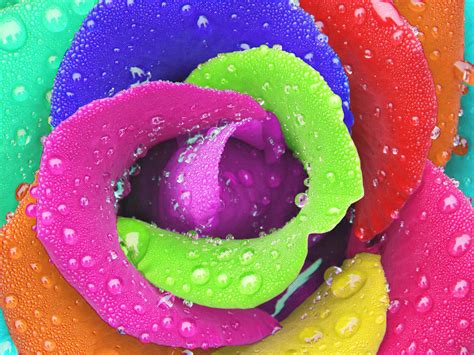
Colors are incredibly influential. Ensure your visual bite displays vibrant, true-to-life colors that pop without looking oversaturated or artificial. Green herbs should look fresh, red berries ripe, and golden crusts perfectly baked. Color contrast between ingredients and plating can also make a dish more visually dynamic.
Showcasing Tempting Textures
Texture communicates crucial information about a dish: crispy, creamy, flaky, moist, tender. Use lighting and angles to highlight these textures. A close-up of a bubbling cheese sauce, the flaky layers of a pastry, or the glistening surface of a glazed dessert can be incredibly enticing, triggering cravings and curiosity.

Conclusion: The Art of the Irresistible Click
Compelling foodies to click for the full recipe is an art form rooted in understanding visual psychology. It’s about more than just taking a picture; it’s about crafting an experience. By prioritizing high-quality, well-lit photography, thoughtful food styling, emotional storytelling, and showcasing vibrant colors and textures, you can transform a simple image into an irresistible invitation. Each visual element works in concert to whisper promises of deliciousness, making the full recipe not just an option, but a necessity for the eager foodie.