What visual bite elements boost foodie engagement & recipe saves most effectively?
The Irresistible Power of Visuals in Food Content
In the bustling digital landscape of culinary creations, it’s not enough to simply have a delicious recipe; you need visuals that stop the scroll and ignite desire. Food content creators, bloggers, and brands are constantly seeking the magic formula to transform passive viewers into engaged foodies who not only like and comment but actively save recipes for later. The secret lies in understanding which specific visual elements resonate most deeply with an audience, moving beyond just ‘pretty pictures’ to truly effective engagement drivers.
Mastering Light and Composition for Maximum Impact
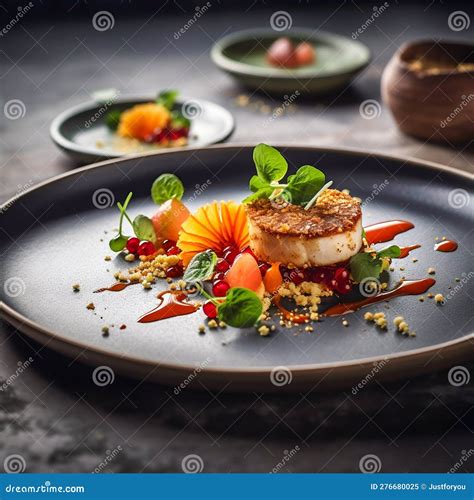
At the heart of any compelling food visual is impeccable lighting and thoughtful composition. Natural light, soft and diffused, is almost always king. It highlights textures, colors, and nuances that artificial or harsh lighting can obscure. Food that looks naturally appetizing under good light immediately feels more authentic and appealing. Coupled with this is composition, which guides the viewer’s eye. The rule of thirds, leading lines, and negative space aren’t just academic terms; they are tools to create a balanced, aesthetically pleasing shot that makes the food the undisputed star.
Beyond basic composition, think about the ‘hero shot’ – the angle and framing that best showcases the dish’s most appealing features. Is it a towering burger best shot from a low angle, or a glistening tart demanding an overhead view? Understanding your dish’s best angles is crucial for conveying its deliciousness.
The Allure of Texture, Action, and the Human Element
Engagement skyrockets when visuals go beyond static perfection. Texture is a powerful, often overlooked, element. Show the crispness of a crust, the gooeyness of melted cheese, or the vibrant grains of a fresh salad. These tactile cues evoke a sensory experience that makes viewers almost taste the food through their screens. Action shots — a sprinkle of garnish, a knife slicing through a perfectly cooked steak, a drizzle of sauce — inject dynamism and tell a story, making the food feel alive and inviting.

Incorporating the human element, such as hands holding a plate, pouring an ingredient, or even a subtle glimpse of a person enjoying the meal, adds relatability and warmth. It transforms the food from an object into an experience, allowing viewers to envision themselves preparing or savoring the dish, thus fostering a stronger connection and encouraging interaction.
Driving Recipe Saves with Clarity and Enticement
While engagement is great, driving recipe saves requires a slightly different focus. The ultimate goal here is to present the final dish in such an appealing way that the viewer immediately thinks, “I need to make this!” This means prioritizing clarity and aspirational appeal in your final product shots.
- Show the ‘Perfect Outcome’: Present a beautifully plated, well-garnished dish that looks achievable and utterly desirable. This final visual needs to be pristine and showcase the best possible outcome of following the recipe.
- Vibrant & True Colors: Ensure colors are vibrant and accurate. Food that looks unappetizingly dull or strangely colored won’t inspire saves.
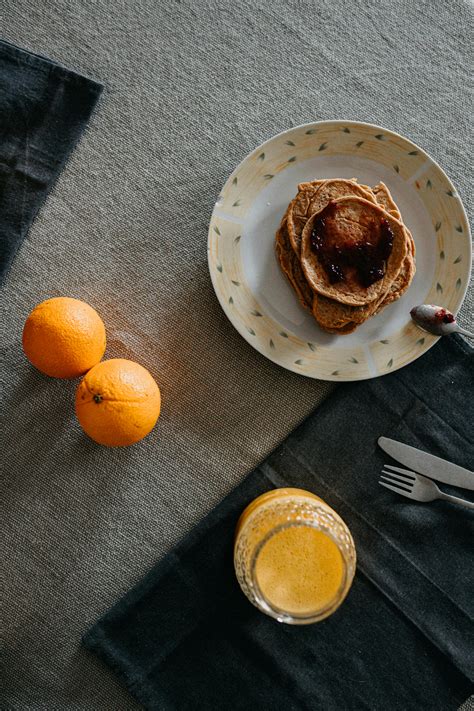
- Contextual Props: Thoughtfully chosen props like fresh ingredients used in the recipe, a stylish napkin, or a relevant utensil can subtly enhance the visual story without distracting from the main dish. They provide context and completeness, signaling to the viewer that this is a complete, well-thought-out culinary experience.
The Role of Short-Form Video and Motion
In today’s fast-paced digital environment, short-form video content has become an undeniable powerhouse for engagement and saves. A quick, well-edited video showing the recipe’s key steps, the satisfying sizzle of food cooking, or a slow-motion pour can be incredibly effective. Video allows you to combine many of the elements discussed above – action, texture, the human element – into a concise, captivating package that static images alone cannot replicate. Demonstrating the ease or the satisfying process of a recipe visually often directly translates to more saves.
Conclusion: Crafting Visual Stories That Convert
Ultimately, boosting foodie engagement and recipe saves boils down to telling a compelling visual story. It’s about combining technical prowess in lighting and composition with creative elements like texture, action, and human interaction. By understanding what truly captivates an audience – from a perfectly lit close-up to a dynamic video of the cooking process – food content creators can craft visuals that not only look delicious but also inspire action, turning passive observers into active participants in the culinary journey.