What visual bite elements compel foodies to click through to full recipes?

The Irresistible Allure of Food Photography
In the digital age, where social media feeds are flooded with culinary creations, capturing a foodie’s attention is both an art and a science. For recipe creators and food bloggers, the initial visual impression—often called a ‘visual bite’—is paramount. It’s the split-second decision point that determines whether a scroll continues or a click leads to a deeper dive into a recipe. But what exactly are these visual elements that possess such compelling power?

Composition and Perspective: Framing the Feast
The way a dish is framed can drastically alter its appeal. Overhead shots (flat lays) are popular for showcasing a full spread or ingredients, creating a sense of abundance and order. Close-ups, on the other hand, invite intimacy, highlighting texture and detail that make a dish seem more tangible and delicious. An angled shot, perhaps at eye-level with the food, can create a dynamic perspective, pulling the viewer directly into the experience. Mastering these perspectives allows a photographer to guide the viewer’s eye and emphasize the dish’s best features.
The Magic of Light and Color
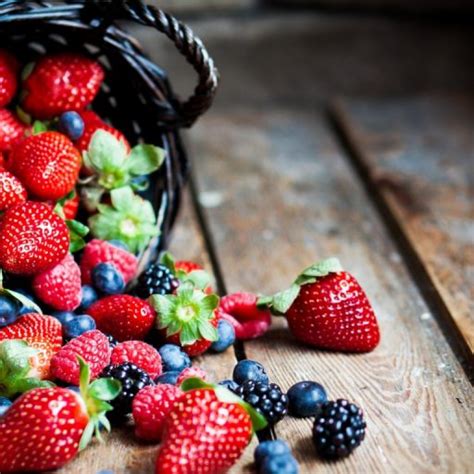
Lighting is arguably the single most critical element in food photography. Natural light, especially diffused sunlight, can make food look fresh, inviting, and authentic. It highlights textures and creates soft shadows that add depth. Dramatic lighting, using chiaroscuro effects, can evoke moodiness and sophistication, often used for indulgent desserts or rich, hearty meals. Complementing this is the strategic use of color. Vibrant, contrasting colors—like a bright red strawberry against a creamy white dessert, or fresh green herbs on a golden-brown roast—can instantly make a dish more appetizing and visually exciting. Color evokes emotion and signals freshness, flavor, and quality.
Texture and Detail: A Sensory Invitation
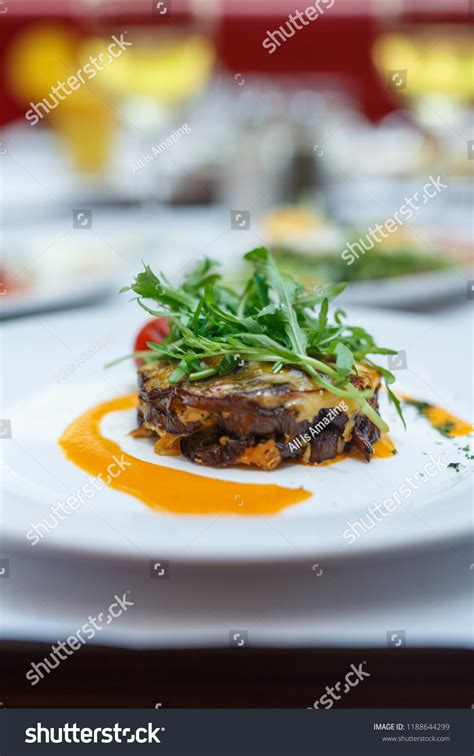
Food that looks good often feels good to eat, and visual texture plays a huge role in conveying this. Glistening sauces, crispy edges, flaky crusts, tender interiors, and delicate garnishes all contribute to a sensory experience even before the first bite. Highlighting these details through sharp focus and careful styling makes the food appear more real and desirable. A close-up of melted cheese stretching or a perfectly seared crust can be incredibly compelling, promising a satisfying culinary experience.
Styling and Props: Setting the Scene
Beyond the food itself, the surrounding elements tell a story and enhance the dish’s appeal. Thoughtful prop selection—rustic wooden boards, elegant ceramics, vintage cutlery, or a simple linen napkin—can set the mood and provide context without overshadowing the main subject. Negative space can draw attention to the food, while hands reaching for a piece can suggest immediacy and deliciousness. Garnishes, when used sparingly and appropriately, add a final touch of freshness and artistry, signaling attention to detail and care in preparation.

Evoking Emotion and Storytelling
Ultimately, the most successful visual bites don’t just showcase food; they evoke an emotion or tell a story. Is it comfort food for a cozy evening? A refreshing dish for a hot summer day? An indulgent treat for a celebration? The styling, lighting, and composition all work together to communicate these feelings. When a viewer sees a picture and immediately feels warmth, hunger, or excitement, they are far more likely to click through to discover the recipe behind that feeling.

The Irresistible ‘Click-Through’ Factor
The cumulative effect of these visual elements is the “click-through” factor. A perfectly composed, well-lit image with enticing textures and thoughtful styling creates an irresistible pull. It’s not just about showing the food; it’s about making the viewer imagine tasting it, smelling it, and experiencing the joy of cooking and eating it. By mastering these visual cues, recipe creators can transform casual scrollers into engaged culinary adventurers, eager to recreate the deliciousness they’ve just witnessed.
In conclusion, compelling food photography is a powerful tool for driving engagement. By understanding and strategically applying principles of composition, lighting, color, texture, styling, and emotional storytelling, creators can craft visual bites that are not only beautiful but also highly effective in converting curious viewers into eager recipe explorers.