What Visual Bite elements consistently drive foodie recipe conversions?
The Irresistible Power of Visuals in Recipe Conversion
In the digital age, where attention spans are fleeting and visual content reigns supreme, the success of a recipe often hinges not just on its taste, but on its visual appeal. For foodies, a “Visual Bite” – a captivating image or short video – is often the first, and sometimes the only, point of engagement. But what exactly are the consistent elements within these visual bites that compel someone to not just admire a dish, but to actually click through, save, and eventually prepare the recipe? It boils down to a strategic blend of aesthetics, emotion, and practical information.
High-Quality Photography: The Foundation of Desire
At the core of any compelling visual bite is exceptional photography. This isn’t just about having a fancy camera; it’s about understanding light, composition, and focus. Natural, soft lighting – whether from a window or diffused artificial sources – highlights textures and colors without harsh shadows. A sharp focus on the key elements of the dish makes it pop, while a shallow depth of field can beautifully blur backgrounds, keeping the viewer’s eye on the food. Angles matter too: a top-down shot for bowls, a ¾ angle for stacked dishes, or a close-up to show intricate details can dramatically influence perceived deliciousness.
Strategic Food Styling and Presentation
Beyond the technical aspects of photography, how the food itself is styled is paramount. Viewers eat with their eyes first, and food styling is about making the food look as delectable and achievable as possible. This includes:
- Vibrant Colors: Showcasing fresh ingredients and the natural hues of cooked food.
- Appealing Textures: Crunchy exteriors, creamy interiors, glistening sauces – visual cues that suggest a delightful mouthfeel.
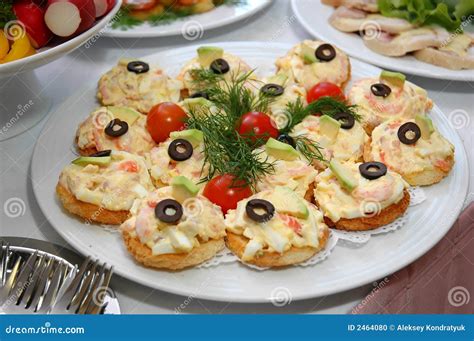
- Thoughtful Plating: Arranging ingredients aesthetically, making the dish look generous yet inviting.
- Garnish: A sprinkle of fresh herbs, a zest, or a dusting of sugar can elevate the presentation significantly.
The goal is to make the dish appear both aspirational and approachable.
Context and Storytelling Through Props and Backgrounds
A bare plate, no matter how well-styled, lacks a certain warmth. Integrating contextual elements through props and backgrounds adds depth and tells a story, making the visual bite more relatable and inspiring. This could involve:
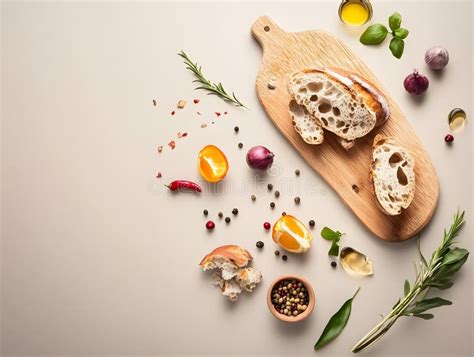
- Relevant Props: Rustic cutlery, a linen napkin, a cutting board, or a small bowl of key ingredients can hint at the preparation process or the dining experience.
- Background Ambience: A wooden table, a simple counter, or even a softly blurred kitchen scene can set the mood.
- Evoking Seasons/Occasions: Props can subtly suggest a cozy winter meal, a vibrant summer picnic, or a festive holiday spread, connecting with the viewer’s emotions.
These elements provide context without distracting from the main subject, helping viewers envision the dish in their own lives.
Authenticity, Relatability, and Implied Action
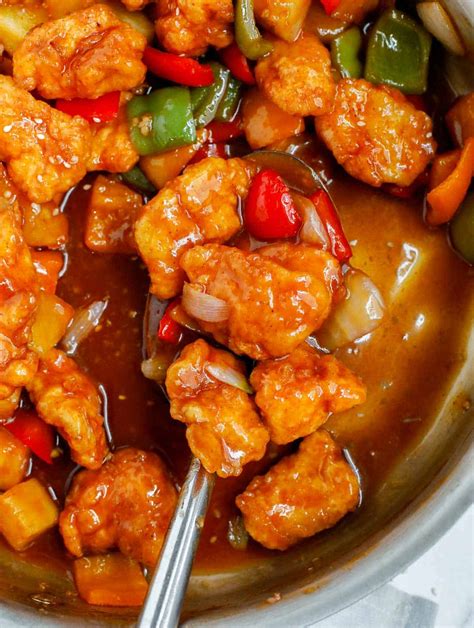
While perfection is often sought, a touch of authenticity can go a long way. Steam rising from a hot dish, a perfectly messy crumb, or a delicious drizzle of sauce can make a dish feel more real and attainable. Moreover, visuals that imply action or taste are incredibly effective:
- The “Money Shot”: A cross-section revealing layers, a forkful being lifted, or a close-up of a bubbling crust can trigger a strong desire.
- Serving Suggestion: Showing the dish in a full setting, ready to be enjoyed, helps viewers imagine themselves eating it.
These subtle cues go beyond mere aesthetics; they tap into the psychological triggers of hunger and desire, directly encouraging conversion.
Call to Action: The Visual Cue to Convert
Ultimately, a successful visual bite doesn’t just look good; it acts as a silent call to action. It makes the viewer think, “I want that,” or “I can make that.” Consistent elements that drive this conversion include:
- Clarity: The dish should be instantly recognizable and appealing.
- Aspiration: It should look delicious enough to want to recreate.
- Simplicity (Visual): While detailed, the overall visual should not feel overwhelmingly complex to make, even if the recipe itself has steps.
By focusing on these elements, content creators can transform passive scrolling into active engagement, consistently driving foodie recipe conversions.

Conclusion
Driving recipe conversions through visual bites is an art and a science. It’s about mastering the technical aspects of photography, understanding the nuances of food styling, leveraging contextual elements for storytelling, and tapping into the psychological triggers that make food irresistible. By consistently integrating high-quality, authentic, and evocative visuals, creators can turn casual browsers into avid home cooks, proving that a picture truly is worth a thousand recipes.