What Visual Bite elements convert quick food-gazing into ‘must-try’ recipe clicks for foodies?

The Irresistible Pull of a Perfect Visual Bite
In the digital age, foodies are constantly scrolling through a feast for the eyes. A mere glimpse is all it takes for a dish to either disappear into the endless feed or seize attention, demanding a closer look. The secret to converting that fleeting ‘food-gazing’ into a ‘must-try’ recipe click lies in understanding the psychology and aesthetics of the ‘Visual Bite’. It’s not just about snapping a picture; it’s about crafting an experience that speaks directly to the senses, even before the first taste.
So, what are these crucial visual elements that possess the power to stop a scroll and initiate a click-through?
Mastering Composition and Angles
The foundation of any compelling food photograph is its composition. How elements are arranged within the frame can dramatically impact its appeal. The ‘rule of thirds’ often guides photographers, placing the subject off-center to create a more dynamic and engaging image. Leading lines, created by cutlery, ingredients, or patterns, can draw the viewer’s eye directly to the star of the dish.
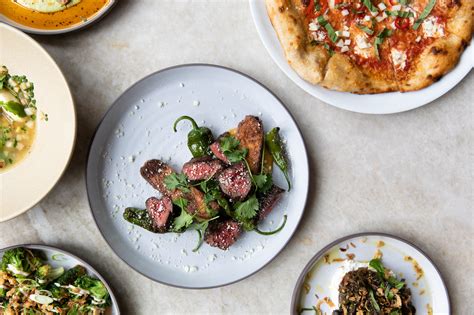
Angles also play a pivotal role. An overhead shot (flat lay) often works wonders for showcasing multiple dishes, ingredients, or a spread, providing a comprehensive view. A straight-on, eye-level shot can make the viewer feel like they’re sitting right at the table, about to dig in. Macro shots, focusing on a specific texture or drizzle, amplify the allure of intricate details.
The Art of Illuminating with Light
Light is perhaps the single most important ingredient in food photography. Natural, soft light, often from a window, is universally preferred for its ability to enhance colors and textures without harsh shadows. Backlighting can create a beautiful glow around the edges of food, highlighting steam or the translucency of certain ingredients, making them appear fresh and appetizing.
Careful use of shadows can add depth and drama, preventing an image from looking flat. The goal is to make the food look vibrant, fresh, and inviting, and the right lighting can achieve this by emphasizing its natural beauty and deliciousness.

Color, Contrast, and Texture Play
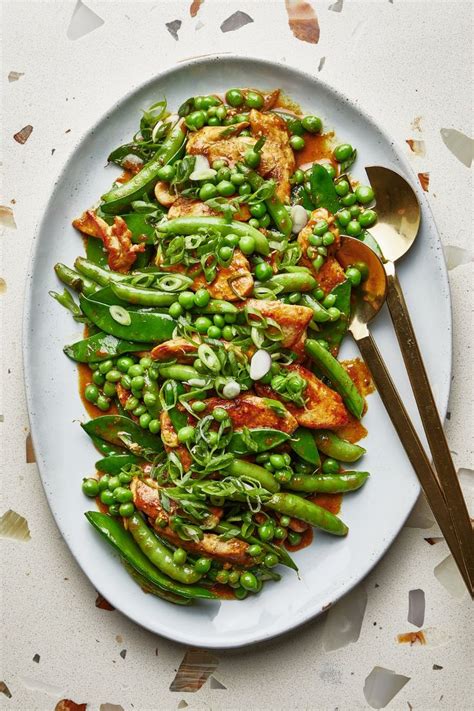
Humans are inherently drawn to vibrant colors. Fresh ingredients with rich, natural hues immediately signal flavor and health. Think of the bright red of a ripe tomato against the green of basil, or the golden crust of a freshly baked pie. Contrast, both in color and brightness, helps elements stand out and adds visual interest.
Equally important is texture. A grainy crust, a creamy sauce, the crispness of a vegetable, or the flakiness of a pastry – these tactile cues communicate directly to our brains, promising a delightful mouthfeel. Close-ups that accentuate these textures can be incredibly powerful in converting a casual viewer into a dedicated follower.
Plating Perfection and Prop Storytelling
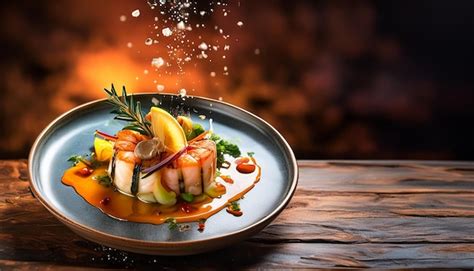
The way food is presented on the plate is critical. A clean, uncluttered plate allows the food to be the undisputed hero. Simple yet elegant plating that shows off the dish’s best features can elevate its perceived value and desirability. Think about how sauces are drizzled, garnishes are placed, or how a single element might pop against a neutral background.
Props, when used sparingly and thoughtfully, can tell a story and add context without distracting from the food. Rustic cutting boards, elegant cutlery, a carefully folded napkin, or a few scattered fresh herbs can set a scene, evoke a mood, and enhance the overall aesthetic, making the recipe feel more attainable or aspirational.
Authenticity and Emotional Connection
While perfection is admirable, authenticity resonates deeply with foodies. Images that feel genuine, perhaps showing a slight imperfection or a rustic charm, can often be more relatable and trustworthy than overly styled, sterile shots. The goal is to evoke an emotional response: hunger, comfort, nostalgia, or excitement.
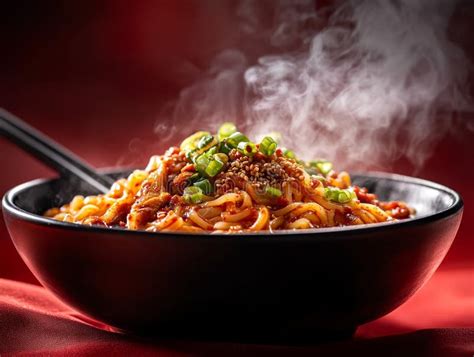
Showing steam rising from a hot dish, a perfectly melted cheese pull, or the glossy sheen of a rich sauce communicates warmth, freshness, and immediate gratification. These are the visual cues that transcend mere aesthetics and tap into the primal desire for good food, making the viewer desperate to click and discover how to recreate that experience.
The Click-Through Catalyst
Ultimately, converting quick food-gazing into ‘must-try’ recipe clicks is about crafting a narrative through imagery. It’s a combination of technical skill and artistic vision, centered on making the food look utterly delicious and accessible. By thoughtfully applying principles of composition, lighting, color, texture, plating, and emotional resonance, food creators can transform passive scrolling into active engagement, guiding eager foodies from a visual bite straight to their next culinary adventure.