What Visual Bite elements effectively prompt real foodies to click through to recipes?

In the vibrant, often overwhelming, digital landscape of food content, ‘Visual Bites’ are the appetizers designed to lure hungry eyes. But what precisely transforms a mere glance into a coveted click-through to a full recipe? For true foodies – those who appreciate culinary craft beyond surface appeal – it’s more than just a pretty picture. It’s a strategic blend of visual cues that signal quality, authenticity, and the promise of a delightful gastronomic journey.
High-Quality Photography: The Non-Negotiable Foundation
At the core of any compelling food visual is impeccable photography. This isn’t just about owning a fancy camera; it’s about mastering light, composition, and focus. Foodies are discerning; they can spot poor lighting, blurry details, or an unappealing angle from a mile away. Crisp, well-lit images that highlight texture, sheen, and the natural colors of the ingredients are paramount. Think about a perfectly caramelized crust, the vibrant green of fresh herbs, or the inviting sizzle captured in a still frame – these details communicate care and expertise.
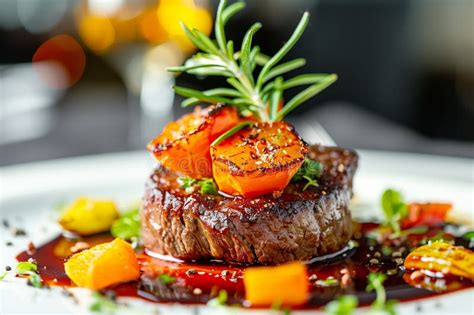
The Art of Plating and Styling: More Than Just Food
Once the technicalities are covered, the presentation takes center stage. Plating isn’t just for Michelin-star restaurants; it’s a vital component of a successful ‘Visual Bite’. How the food is arranged on the plate, the choice of dinnerware, and the subtle use of props (a vintage fork, a linen napkin, a rustic cutting board) all contribute to the narrative. Foodies appreciate visuals that suggest thought and artistry, making the dish appear not just edible, but an experience. Over-the-top styling can feel artificial, so striking a balance between elegance and approachability is key.
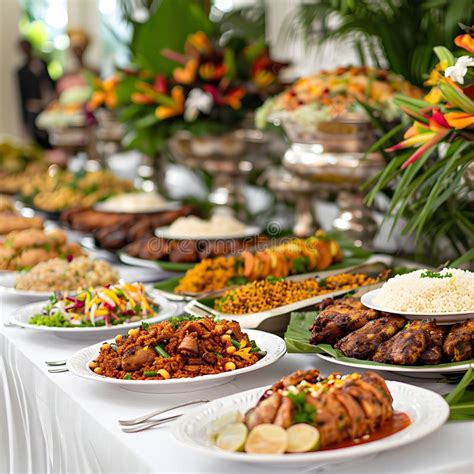
Authenticity and Relatability: Showing, Not Just Telling
While polished visuals are important, an increasing number of foodies gravitate towards authenticity. They want to see food that looks real, achievable, and inviting, not overly photoshopped perfection. A slight crumb, a glistening sauce that looks freshly poured, or a hand reaching for a piece of bread can inject a sense of life and relatability. Show the food in context: perhaps on a kitchen counter mid-preparation, or a family-style serving that evokes warmth and sharing. This human element fosters a connection and makes the recipe feel within reach.

Telling a Story: Evoking Emotion and Anticipation
The most effective ‘Visual Bites’ tell a story or evoke an emotion. It could be the story of how the ingredients come together, the anticipation of that first bite, or the joy of a shared meal. A shot of steam rising from a freshly baked pie, melted cheese stretching from a pizza slice, or the vibrant array of raw ingredients laid out before cooking can all build excitement. These visuals go beyond simply showing the final product; they hint at the journey and the sensory pleasure awaiting the viewer, compelling them to learn more about the process.

Clear Call to Action (Subtle Yet Powerful)
Finally, while not a direct visual element of the food itself, the implicit call to action within a ‘Visual Bite’ is crucial. The visual must be so tantalizing that the natural next step is to crave the recipe. This is achieved through all the elements discussed: high-quality visuals make it trustworthy, beautiful plating makes it desirable, authenticity makes it relatable, and storytelling makes it irresistible. The visual itself becomes the invitation, promising a delicious outcome that is just a click away, making the journey from visual admiration to recipe exploration seamless.
Ultimately, prompting real foodies to click through to recipes involves more than just a fleeting aesthetic appeal. It requires a thoughtful integration of technical photography prowess, artistic presentation, genuine relatability, and a captivating narrative. By focusing on these elements, content creators can transform passive scrolling into active engagement, satisfying the sophisticated palate of today’s culinary enthusiasts.