What Visual Bite format converts foodie views into recipe saves most effectively?

Understanding the Power of Visual Bites in Food Content
In the bustling world of food content, grabbing attention is just the first step. The ultimate goal for many creators is to move beyond passive viewing and inspire action – specifically, getting foodies to save recipes. Visual Bites – concise, engaging pieces of visual content – are the primary tools in this endeavor. But not all formats are created equal when it comes to converting a fleeting view into a coveted recipe save. Understanding the psychology behind a ‘save’ and matching it with the right visual format is crucial for maximizing your impact.

The Contenders: Popular Visual Bite Formats for Foodies
Several visual formats dominate the social media landscape, each with unique strengths and weaknesses when it comes to recipe dissemination and saving:
Short-Form Video: The Engagement Powerhouse
Platforms like Instagram Reels, TikTok, and YouTube Shorts have normalized short-form, dynamic video content. These videos excel at capturing immediate attention, demonstrating techniques, and showcasing the final delicious product. Their high engagement rates make them ideal for discovery. However, the rapid pace can sometimes make it challenging for viewers to absorb all the recipe details needed for a save without rewatching.
![How To Choose And Wear Well Your Short ? [The Ultimate Guide]](/images/aHR0cHM6Ly90czMubW0uYmluZy5uZXQvdGg/aWQ9T0lQLk82MzVnRnJadTA4bVdjV2VfOVpuVndIYUU2JnBpZD0xNS4x.webp)
Carousel Posts: Step-by-Step Storytelling
Carousel posts, prevalent on platforms like Instagram and LinkedIn, allow creators to share multiple images or videos within a single post. This format is inherently sequential, making it a natural fit for recipes. Each slide can dedicate space to ingredients, individual steps, tips, and the final dish, providing comprehensive information without overwhelming the viewer all at once.
Static Images & Graphics: Direct and Concise
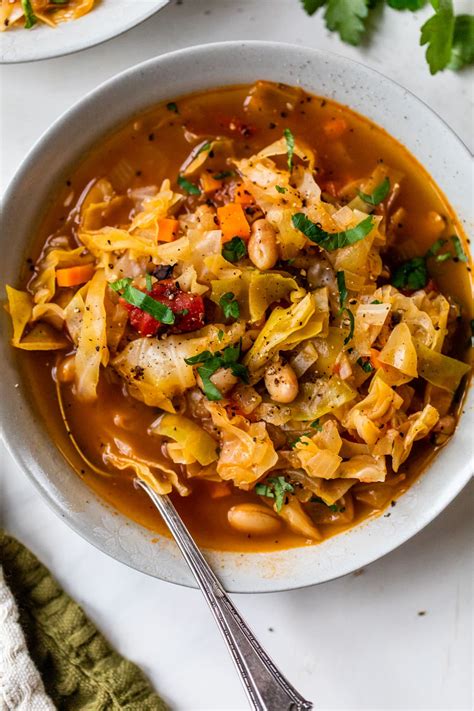
A high-quality static image of a finished dish, sometimes accompanied by text overlays for key ingredients or a simplified recipe card, remains a powerful visual bite. While lacking the dynamism of video or the multi-slide approach of carousels, a striking image combined with clear, concise text can be incredibly effective, especially if the recipe is simple or visually appealing.

What Drives a Recipe Save? Key Factors
For a foodie to hit the ‘save’ button, several factors come into play:
- Clarity and Completeness: Is the recipe easy to understand? Are all necessary ingredients and steps present or easily accessible?
- Visual Appeal: Does the food look delicious and achievable?
- Perceived Ease/Difficulty: Does the recipe seem like something the viewer can realistically make?
- Relevance: Does it align with their dietary preferences, skill level, or current cravings?
- Accessibility of Information: Can they quickly find and retain the key information without excessive effort?
Optimizing Visual Bites for Maximum Saves
While short-form video excels at reach and initial engagement, it often requires a strong, explicit call to action (CTA) and a clear, simple recipe presented quickly to convert saves. Viewers might watch for entertainment but save less if the practical information is buried.
Carousel posts, however, consistently emerge as a top performer for recipe saves. Their multi-slide nature is perfectly suited for breaking down complex information into digestible, sequential chunks. Foodies can swipe through ingredients, step-by-step photos, and even a final plating shot, gathering all the necessary details to feel confident about attempting the recipe later. The act of swiping itself is an engagement, and the structured presentation makes the recipe feel ‘complete’ and ready for future reference.
Static images with clear recipe text also perform well, especially if the recipe is short. They offer a direct, no-fuss approach that busy users appreciate. GIFs and cinemagraphs, while visually captivating, often lack the informational depth required for a practical recipe save.

Conclusion: The Carousel Reigns Supreme (Mostly)
While a blend of formats is ideal for a diverse content strategy, if the primary goal is to convert foodie views into recipe saves, carousel posts typically stand out as the most effective visual bite format. They strike an optimal balance between visual engagement and informational completeness, providing users with all the necessary details in an easily digestible and savable format. Short-form videos are excellent for discovery and inspiration, but content creators should strategically guide viewers to a more detailed, savable version of the recipe, perhaps linking to a carousel post or a dedicated recipe page. Ultimately, providing clear, comprehensive, and visually appealing information in an easily retrievable format is the key to unlocking more recipe saves.