What visual bite framing grabs real foodies’ attention mid-scroll?
Capturing Culinary Hearts in a Scroll-Heavy World
In the fast-paced digital landscape, where attention spans are fleeting and feeds are overflowing, merely showcasing delicious food isn’t enough to stand out. For real foodies – those discerning palates who appreciate the artistry as much as the taste – the visual presentation must be compelling enough to halt their rapid scroll. It’s about more than just a pretty picture; it’s about framing a “visual bite” that whispers promises of flavor, texture, and an experience too good to pass by.
Understanding what makes a food image truly irresistible requires a keen eye for composition, light, and the subtle cues that resonate deeply with culinary enthusiasts. This article delves into the specific framing techniques that don’t just look good, but actively engage and entice.
The Power of the Irresistible ‘Bite Shot’
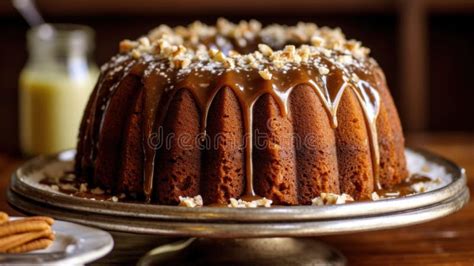
The concept of a “visual bite” goes beyond a full plate shot. It zeroes in on the most enticing aspect of a dish, often a single, perfect spoonful, a forkful, or a cross-section revealing layers of deliciousness. This framing strategy pre-sells the experience, allowing the viewer to imagine themselves savoring that very morsel. It’s about creating an immediate, visceral connection to the food, making it feel almost tangible through the screen.
To achieve this, photographers often employ extreme close-ups that highlight specific textures – the glistening glaze on a pastry, the crispy edges of a fried dish, or the creamy swirl of a sauce. These details are what truly differentiate a foodie’s appreciation from a casual observer’s glance.
Framing Techniques That Command Attention
Dynamic Angles and Perspectives
Forget flat, uninspired overhead shots for every dish. While top-down views can be effective for showcasing intricate patterns or a spread, varying your angles is crucial. Eye-level shots can create intimacy, making the viewer feel like they’re sitting at the table. Extreme close-ups, focusing on a single ingredient or a specific texture, can be incredibly powerful. A low angle looking up at a towering burger, for example, can emphasize its grandeur and layers.
Strategic Use of Depth of Field
Blurring the background (bokeh) to keep the food in sharp focus is a fundamental technique for drawing the eye exactly where you want it. This isolates the “hero” of your shot, eliminating distractions and emphasizing the dish’s delicious details. A shallow depth of field helps create a luxurious, professional feel that truly elevates the visual bite.
Compositional Excellence: Rule of Thirds and Negative Space
Placing your primary subject off-center, according to the rule of thirds or the golden ratio, naturally guides the viewer’s eye through the image, making it more dynamic and aesthetically pleasing. Furthermore, the intelligent use of negative space – areas around the food that are left empty or sparsely decorated – prevents the image from feeling cluttered and allows the main subject to breathe and dominate the frame. This creates a sense of elegance and sophistication.
Texture, Light, and Narrative: Elevating the Visual Bite
Highlighting Texture and Temperature
Foodies eat with their eyes, and texture is a massive part of that appeal. Is it gooey, crispy, flaky, juicy, or creamy? Your framing should emphasize these tactile qualities. Steam rising from a hot dish, glistening condensation on a cold drink, or the rough crust of artisanal bread can all convey temperature and freshness, making the food feel more real and immediate.
Mastering Natural Lighting
Good lighting is non-negotiable. Natural, diffused light is almost always best for food photography. Side lighting or backlighting can dramatically enhance textures and create inviting shadows that add depth and mood. Harsh direct sunlight often creates unflattering glares and shadows, so always seek out soft, even light, perhaps near a window or in open shade.
Storytelling Through Minimalist Props and Context
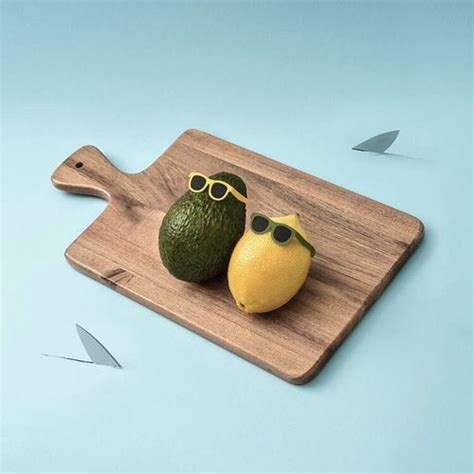
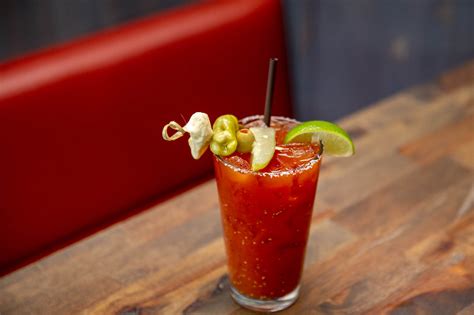
While the focus is on the food, subtle props can enhance the narrative without overwhelming the “bite.” A strategically placed fork, a sprinkle of herbs, a rustic cutting board, or a hint of a background setting can provide context and suggest a story, making the food more relatable and aspirational. However, the key is restraint; the props should support, not compete with, the main subject.

Conclusion: Crafting Unforgettable Visual Bites
To truly grab a foodie’s attention mid-scroll, your visual bites must be intentional, evocative, and technically sound. By mastering dynamic framing, leveraging depth of field, employing thoughtful composition, and emphasizing texture and natural light, you transform a simple food photo into an irresistible invitation. It’s about understanding the psychology of hunger and desire, and then crafting an image that speaks directly to it, making viewers not just see your food, but crave it.