What Visual Bite makes a foodie stop scrolling and click your recipe immediately?
In the bustling digital world of food blogs, Instagram feeds, and Pinterest boards, a recipe’s visual presentation is paramount. Foodies are constantly bombarded with culinary content, and only the most captivating images manage to pierce through the noise. So, what exactly is that ‘visual bite’ that makes someone stop their thumb mid-scroll and immediately click on your delicious creation?
The Undeniable Power of First Impressions
More than just a pretty picture, a compelling food photograph is an invitation, a promise, and a sensory experience all rolled into one. It’s the gatekeeper to your recipe, dictating whether it gets seen or overlooked. Understanding the psychology behind what makes food look mouth-watering is the first step to mastering the art of the click-worthy visual.
Key Ingredients for a Scroll-Stopping Visual
1. Lighting is Your Best Friend (or Worst Enemy)
Natural light is almost always the answer. Soft, diffused natural light enhances colors, highlights textures, and creates an inviting glow. Avoid direct, harsh sunlight which can create blown-out highlights and deep, unappetizing shadows. Position your food near a window, using a diffuser or sheer curtain if needed, and bounce cards to fill in shadows. Good lighting can transform an ordinary dish into an extraordinary one.
2. Master the Art of Composition and Angle
Think about how you frame your shot. The rule of thirds is a classic for a reason, creating balanced and engaging images. Experiment with angles: the overhead flat lay is perfect for showcasing ingredients and vibrant spreads, while a 45-degree angle mimics how a diner sees the plate, offering depth. Close-ups can emphasize texture and intricate details, making the viewer almost taste the dish.

3. Color and Texture: The Sensory Storytellers
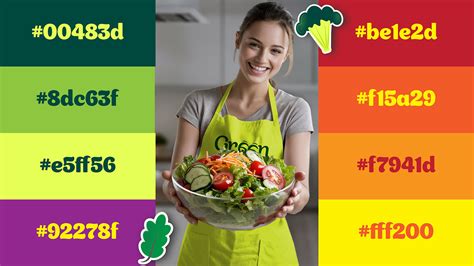
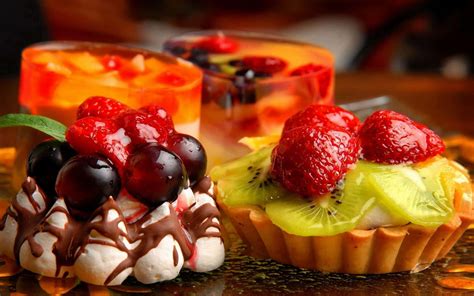
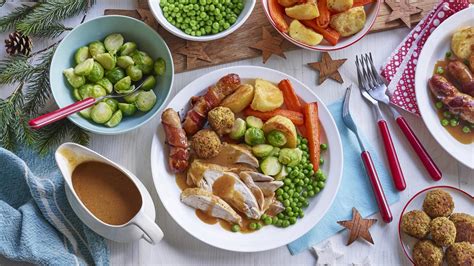
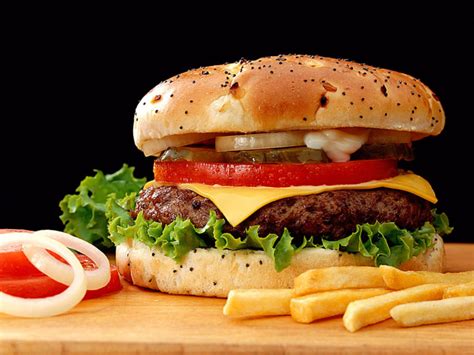
Vibrant colors naturally attract the eye. Fresh herbs, a sprinkle of paprika, or a bright sauce can add incredible visual appeal. Don’t forget texture – crispy crusts, gooey cheese, fluffy bread, or glistening glazes. These elements tell a story about the food’s tactile and gustatory qualities, making it feel more real and desirable. Contrast between colors and textures also adds dynamism.
4. Props and Background: Setting the Scene
While the food is the star, thoughtful props and backgrounds provide context and enhance the overall aesthetic without overshadowing the dish. Minimalist backgrounds (wood, linen, plain ceramics) often work best, allowing the food to pop. A few carefully chosen props—a vintage fork, a rustic napkin, a sprig of herb, or a subtly blurred background with related ingredients—can elevate the entire presentation and create a mood.
5. The “Action” Shot: Irresistible Dynamism
Sometimes, a static image isn’t enough. An “action” shot captures food in motion and adds an element of irresistible allure. Think of a spoonful of sauce drizzling, steam rising from a hot bowl, a knife slicing through a perfectly baked loaf, or a fork pulling apart a gooey grilled cheese sandwich. These moments are incredibly engaging and convey freshness, warmth, and deliciousness directly.
Beyond the Still Image: The Allure of Motion
While photographs are powerful, short videos or GIFs showcasing the making of a dish, the perfect pour, or a quick sizzle can be even more engaging. These mini-stories can convey texture, sound, and movement in ways a still photo cannot, drawing viewers further into your culinary world.
Consistency is Key for Branding
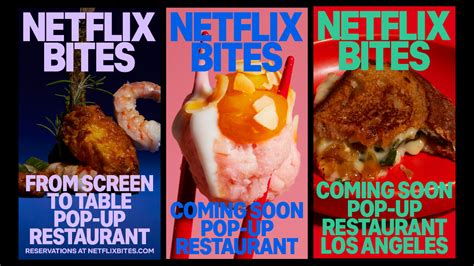
Developing a consistent visual style helps establish your brand identity. Whether it’s a particular color palette, lighting style, or type of props, consistency makes your content instantly recognizable and builds trust with your audience. When foodies recognize your unique “visual voice,” they’re more likely to stop scrolling and check out what you’ve cooked up.
Conclusion: Crafting the Click-Worthy Masterpiece
Ultimately, a visual bite that makes a foodie stop and click is a harmonious blend of technical skill and creative storytelling. It’s about more than just showing a dish; it’s about evoking emotion, promising flavor, and inviting interaction. By mastering lighting, composition, color, texture, thoughtful styling, and even incorporating dynamic elements, you can transform your recipe photos into irresistible calls to culinary adventure, driving traffic directly to your content.