What ‘Visual Bite’ photo styles best entice real foodies?
In the highly visual world of food blogging, social media, and culinary marketing, simply taking a picture of food isn’t enough. To truly entice a ‘real foodie’ – someone who appreciates the artistry, ingredients, and experience behind a dish – your photography needs to go beyond mere presentation. It must tell a story, evoke a craving, and highlight the essence of the meal. But what specific ‘visual bite’ photo styles consistently hit the mark?
Embrace Authenticity and Rawness
Foodies are often connoisseurs of genuineness. They want to see food that looks real, approachable, and delicious, not overly staged or airbrushed to perfection. This means embracing slight imperfections, the natural glistening of a sauce, or the rustic charm of a freshly baked crust. Authenticity builds trust and makes the food seem more attainable and inviting.
Focus on capturing the food in its natural state, perhaps just after it’s been cooked or plated. Show the steam rising, the crumbs falling, or the slight char from a grill. These small details convey freshness and an unpretentious love for food.

Storytelling Through Flat Lays and Context
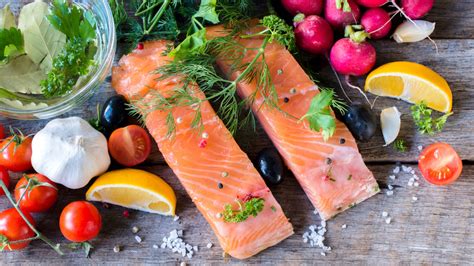
A true foodie appreciates the journey of food, from ingredients to the final plate. Flat lay photography, when done thoughtfully, can tell a comprehensive story by including key ingredients, tools, or elements that provide context. This style allows viewers to grasp the components and preparation process at a glance.
Beyond flat lays, placing the food in a relevant environment – whether it’s a cozy kitchen counter, a vibrant restaurant table, or even a picnic blanket – adds a layer of narrative. This helps the viewer imagine themselves enjoying the meal, transforming a static image into an experiential ‘visual bite’.
Highlight Texture and Detail with Macro Shots
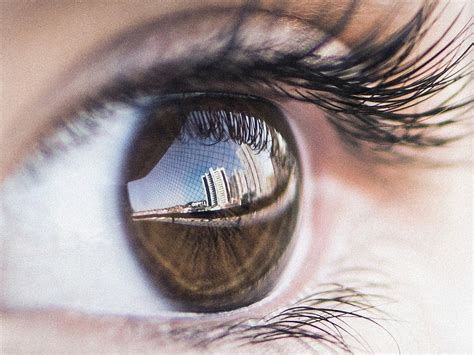
For many foodies, the pleasure of eating is deeply tied to sensory experiences, including texture. Macro photography or extreme close-ups are incredibly effective for showcasing the intricate details that make a dish unique and appetizing. Think of the flaky layers of a croissant, the glistening condensation on a cold drink, or the intricate marbling of a perfectly cooked steak.
These detailed shots don’t just show what the food looks like; they suggest how it feels and tastes. They invite the viewer to lean in, explore, and imagine the tactile and gustatory sensations.

Master the Art of Natural Lighting
No matter the style, lighting is paramount. Real foodies are drawn to food that looks vibrant, fresh, and appealing, and natural light is often the best way to achieve this. Soft, diffused natural light enhances colors, highlights textures, and creates inviting shadows that add depth and dimension to your food photos.
Avoid harsh, direct light that can wash out details or create unflattering reflections. Instead, position your food near a window, using diffusers or reflectors to sculpt the light and bring out the best in your dish. The goal is to make the food look as appetizing as it would if it were right in front of them.
Evoke Emotion and Experience
Ultimately, the most enticing ‘visual bites’ are those that evoke an emotional response. This could be nostalgia, comfort, excitement, or pure indulgence. Photos that capture a hand reaching for a piece of bread, a shared dessert, or the steam rising from a warm bowl can transport the viewer beyond the image itself.
Focus on creating a mood or atmosphere. Is the dish comforting and warm? Is it fresh and invigorating? Use props, backgrounds, and composition to reinforce this feeling. When a photo sparks a memory or a desire for a particular experience, you’ve successfully created a truly compelling ‘visual bite’ that resonates deeply with food enthusiasts.
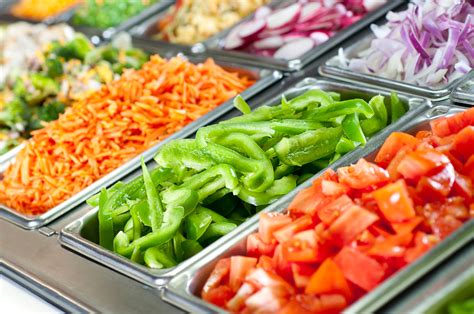
By focusing on authenticity, telling a story, highlighting sensory details, utilizing natural light, and evoking emotion, your food photography will move beyond mere documentation to become genuinely enticing ‘visual bites’ that captivate and convert even the most discerning real foodies.