What Visual Bite strategies boost foodie recipe conversions on mobile?

The Crucial Role of Visual Bites in Mobile Recipe Conversions
In today’s fast-paced digital landscape, especially on mobile devices, attention spans are fleeting. For foodies browsing recipes, a compelling visual can be the difference between a quick scroll past and a deep dive into cooking instructions. ‘Visual bites’ – those instantly digestible, captivating visual elements – are paramount. But what specific strategies elevate these visuals from mere eye-candy to powerful conversion tools on mobile?
High-Quality Photography: The Irresistible First Impression
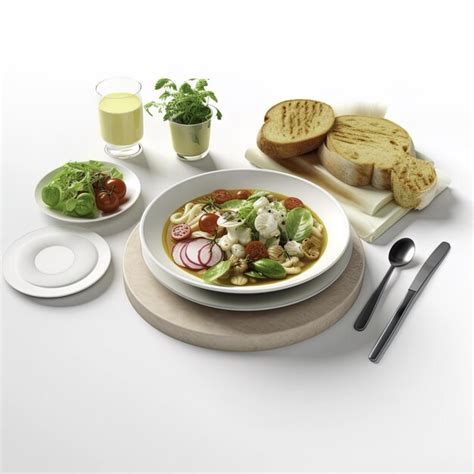
The foundation of any successful food recipe conversion strategy on mobile is exceptional photography. Mobile users are highly visual; a mouth-watering hero shot can immediately grab attention. Focus on:
- Lighting and Composition: Utilize natural light whenever possible. Employ the rule of thirds or leading lines to create dynamic, appealing shots.
- Authenticity and Detail: Showcase the texture, freshness, and vibrant colors of ingredients and the final dish. Close-up shots can be particularly effective.
- Variety of Angles: Offer overhead, eye-level, and detail shots to give a comprehensive visual understanding of the dish.
Embrace Short-Form Video and GIFs
Static images are powerful, but movement is even more engaging. Short-form videos (think Instagram Reels or TikTok-style clips) and GIFs can dramatically boost engagement and conversion rates on mobile by:
- Demonstrating Key Steps: A quick video showing a specific technique (e.g., how to chop an onion, kneading dough) can demystify complex recipes and build user confidence.
- Showcasing Process to Perfection: A time-lapse or sped-up video of the cooking process, ending with the glorious final product, is incredibly satisfying and inspiring.
- Adding Personality: A short, engaging clip can convey the joy and simplicity of cooking the dish, making it more relatable.

Mobile-First Design and Optimized Loading Speed
Even the most stunning visuals are ineffective if they don’t load quickly or display poorly on mobile. Prioritize a mobile-first approach:
- Responsive Images: Ensure images are optimized for various screen sizes without compromising quality.
- Fast Loading Times: Compress image and video files without sacrificing visual appeal. Users abandon pages that take too long to load.
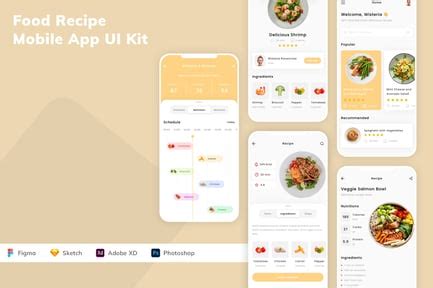
- Clear Call-to-Actions (CTAs): Visually compelling buttons like “Save Recipe,” “Print,” or “Shop Ingredients” should be prominent and easy to tap.
Interactive Visuals: Beyond Static Viewing
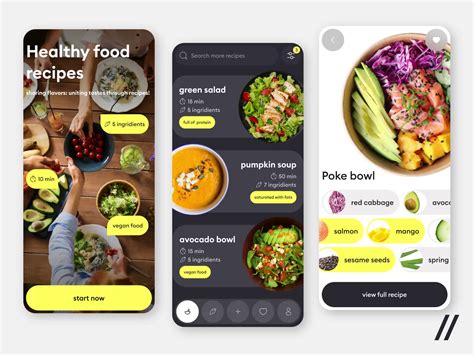
Engage users actively rather than passively. Interactive visual elements can include:
- Swipeable Carousels: Allow users to swipe through step-by-step photos or different serving suggestions.
- Before & After Shots: Dramatically showcase transformations (e.g., raw ingredients to cooked dish).
- Visual Progress Indicators: Use icons or mini-photos to show the stage of the recipe the user is currently viewing.
Storytelling Through Visual Sequences
Every recipe tells a story, and visuals are the best narrators. Create a visual journey that builds anticipation and desire:
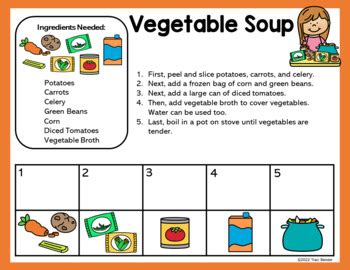
- Ingredients to Plated Dish: Show beautiful shots of fresh ingredients, key preparation steps, and finally, the artfully plated meal.
- Lifestyle Context: How does this dish fit into a meal? Show it being enjoyed, perhaps with complementary elements, to inspire the user to visualize themselves making and eating it.
Conclusion: A Recipe for Conversion Success
Boosting foodie recipe conversions on mobile requires more than just pretty pictures; it demands a strategic approach to visual bites. By investing in high-quality, mobile-optimized photography and video, embracing interactive elements, prioritizing fast loading times, and telling compelling visual stories, food content creators can significantly increase engagement and drive users from browsers to active chefs. Make every visual count, and watch your conversions rise.