What Visual Bite style best captures foodie attention & drives recipe discovery?

The Power of the Visual Bite in Foodie Culture
In the bustling digital landscape, where attention spans are fleeting and feeds scroll endlessly, a captivating visual is no longer a luxury—it’s a necessity. For food creators and brands, mastering the ‘visual bite’ is paramount to cutting through the noise, capturing the gaze of hungry foodies, and ultimately driving them towards recipe discovery. But with an array of styles and trends, which visual approach truly stands out and sparks culinary curiosity?

Understanding the Foodie Gaze: What Captivates Most?
Before diving into specific styles, it’s crucial to understand what makes a foodie stop scrolling. It’s often a combination of aesthetic appeal, perceived deliciousness, and an underlying sense of authenticity or aspiration. Foodies are drawn to visuals that evoke emotion—comfort, excitement, hunger, or even nostalgia. The most effective visual bites don’t just show food; they tell a story, promise an experience, or hint at a delightful outcome.
Deconstructing Effective Visual Bite Styles
Different visual styles resonate with different segments of the foodie community and are best suited for particular types of recipes or brand identities. Let’s explore some of the most impactful:
1. Rustic Charm & Comfort Food Vibes
This style embraces imperfection, natural light, and a sense of hominess. Think bread crumbling, steam rising, or ingredients artfully (yet casually) arranged on a worn wooden board. It evokes warmth, tradition, and the comforting promise of a home-cooked meal. This approach is highly effective for stews, baked goods, slow-cooked dishes, and anything that screams ‘comfort’.
2. Minimalist Elegance & Modern Plating
At the other end of the spectrum lies minimalism. This style focuses on clean lines, negative space, precise plating, and often a limited color palette. It exudes sophistication, high-end dining, and an appreciation for artful presentation. It’s ideal for gourmet dishes, intricate desserts, or recipes that emphasize technique and refined flavors. The simplicity often highlights the quality of individual ingredients.
3. Vibrant Abundance & Celebratory Feasts
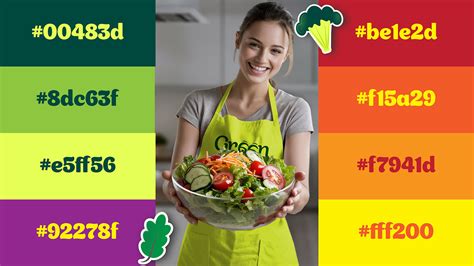
Sometimes, more is more! This style celebrates rich colors, overflowing spreads, and a sense of joyous indulgence. Think vibrant fruit tarts, colorful salads bursting with fresh produce, or a table laden with an array of dishes for a gathering. This approach is excellent for showcasing variety, promoting festive recipes, or simply conveying the sheer joy of food and sharing. It often uses bright, natural lighting to enhance the colors.
4. Process-Oriented & Behind-the-Scenes
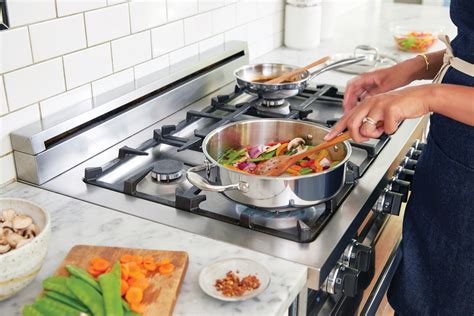
Foodies are increasingly curious about the ‘how-to’. Visual bites that show a glimpse of the cooking process—hands kneading dough, ingredients being chopped, a sauce simmering—can be incredibly engaging. These visuals create a sense of authenticity and often make a recipe feel more approachable, encouraging viewers to try it themselves. This style builds trust and makes the discovery of the full recipe feel like a natural next step.
5. Aspirational & Lifestyle Integration
Beyond the food itself, showing the context or lifestyle surrounding the meal can be a powerful draw. Imagine a beautifully set outdoor picnic, a cozy breakfast nook with a steaming cup, or friends sharing a dish. These visuals sell an experience, not just a recipe. They tap into desires for connection, wellness, or adventure, making the associated recipe feel like a gateway to that desired lifestyle.

Key Elements for Maximizing Visual Impact
Regardless of the chosen style, certain elements are universal for creating compelling visual bites:
- Lighting: Natural, soft light is almost always preferred, highlighting textures and colors without harsh shadows.
- Composition: Employing principles like the rule of thirds, leading lines, and negative space can significantly elevate a shot.
- Color Psychology: Understand how colors evoke different emotions and use them intentionally.
- Storytelling: Every image should have a narrative, even if it’s subtle, hinting at the flavors, effort, or joy involved.
Driving Recipe Discovery: Beyond the Pretty Picture
A stunning visual bite is the hook, but converting that attention into recipe discovery requires more. Ensure your visual content is paired with compelling, concise captions that spark further interest. Include clear calls to action, whether it’s a link in bio, a swipe-up story, or a direct tag to the recipe page. Consistency in your chosen visual style also helps build brand recognition and a loyal following.

Conclusion: Tailoring Your Style for Maximum Impact
There isn’t a single ‘best’ visual bite style; rather, it’s about understanding your audience, the type of recipes you’re sharing, and your brand’s unique voice. The most successful approach often involves a blend or a consistent evolution, staying attuned to current trends while maintaining an authentic perspective. By strategically employing visual bites that genuinely resonate, you not only capture foodie attention but also create an irresistible path to culinary exploration and discovery.