What Visual Bite style best drives foodie recipe discovery and saves?

The Allure of the Appetizing Image
In the bustling digital landscape of food content, a ‘Visual Bite’ is often the first, and sometimes only, interaction a potential cook has with a recipe. It’s the instant visual appeal that determines whether someone scrolls past or clicks through, discovers a new dish, and ultimately saves it for later. But with an ever-evolving array of visual styles, what approach truly best captivates foodies, sparking both discovery and the crucial ‘save’ action?
From rustic charm to minimalist elegance, and from vibrant action shots to instructional sequences, each visual style serves a different purpose and resonates with distinct audiences. Understanding these nuances is key for creators looking to maximize their impact and ensure their culinary creations don’t just get seen, but get saved and made.

Rustic & Homely: Comfort in Every Frame
The rustic visual style emphasizes warmth, authenticity, and a sense of homemade comfort. Think natural light, slightly messy compositions, vintage props, and ingredients scattered artfully around the main dish. This style often features dishes that are inherently comforting – stews, hearty breads, grandma’s pies – presented in a way that feels approachable and achievable.
This aesthetic excels at driving recipe discovery by tapping into nostalgia and emotional connection. Viewers often perceive these recipes as less intimidating and more ‘real,’ making them highly shareable. Saves are driven by the promise of familiar flavors and achievable results, appealing to those seeking cozy weeknight meals or comforting weekend bakes.
Minimalist & Elegant: Sophistication on a Plate
On the opposite end of the spectrum lies the minimalist style. This approach focuses on clean lines, ample negative space, a limited color palette, and pristine presentation of the dish itself. Props are sparse and deliberately chosen, often highlighting the ingredients’ natural beauty or the dish’s refined quality. Lighting is typically bright and even, emphasizing texture and form.
Minimalist visuals attract an audience interested in gourmet cooking, sophisticated entertaining, or healthier, aesthetically pleasing meals. Discovery often comes from its striking, art-like quality, making it stand out in a cluttered feed. Recipes presented this way are frequently saved by those seeking elegant dinner party ideas, refined techniques, or aspirational culinary experiences.

Vibrant & Dynamic: Action, Color, and Energy
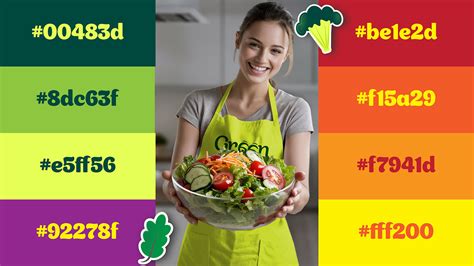
The vibrant and dynamic style uses bright colors, energetic compositions, and often incorporates movement or action – a drizzle of sauce, a sprinkle of herbs, a hand reaching for a piece of food. This style is designed to grab attention immediately and convey freshness, excitement, and flavor. It often uses creative angles and bold styling to make the food pop.
This visual bite is particularly effective on fast-paced platforms like Instagram and TikTok, where instant engagement is paramount. It drives discovery through its high scroll-stopping power and shareability. Saves are often motivated by the desire to recreate exciting, visually appealing dishes or to capture the ‘wow factor’ for personal use or sharing.
Instructional & Process-Oriented: Guiding the Cook
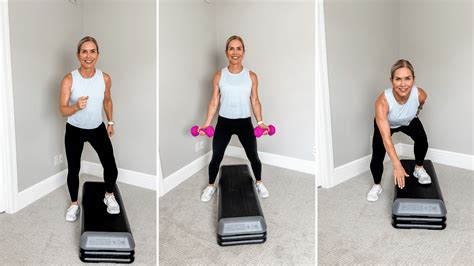
While less about a single glamorous shot, instructional and process-oriented visuals – whether a carousel of step-by-step photos or a concise video tutorial – are incredibly powerful for driving saves. These visuals prioritize clarity, utility, and demystifying the cooking process. They show key stages, techniques, and often reveal the ‘how-to’ aspect directly within the visual bite itself.
Discovery might be driven by direct search (e.g., ‘how to make focaccia’) or by the reassuring promise of ease. The primary driver for saves, however, is the clear utility. Users save these recipes because they provide immediate, actionable guidance, making daunting recipes feel achievable and offering a reliable reference point when they’re ready to cook.
The Platform & Audience Conundrum
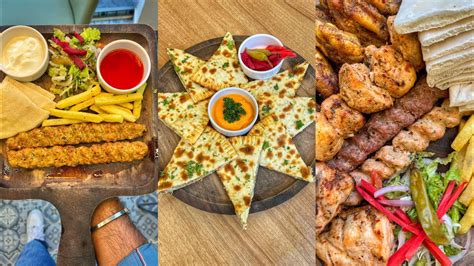
Ultimately, the ‘best’ visual bite style isn’t universal; it’s highly dependent on the platform and the target audience. Pinterest users, for instance, often seek utility and save aspirational and instructional content for future planning. Instagram thrives on inspirational and aesthetically pleasing visuals that are highly shareable. TikTok favors short, dynamic, and often entertaining visual bites that demonstrate process rapidly.
Understanding your audience’s intent – are they looking for quick inspiration, detailed instructions, or comforting familiarity? – is crucial. A mix of styles, tailored to specific content goals and distribution channels, often yields the most comprehensive results.

Crafting Your Recipe for Visual Success
There isn’t one definitive ‘best’ visual bite style, but rather effective strategies for different objectives. While vibrant and dynamic visuals may excel at initial discovery and grabbing attention, rustic and instructional styles often prove more effective for driving long-term saves and actual recipe execution. Minimalist elegance carves out a niche for sophisticated inspiration.
The most successful creators often master a dominant style that aligns with their brand while strategically incorporating elements from others to keep their content fresh and widely appealing. By carefully considering the emotional impact, utility, and platform context of each visual bite, food content creators can significantly enhance both recipe discovery and saves, ensuring their culinary masterpieces move from screen to kitchen.