What Visual Bite techniques maximize clarity for foodies learning complex recipe steps?
Overcoming Culinary Complexity: The Visual Imperative
For many food enthusiasts, the joy of cooking often collides with the frustration of deciphering overly technical or text-heavy recipes. While experienced chefs might intuitively understand terms like “emulsify until ribbon stage” or “temper chocolate correctly,” the average foodie can quickly feel lost. This is where the power of “Visual Bites” comes into play – small, digestible visual pieces of information designed to demystify complex culinary processes and dramatically improve learning clarity.
Defining Visual Bites in the Recipe Context
In the realm of recipes, Visual Bites are more than just pretty pictures; they are strategic visual aids that break down intricate instructions into easily understandable segments. Their primary goal is to minimize cognitive load, reduce ambiguity, and ensure that every step, no matter how complex, is clear and actionable. This goes beyond a single hero shot of the finished dish, focusing instead on the journey.

Key Visual Bite Techniques for Maximizing Clarity
High-Quality Step-by-Step Photography
One of the most fundamental and effective Visual Bite techniques is sequential photography. Each significant action or transformation in a recipe step should be accompanied by a clear, well-lit photograph. For complex steps, this might mean a series of 2-3 photos for a single written instruction. Focus on:
- Close-ups: Highlighting critical details, such as the texture of dough, the consistency of a sauce, or the correct way to hold a knife.
- Consistent Framing: Maintaining a similar perspective and lighting for sequential shots helps foodies track progress seamlessly.
- “What it should look like”: Showing the desired intermediate outcome for key stages, providing a visual benchmark.
Short, Loopable Video Snippets
Certain culinary techniques are inherently dynamic and difficult to convey through static images alone. This is where short video clips, typically 10-30 seconds, excel. They are perfect for:
- Tricky Hand Movements: Demonstrating how to knead dough, fold a pastry, supreme an orange, or pipe frosting.
- Temperature-Sensitive Processes: Showing the exact visual cues for tempering chocolate, achieving a perfect caramel, or whipping egg whites to stiff peaks.
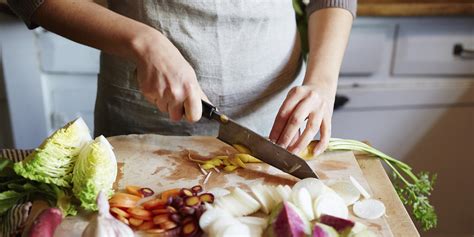
- Ingredient Preparation: Illustrating precise knife cuts, peeling techniques, or how to prepare an unusual ingredient.
Infographics and Visual Summaries
For recipes with many ingredients, specific timing, or multiple components, infographics can be incredibly powerful. These Visual Bites condense large amounts of information into a single, easy-to-digest graphic:
- Ingredient Prep Infographics: A visual checklist for mise en place, showing chopped vegetables, measured liquids, and prepped proteins.
- Timeline Summaries: An overview of cooking stages, resting times, and cooling periods, particularly useful for baking or multi-day preparations.
- Equipment Guides: Visuals of specialized tools required, ensuring foodies have everything they need before they start.
Color-Coding and Consistent Iconography
Applying a consistent visual language through color and icons can significantly enhance clarity, especially across multiple recipes or a series of complex steps:
- Color-Coded Heat Levels: Assigning specific colors (e.g., blue for low, yellow for medium, red for high) to stove temperatures.
- Action Icons: Standardized icons for actions like “mix,” “chop,” “sauté,” “rest,” or “chill.”
- Safety Warnings: Clear, universal icons for hot surfaces, sharp objects, or allergen alerts.

Animated Diagrams for Abstract Concepts
For the most scientifically-minded or curious foodies tackling molecular gastronomy or advanced techniques, simple animated diagrams can explain underlying principles. These could illustrate:
- Emulsification Process: How oil and water combine with an emulsifier.
- Yeast Activation: The process of yeast fermenting sugar.
- Gelatin Setting: The molecular structure changing as gelatin cools.

Implementing Visual Bites for Optimal Learning
The effectiveness of Visual Bites lies not just in their creation, but in their thoughtful integration. They should be placed immediately adjacent to the relevant text, be clearly labeled, and load quickly. Consistency in style, quality, and placement is paramount to building a seamless learning experience.
The Impact: Empowering the Home Chef
By strategically employing these Visual Bite techniques, recipe creators can transform intimidating culinary challenges into approachable, enjoyable learning experiences. Foodies gain confidence, reduce errors, and ultimately achieve better results, fostering a deeper love for cooking complex and rewarding dishes. The visual journey transforms mere instructions into a guided, successful adventure in the kitchen.

Conclusion
In an increasingly visual world, the recipes that truly stand out and empower home cooks are those that prioritize clarity through intelligent visual design. Visual Bites are not just an enhancement; they are an essential component of modern culinary education, ensuring that even the most complex recipe steps become accessible, understandable, and ultimately, conquerable for every foodie.