What Visual Bites CTA best converts foodies to recipe page visits?
The Allure of Visual Bites for Food Enthusiasts
In the vibrant world of food, visual content reigns supreme. From drool-worthy Instagram posts to captivating short-form recipe videos, ‘visual bites’ are the currency of engagement for foodies. These snippets, whether a stunning photograph or a quick cooking demo, tantalize the taste buds and spark curiosity. However, mere engagement isn’t enough; the ultimate goal for creators is to convert this visual delight into action – specifically, a visit to a full recipe page. The key to unlocking this conversion lies in crafting the perfect Call-to-Action (CTA).
Understanding the Foodie Mindset and Motivation
Food enthusiasts aren’t just looking for pretty pictures; they’re seeking inspiration, solutions, and sensory experiences. They are motivated by the desire to create, to try new flavors, to master a technique, or simply to find their next meal. A successful CTA acknowledges this intrinsic motivation, speaking directly to their needs and desires awakened by the visual content. It must bridge the gap between passive admiration and active exploration.
Direct and Benefit-Oriented CTAs: The Clear Path
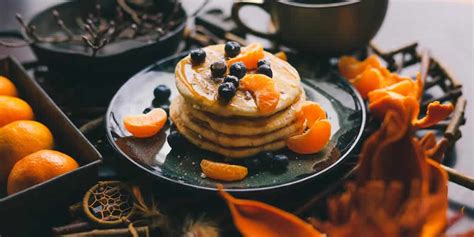
For many food-related visual bites, directness is often the most effective strategy. CTAs like “Get the Recipe,” “View Full Recipe,” or “Cook This Now” leave no room for ambiguity. They immediately tell the user what action to take and what benefit they will receive. These work best when the visual content clearly showcases a finished dish, and the primary intent of the foodie is to replicate it or learn more about it.
Combining directness with a clear benefit can further enhance conversion. For example, “Unlock the Full Flavor: Get the Recipe” or “Your Dinner Solution Awaits: View Recipe.” These phrases not only instruct but also hint at the positive outcome awaiting them on the recipe page.

Emotionally Driven and Curiosity-Sparking CTAs
Sometimes, the goal isn’t just to replicate but to inspire a feeling or an adventure. Emotionally driven CTAs appeal to the sensory experience of food. Consider “Savor This Dish,” “Your Next Culinary Adventure Awaits,” or “Taste the Difference: Recipe Inside.” These types of CTAs are particularly effective when the visual emphasizes the experience of eating or the unique quality of the dish, rather than just the instructions.
Curiosity-based CTAs also play a role, especially when the visual bite presents an intriguing cooking method or an unusual ingredient. “Discover the Secret Ingredient” or “How Is This Made? Find Out Here” can pique interest and lead foodies to the recipe page for answers.
The Power of Urgency and Exclusivity (Used Judiciously)
While not universally applicable to all recipes, CTAs incorporating urgency or exclusivity can sometimes boost conversions. Phrases like “Limited Time Recipe!” (if applicable for seasonal ingredients), “Don’t Miss This Flavor!,” or “Exclusive Recipe for Our Community” can create a sense of scarcity or special access. This approach should be used thoughtfully and authentically to avoid misleading users.

Placement, Design, and A/B Testing for Optimal Results
Beyond the wording, the placement and design of your CTA are paramount. A prominent, clearly visible button with contrasting colors, placed strategically (e.g., at the end of a video, as an overlay, or immediately below a captivating image), will outperform a hidden or subtle one. Ensure your CTA is mobile-friendly and easily clickable on all devices.
Ultimately, the ‘best’ CTA is rarely a one-size-fits-all solution. Consistent A/B testing is crucial. Experiment with different wordings, button colors, placements, and even the context of the visual bite. Analyze your click-through rates and conversion metrics to understand what resonates most with your specific audience. What works for a quick weeknight meal might differ from a gourmet dessert.

Conclusion: A Recipe for Conversion Success
Converting foodies from visual bites to recipe page visits requires a thoughtful blend of compelling visuals and an effective Call-to-Action. The most successful CTAs are often direct, benefit-oriented, and resonate with the foodie’s motivations, whether it’s hunger, curiosity, or the desire to create. By understanding your audience, experimenting with different approaches, and continuously optimizing based on data, you can significantly enhance your conversion rates and guide more enthusiasts to the detailed culinary journeys awaiting them on your recipe pages.