What Visual Bites details best convey authentic taste & inspire real foodies?

In an age saturated with digital imagery, standing out in the culinary world requires more than just a pretty picture. For true foodies, who seek depth, provenance, and genuine flavor, visual bites must do more than merely present a dish; they must tell a story of authentic taste. It’s about transcending the superficial gloss to convey the very essence of a meal.
Beyond the Filter: The Quest for Authenticity
The discerning foodie can spot a contrived shot from a mile away. While bright colors and artful arrangements have their place, authenticity resonates far more powerfully. This isn’t just about the food itself, but how it’s presented to evoke a sensory experience – the warmth, the aroma, the succulence – long before the first bite.
Key Visual Elements That Speak Volumes
1. Natural Light: The Unsung Hero
Nothing enhances a dish’s true colors and textures quite like natural light. It adds depth, highlights subtle variations, and casts inviting shadows that artificial light often flattens. A plate bathed in soft daylight feels honest, unmanipulated, and inherently more appetizing.
2. Texture and Detail: A Feast for the Eyes
Authentic taste isn’t just about flavor; it’s about the mouthfeel. Visuals should emphasize the crispy skin, the glistening sauce, the flakiness of a pastry, or the tender marbling of meat. Close-up shots that reveal the intricate textures invite the viewer to imagine the sensation on their palate, making the food almost tangible through the screen.
3. Raw Ingredients & Process: The Story Behind the Plate
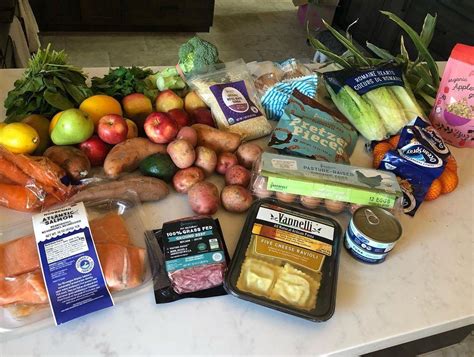
Foodies appreciate the journey from farm to fork. Incorporating glimpses of fresh, high-quality raw ingredients, or even a hint of the preparation process (like hands kneading dough or spices being ground), adds a layer of narrative. It communicates care, craftsmanship, and the quality of components that ultimately define authentic taste.
4. Context and Environment: Setting the Scene
The environment in which food is presented speaks volumes. A rustic wooden table, a worn linen napkin, fresh herbs from a garden, or a bustling market background can transport the viewer, adding cultural context and a sense of place. These subtle cues enrich the visual story and enhance the perceived authenticity of the dish.
5. Imperfections and Realness: Embracing the “Handmade”
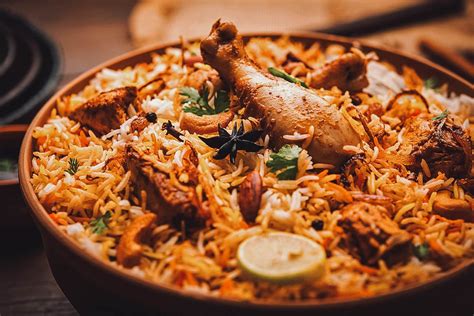
Perfection can sometimes feel sterile. A wisp of steam rising from a hot dish, a scattering of crumbs around a pastry, a slight drip of sauce, or a knife mark on a cutting board can add a powerful touch of realness. These small imperfections suggest that the food was just prepared, is meant to be eaten, and is full of life, instantly connecting with the emotional side of a foodie.
Inspiring Real Foodies: More Than Just Pretty Pictures
To truly inspire a foodie, visual bites must evoke emotion and a sense of discovery. It’s about showcasing the passion behind the plate, whether it’s through the meticulous plating that reflects culinary artistry or the rustic charm that speaks of tradition and comfort. The best visuals create a desire not just to eat, but to experience the food’s unique story and flavor profile.
Conclusion: The Art of the Authentic Visual Bite
Ultimately, conveying authentic taste through visual bites is an art of honesty and empathy. It requires photographers and creators to think beyond mere aesthetics and delve into what truly makes a dish delicious and meaningful. By focusing on natural light, texture, storytelling, context, and embracing genuine imperfections, we can craft visual narratives that don’t just catch the eye, but genuinely inspire the palate and ignite the passion of real foodies.