What “Visual Bites” editing tips instantly grab real foodies’ attention for recipe clicks?

In the bustling digital landscape of food blogs, social media, and recipe websites, simply having a great recipe is no longer enough. To genuinely capture the attention of avid foodies and compel them to click, cook, and share, your visuals must do more than just show the food – they must make it sing. Welcome to the world of “Visual Bites,” where strategic editing transforms ordinary food photos into irresistible cravings.
The Power of the First Impression
Food is inherently sensory, and before taste or aroma, sight is the first sense engaged online. A “visual bite” is that instant, mouth-watering impression your image makes, drawing viewers in and promising a delicious experience. This immediate connection is paramount for driving recipe clicks. It’s about more than just a pretty picture; it’s about evoking emotion, desire, and curiosity through thoughtful visual storytelling.

Mastering Color and Vibrancy
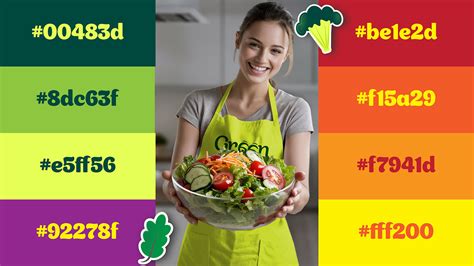
Colors in food photography are critical. Dull, washed-out images will instantly deter potential clicks. Focus on making your food look fresh and appealing. Start with correct white balance to ensure true-to-life colors. Boost natural vibrancy with subtle saturation adjustments, being careful not to overdo it, which can make food look artificial. Enhance specific hues (like the rich red of a tomato or the golden brown of a crust) to make them pop without losing authenticity.
Understanding color theory can also play a role. Complementary colors (like green herbs on a red dish) create visual interest and make components stand out. A well-calibrated display is your best friend when editing to ensure what you see is what your audience gets.
Composition and Cropping for Impact
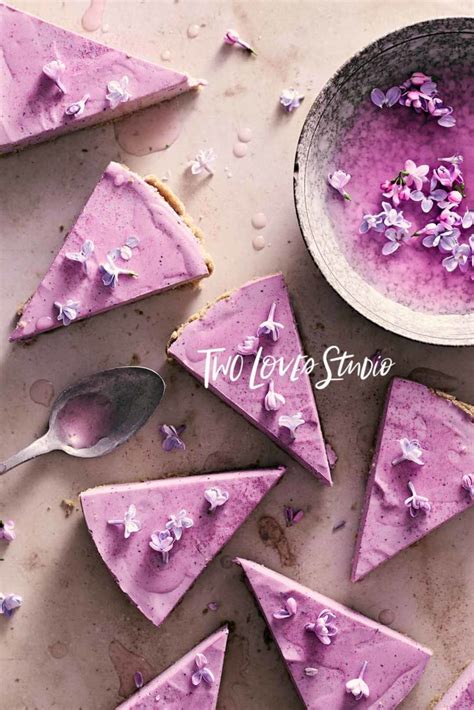
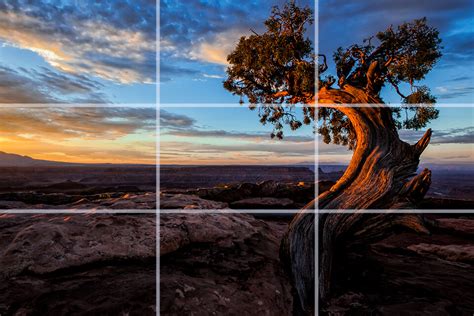
How you frame your food can dramatically affect its appeal. The “rule of thirds” is a classic for a reason, creating balanced and engaging images. Don’t be afraid to experiment with negative space to draw focus to your hero dish, or to crop tightly for an intimate, detailed shot that emphasizes texture. Consider leading lines, such as cutlery or ingredients, that guide the viewer’s eye towards the main subject. Thoughtful cropping can eliminate distractions and strengthen your composition, ensuring the food is always the star.
Lighting: Your Best Friend (or Foe)
Great lighting is perhaps the single most important factor in stunning food photography. Natural light is almost always preferred – positioned behind or to the side of your dish to create soft shadows and highlights that give depth and dimension. Avoid harsh overhead lighting or direct flash, which can flatten the food and create unattractive reflections. If natural light isn’t available, invest in softboxes or diffusers to mimic that soft, diffused glow. Properly exposed food looks appetizing; underexposed or overexposed food looks unappetizing.

Detail, Texture, and Garnish
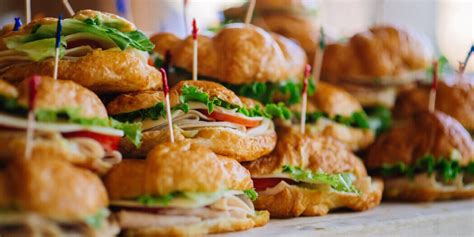
Food is multi-faceted, and excellent editing highlights these aspects. Enhance the crispy edges of roasted vegetables, the creamy swirl of a sauce, or the delicate crumb of a pastry through subtle sharpening and contrast adjustments. Pay attention to garnishes – a sprinkle of fresh herbs, a drizzle of olive oil, or a dusting of powdered sugar can elevate a dish from good to gourmet. Ensure these details are crisp and inviting, hinting at the delightful textures and flavors awaiting the viewer.
The Final Polish: Sharpening and Consistency
Once you’ve refined colors, composition, and lighting, a final, subtle sharpening can bring out the finer details without making the image look artificial. Always use sharpening sparingly. Equally important is maintaining consistency across your visual content. A cohesive style, from color grading to overall mood, builds a recognizable brand identity and helps foodies instantly identify and trust your content. This consistency makes your “Visual Bites” more impactful and memorable.
By implementing these “Visual Bites” editing tips, you’re not just presenting food; you’re crafting an experience. You’re transforming static images into dynamic invitations that genuinely resonate with food enthusiasts, leading to more engagement, more clicks, and ultimately, a wider reach for your delicious recipes. Start editing smarter, and watch your foodie audience grow.