What Visual Bites elements maximize foodie engagement & recipe clicks?

The Irresistible Pull of Visual Bites
In the bustling digital landscape, where attention spans are fleeting, food content creators face the constant challenge of cutting through the noise. For foodies, the decision to engage with a recipe or click through to learn more is often made in milliseconds, primarily driven by a single, powerful factor: visual appeal. Visual Bites – the captivating images and short videos of food – are the frontline of engagement. But what specific elements truly maximize that engagement and, crucially, lead to recipe clicks?
High-Quality Visuals: The Foundation of Attraction
The bedrock of any successful Visual Bite is undoubtedly its quality. Blurry, poorly lit, or unappealing images simply won’t cut it. Sharp focus, natural or expertly managed lighting, and a professional aesthetic are non-negotiable. This means:
- Clarity and Sharpness: Every ingredient, every texture, should be in crisp focus.
- Optimal Lighting: Natural light is often preferred, making food look fresh and vibrant. Avoid harsh shadows or overexposure.
- Appetizing Colors: Food should appear true to life, rich, and inviting.
Aesthetic Styling & Composition: Crafting the Scene
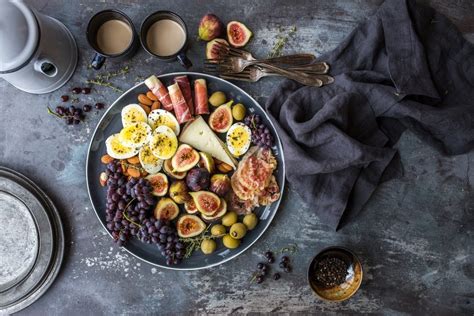
Beyond technical quality, how the food is presented plays a pivotal role. Food styling is an art form that tells a story and evokes desire.
- Thoughtful Plating: Arrange food in an appealing, organized, and realistic manner. A ‘perfect’ but unachievable plating can sometimes be less effective than something beautifully rustic.
- Strategic Props: Cutlery, linens, cutting boards, and garnishes can enhance the scene, adding context and warmth without overshadowing the food.
- Rule of Thirds & Leading Lines: Utilize classic photographic composition techniques to guide the viewer’s eye and create visual harmony.
- Clean Backgrounds: A cluttered background distracts from the star – the food. Opt for simple, complementary backdrops.
Capturing the ‘Bite’ – Texture, Motion & Authenticity
Food isn’t static; it’s an experience. Visual Bites that capture the essence of eating or cooking are incredibly powerful.
- Texture Highlights: Show the crunch of a crust, the gooeyness of cheese, the flakiness of pastry. Close-ups that emphasize texture are incredibly effective.
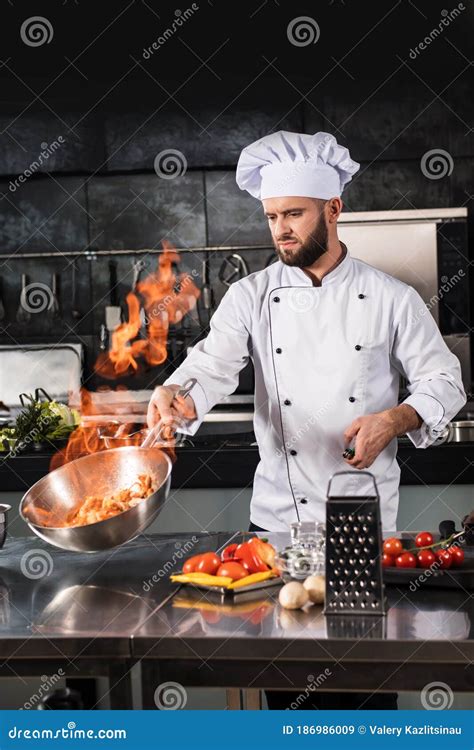
- Action Shots/Videos: A hand reaching for a piece, a drizzle of sauce, steam rising, a knife slicing through – these dynamic elements create movement and sensory anticipation.
- Relatability & Authenticity: While styling is important, food that looks genuinely delicious and attainable, rather than overly Photoshopped or artificial, resonates more deeply. People want to feel they can recreate it.
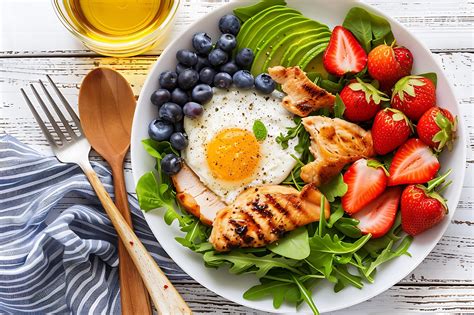
The Power of Storytelling & Emotion
The most effective Visual Bites do more than just show food; they evoke emotion and tell a mini-story. This connection drives engagement.
- Evoking Hunger & Craving: This is the primary goal. Visuals that make mouths water are successful.
- Nostalgia & Comfort: Certain foods trigger memories or feelings of warmth and home.
- Aspiration & Inspiration: Showcasing food in a way that makes viewers want to try making it themselves or share it with loved ones.
- Behind-the-Scenes Peeks: Short videos showing a glimpse of the cooking process can build intrigue and trust.
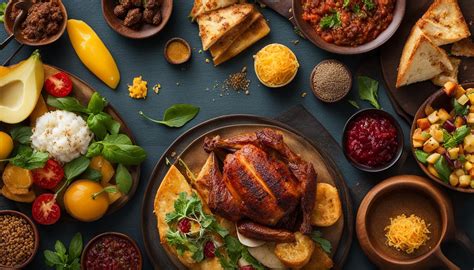
Clear Call to Action (Implicit & Explicit)
While often complemented by text, the visual itself should hint at the desired action. A beautifully arranged plate might imply a ‘recipe awaits,’ while a video showing a cooking process naturally leads to ‘learn how to make this.’ The visual should create enough curiosity or desire that the click to the recipe becomes an inevitable next step.
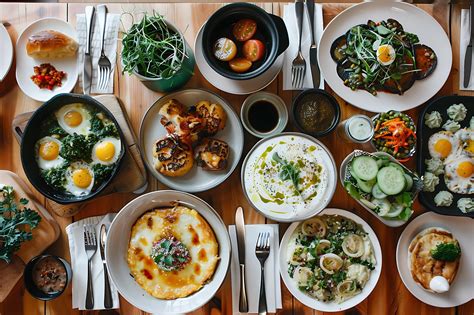
Conclusion: A Recipe for Clicks
Maximizing foodie engagement and recipe clicks through Visual Bites is a multi-faceted endeavor. It begins with impeccable technical quality, evolves through strategic styling and composition, and truly thrives when it captures the dynamic, emotional, and authentic experience of food. By focusing on sharp, well-lit imagery, engaging textures and motion, and visuals that tell a compelling story, creators can transform passive scrolling into active discovery, leading eager foodies directly to their culinary creations.