What “Visual Bites” format best converts foodie scrolls into recipe page visits?
In the bustling digital landscape of food content, grabbing a scroller’s attention is only half the battle. The ultimate goal for many foodie creators is to convert that fleeting glance into a tangible visit to a recipe page. This is where the power of ‘Visual Bites’ comes into play – short, digestible pieces of visual content designed for maximum impact. But with various formats available, which one truly excels at turning casual interest into a click-through?
The Power of the Short-Form Video
Platforms like TikTok, Instagram Reels, and YouTube Shorts have normalized the consumption of ultra-short video content. For foodies, these visual bites often feature sped-up cooking processes, satisfying ingredient preps, or mouth-watering plating reveals. Their inherent dynamism and ability to convey action and sound make them incredibly engaging. The key to conversion here lies in creating a hook within the first few seconds, showing enough of the end product or a particularly exciting step to pique curiosity.
A successful short-form video often includes:
- A clear, concise text overlay of key ingredients or steps.
- A quick glimpse of the final delicious dish.
- An explicit call to action (e.g., “Full recipe in bio!”) at the end.
Carousel Posts: The Step-by-Step Storyteller
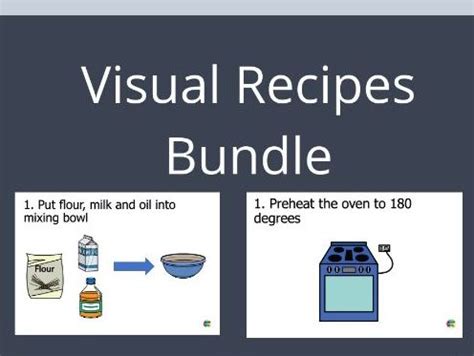
Instagram’s carousel posts offer a multi-slide format that allows creators to tell a visual story, step by step. This format is a natural fit for recipes, as it mimics the sequential nature of cooking instructions. Each slide can feature a different ingredient, a stage of preparation, or even variations of a dish.
Carousels convert well because they offer more information than a single image but are less demanding than a video. Users can swipe at their own pace, absorbing details before making a decision to click through for the full recipe. Engaging carousels often combine high-quality photography with succinct textual instructions or tips on each slide.
Static Images with Strong Visual Appeal
Despite the rise of video, a single, stunning static image still holds immense power. A beautifully styled food photograph can instantly convey deliciousness and evoke desire. For this format to convert, the image must be exceptionally high-quality, perfectly lit, and showcase the dish in its most appealing form.

The accompanying caption is crucial here. It needs to be enticing, perhaps hinting at a unique flavor profile or a simple cooking technique, and always include a clear call to action to find the full recipe.
Animated GIFs: A Loop of Deliciousness
GIFs offer a middle ground between static images and full videos. They can animate a specific, appealing action—like cheese pulling, chocolate melting, or sauce drizzling—in a short, looping format. These can be incredibly captivating and effectively highlight the most mouth-watering aspect of a dish without requiring sound or a play button.

While GIFs are great for initial engagement, their conversion power often relies on a strong accompanying text or a direct link embedded where supported, as they typically don’t carry their own embedded CTA.
Comparing Conversion Effectiveness
While all formats have their strengths, data often suggests that **short-form video content** and **carousel posts** tend to lead the pack in converting scrolls to recipe page visits. Short-form videos excel due to their high engagement rates and the ability to demonstrate a process, building anticipation. Carousels succeed by progressively revealing information, drawing viewers deeper into the content before nudging them toward the full recipe.
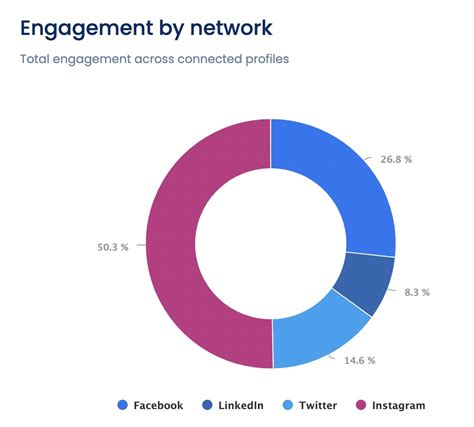
The format’s success also heavily depends on the platform and the creator’s audience. What works best on Pinterest might differ from TikTok or a food blog’s Instagram strategy.
Best Practices for Maximizing Conversion
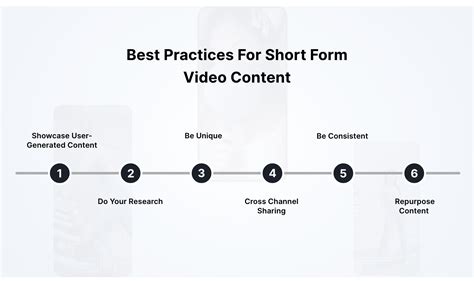
Regardless of the chosen format, several universal principles boost conversion rates:
- Irresistible Visuals: High-quality, well-lit, and appetizing imagery is non-negotiable.
- Clear Call to Action (CTA): Always tell your audience exactly what you want them to do (e.g., “Link in bio for recipe!” or “Tap here to cook!”).
- Intrigue, Don’t Give Everything Away: Offer just enough information to hook them, but hold back the full details for the recipe page.
- Consistency: Maintain a consistent visual style and posting schedule to build audience expectation.
- Platform Optimization: Tailor your visual bites to the native features and audience behavior of each platform.
Conclusion
While short-form video and carousel posts frequently demonstrate superior conversion power for recipe page visits, the most effective ‘Visual Bites’ strategy often involves a mix of formats tailored to specific content goals and platform algorithms. Experimentation, analytics tracking, and understanding your audience’s preferences are crucial to refining your approach and ensuring your delicious creations successfully make the leap from screen to kitchen.