What Visual Bites photo tips boost foodie engagement and recipe saves?

In the bustling digital world of food blogs, Instagram feeds, and Pinterest boards, a recipe isn’t truly complete without captivating visuals. Foodies scroll, save, and share based almost entirely on what catches their eye. So, how can you transform your food photography from merely descriptive to irresistibly engaging, prompting viewers not just to admire but to hit that precious ‘save’ button?
The Power of Visual Storytelling
Before a single word of your recipe is read, your photo has already told a story. It communicates freshness, flavor, texture, and the overall experience of the dish. A dull, poorly lit photo can make even the most delicious recipe seem unappetizing, while a vibrant, well-composed shot can ignite cravings and curiosity, making someone feel like they can almost taste it through the screen. This immediate emotional connection is the bedrock of engagement.
Mastering Light: Your First Ingredient
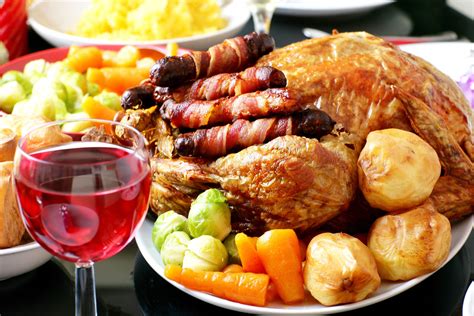
Natural light is often the best light. Position your food near a window, ensuring the light comes from the side or slightly behind the dish. Avoid direct, harsh sunlight which creates strong shadows and blown-out highlights. Soft, diffused light highlights textures and colors beautifully, making food look fresh and inviting. If natural light isn’t available, consider using a softbox or diffused artificial light, always aiming for a warm, appetizing glow.
Composition and Styling: Arranging Your Masterpiece
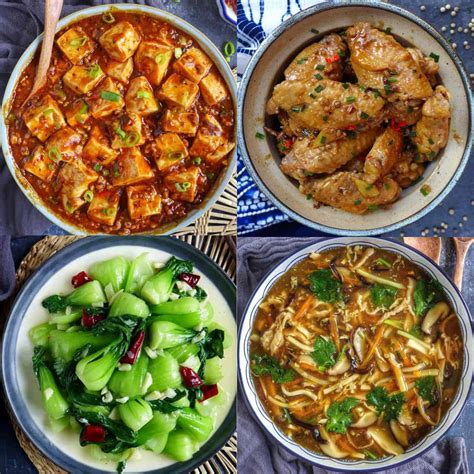
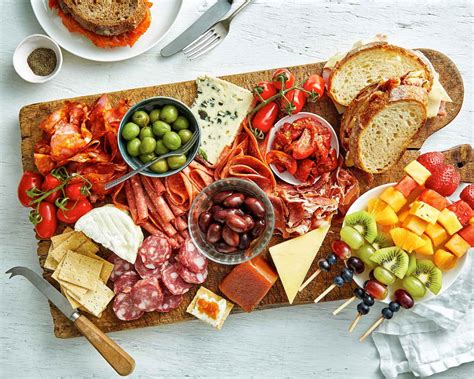
Composition is how you arrange elements within your frame. The rule of thirds is a great starting point, placing your main subject off-center. Consider negative space to give your dish room to breathe. Food styling involves thoughtful prop selection (simple, non-distracting plates, cutlery, or napkins) and backgrounds (clean, rustic, or complementary textures). Garnishes like fresh herbs, a sprinkle of salt, or a drizzle of sauce can add visual appeal and freshness, making the dish look finished and ready to eat.
Focus and Depth: Guiding the Eye
Selective focus is a powerful tool to draw attention to your hero ingredient or the most appealing part of the dish. A shallow depth of field (where the background is blurred, known as bokeh) isolates your subject and creates a professional, artistic look. Ensure your main subject is tack-sharp, as blurriness can detract from the perceived quality and appeal of the food.
Post-Processing Magic: Enhancing without Overdoing
Editing is where you refine your image. Adjust brightness, contrast, and white balance to make colors pop and details sharper. However, the key is enhancement, not transformation. Over-editing can make food look artificial and unappealing. Subtle adjustments can make a significant difference, bringing out the vibrancy and making the dish look even more delicious than it already is.
Capturing the “Eat Me” Moment: Action & Authenticity
Sometimes, a static shot isn’t enough. Consider action shots – a hand reaching for a piece of cake, a drizzle of syrup, steam rising from a hot dish, or a sprinkle of herbs. These dynamic elements add life and excitement, making the food feel more real and approachable. Authenticity is also key; people connect with genuine images, not overly staged perfection. Show the “real” process or a casual serving to build trust and relatability.

Beyond the Single Shot: Telling a Series
Don’t limit yourself to just one angle. Capture different perspectives: a tight close-up for texture, an overhead shot for pattern and arrangement, or a wider shot to show the context. For recipes, a series of photos showing different stages of preparation can be incredibly engaging, visually guiding the viewer through the cooking process. Carousel posts on Instagram or photo galleries on blogs are perfect for this, boosting saves as users appreciate the step-by-step visual guidance.
The Recipe for Engagement
Mastering food photography isn’t just about taking pretty pictures; it’s about creating a compelling visual narrative that speaks directly to the desires of a foodie. By focusing on light, composition, styling, focus, and authentic post-processing, you can elevate your culinary content. These “visual bites” are the delicious bait that stops the scroll, sparks curiosity, and ultimately encourages those coveted recipe saves and shares, turning casual viewers into loyal followers and eager home cooks.