What Visual Bites style drives most foodie engagement & shares?

In the digital age, food isn’t just about taste; it’s a spectacle, a visual feast presented on the screens of millions. For food bloggers, restaurateurs, and culinary creators, mastering the art of the ‘visual bite’ is paramount. But with countless trends and styles, what visual approach truly cuts through the noise to captivate an audience, drive engagement, and become widely shared?
The Psychology Behind Shareable Food Visuals
Understanding what makes a food image share-worthy goes beyond just good lighting. It taps into psychological triggers: nostalgia, aspiration, relatability, and pure sensory delight. A truly engaging visual bite evokes an emotional response, making viewers feel they can almost taste, smell, or experience the dish themselves. This ‘drool factor’ is key to prompting a like, a comment, or, most importantly, a share.

Dominant Visual Styles and Their Impact
Several visual styles consistently dominate the foodie landscape, each with its own unique appeal:
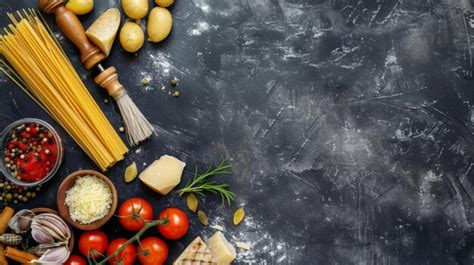
- The Rustic & Authentic: This style emphasizes natural textures, wholesome ingredients, and a homemade feel. Think close-ups of freshly baked bread, a bubbling stew in a cast iron pot, or garden-fresh produce. It evokes comfort, tradition, and a sense of ‘realness,’ often resonating with those seeking honest, unpretentious food experiences.
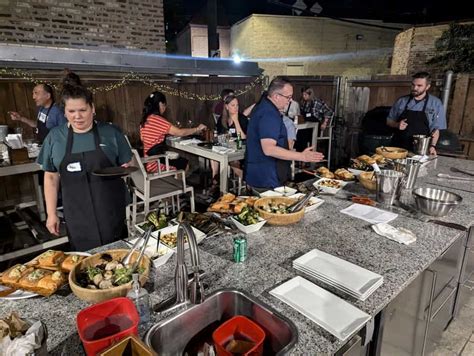
- The Vibrant & Abundant: Characterized by rich colors, generous portions, and often a ‘spread’ of multiple dishes. This style is about celebration, indulgence, and variety. It’s often seen in flat lays of brunch tables or lavish dinner spreads, appealing to the desire for shared experiences and plentiful deliciousness.
- The Minimalist & Elegant: Less is more here. This style focuses on a single hero dish or ingredient, often against a clean, uncluttered background. It highlights craftsmanship, precision, and the inherent beauty of the food itself. It appeals to a sophisticated palate, conveying a sense of artistry and high quality.
- The Aesthetic & Curated: This style often merges food with a lifestyle element. It might feature hands interacting with the food, a carefully placed prop, or a scenic background (e.g., a coffee cup on a windowsill with a city view). It sells an experience, a mood, or an aspiration, inviting viewers into a desirable world where food plays a central role.

The Undisputed Champion: Authenticity with a Touch of Aspiration
While all these styles have their merits, the visual bite that consistently drives the most engagement and shares often combines authenticity with a touch of aspiration. It’s not about being fake or overly staged, but about presenting food in its best, most appealing light while maintaining a sense of genuine connection.
Here’s why this blend works:
- Relatability: People connect with food they feel they could make or eat themselves. Authentic styling uses natural light, real textures, and often shows a hint of imperfection that makes it feel human.
- Aspiration: While relatable, the image also needs to be inspiring. This is where quality photography, thoughtful composition, and appealing plating come in. Viewers should see the dish and think, “I want that!” or “I want to try making that!”
- Sensory Immersion: Close-ups that show steam, glistening sauces, crispy edges, or intricate details are incredibly effective. These visuals activate multiple senses, making the experience more immersive even through a screen.
- Storytelling: The most engaging visuals tell a story. Whether it’s the narrative of a fresh ingredient’s journey, the joy of a shared meal, or the comfort of a home-cooked dish, a compelling story makes an image memorable and shareable.
Best Practices for Maximizing Engagement & Shares
Regardless of your chosen primary style, adherence to certain best practices will amplify your reach:
- High-Quality Photography: This is non-negotiable. Sharp focus, good exposure, and minimal noise are fundamental. You don’t need expensive equipment; many smartphones can achieve stunning results with the right technique.
- Natural Lighting: Whenever possible, use soft, diffused natural light. It highlights textures and colors beautifully without harsh shadows.
- Composition is Key: Utilize rules like the rule of thirds, leading lines, and negative space to create visually appealing and balanced images.
- Color Theory: Pay attention to contrasting and complementary colors to make your food pop. Bright, appetizing colors often perform best.
- Action Shots & Movement: Static photos are good, but a pouring sauce, a sprinkle of herbs, or hands interacting with food can dramatically increase engagement. Short video clips (reels, stories) often outperform still images.
- Consistent Branding: While experimenting with styles, maintain a consistent aesthetic or ‘brand voice’ so your audience can recognize your content instantly.
- Emotional Connection: Always aim to evoke an emotion – hunger, comfort, joy, curiosity. This emotional resonance is what truly drives shares.
Conclusion
Ultimately, the most engaging and shareable visual bites are those that blend high-quality execution with genuine emotion and authenticity, often with a subtle hint of aspiration. They make viewers feel something, whether it’s hunger, inspiration, or simple joy. By focusing on sensory appeal, compelling storytelling, and a relatable yet aspirational presentation, food creators can craft visual content that not only stops the scroll but also encourages enthusiastic sharing across the digital culinary landscape.