What Visual Bites techniques best communicate true taste and texture to real foodies?

Beyond the Pretty Picture: Capturing the Essence of Taste and Texture
For true foodies, a visual representation of food isn’t just about aesthetic appeal; it’s about a promise, an evocation of sensory delight that transcends the screen. Communicating the authentic taste and texture of a dish through visual bites requires more than just good lighting and composition; it demands a deep understanding of how to trigger sensory memory and anticipation. This article delves into techniques that bridge the gap between sight and sensation, transforming static images into dynamic, mouth-watering experiences.
The Power of Micro-Details: Close-Ups and Macro Shots
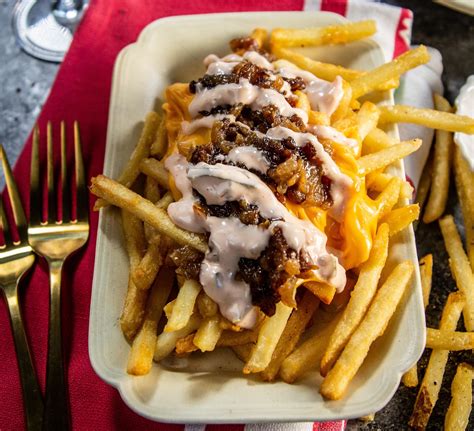
One of the most effective ways to convey texture is through extreme close-ups and macro photography. These shots allow viewers to appreciate the intricate details that contribute to a dish’s mouthfeel. Think of the glistening sauce coating a perfectly seared scallop, the delicate flakiness of a croissant, or the tender fibers of slow-cooked meat. By highlighting these minute elements, you provide visual cues that suggest crispness, juiciness, tenderness, or chewiness, inviting the viewer to imagine the sensation on their palate.

Dynamic Lighting for Depth and Realism
Lighting is paramount in food photography, but for communicating taste and texture, it must be used strategically. Side lighting, for instance, is excellent for creating shadows that accentuate surface irregularities, making crispy skin appear crispier and fluffy bread seem softer. Backlighting can highlight translucency, making liquids glow and bringing out the delicate nature of fresh ingredients. The interplay of light and shadow adds depth, volume, and a sense of realism that helps convey the food’s physical properties, hinting at its true texture.
Capturing Motion: The Language of Freshness and Process
Motion is a powerful tool for conveying not just freshness but also the active, delightful experience of food. A drizzle of olive oil over a salad, steam rising from a hot bowl of soup, a sprinkle of herbs, or the perfect slice through a succulent roast – these actions instantly communicate warmth, aroma, and vitality. Short video clips or animated GIFs are particularly adept at capturing these ‘action shots,’ transforming static food into a dynamic event that stirs the appetite and suggests an immediate sensory experience.
Thoughtful Props and Environmental Cues
While the focus should always be on the food, judicious use of props and background elements can subtly enhance the perception of taste and texture. Rustic wooden boards might evoke an earthy, wholesome feel, while crisp linen suggests refinement. The choice of plating, showcasing layers, or emphasizing the raw ingredients, can also speak volumes. These environmental cues create context, helping the foodie associate the dish with certain qualities of freshness, craftsmanship, or comforting warmth.

Evoking Other Senses: Temperature and Sound
Even in a purely visual medium, clever techniques can hint at temperature and even sound. A frosted glass with condensation implies a refreshing chill, while a bubbling pot or a sizzling pan instantly communicates heat and aroma. A perfectly flaky cross-section of a croissant or the glistening surface of a crème brûlée waiting to be cracked visually suggests an accompanying sound and tactile experience. By focusing on these ‘sensory triggers,’ visuals can transcend their medium and activate a broader range of the viewer’s senses, leading to a richer anticipation of taste and texture.

Conclusion
To truly communicate taste and texture to real foodies, visual bites must move beyond mere surface beauty. By mastering macro details, dynamic lighting, capturing motion, using thoughtful props, and strategically hinting at other sensory experiences like temperature and sound, creators can craft visuals that do more than just show food – they make you feel it, smell it, and taste it long before the first bite. These sophisticated techniques transform a viewing experience into a sensory journey, deeply resonating with a foodie’s discerning palate and satisfying their inherent quest for culinary authenticity.