What visual clues guarantee authentic local eats, not tourist traps?

Unmasking Authenticity: Your Visual Guide to Local Gastronomy
Venturing into a new city or country often ignites a craving for authentic culinary experiences. The challenge, however, lies in navigating the labyrinth of eateries, distinguishing genuine local gems from cleverly disguised tourist traps. While online reviews offer a starting point, relying on your own visual observations in the moment can be the most reliable compass. Here’s how to develop an eagle eye for truly local eats.
The Golden Rule: Observe the Clientele
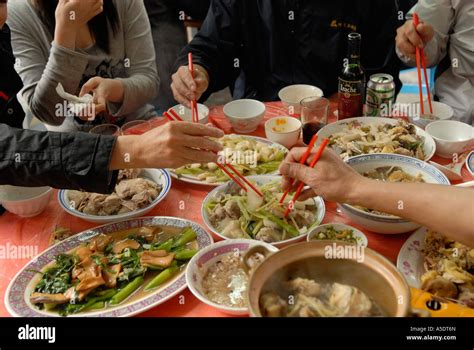
Perhaps the most telling sign of an authentic establishment is its customer base. If a restaurant is filled predominantly with locals – families, businesspeople, or friends chatting in the native tongue – you’ve likely hit the jackpot. Tourist traps, conversely, often have signs in multiple languages, menus with pictures of generic dishes, and a clientele that mirrors a UN convention. Look for the buzz of local conversation and the comfort of regulars.
Menu Marvels: Simplicity and Specificity
An authentic local eatery’s menu often tells a story. Look for menus that are:
- Limited and Focused: A sprawling menu with dozens of international dishes is a red flag. True local spots often specialize in a handful of well-executed regional dishes.
- Primarily in the Local Language: While English translations might exist, the primary language should be local. Bonus points if the dishes are described with traditional names rather than simplified, generic terms.
- Featuring Seasonal and Local Ingredients: Though not always visually obvious, a focus on specific regional ingredients often hints at authenticity.

Location, Location, (No) Aggressive Touts
Authentic eateries rarely need to scream for attention. They’re often tucked away on side streets, slightly off the main thoroughfares, or in less glamorous neighborhoods. Be wary of places on major tourist arteries with aggressive touts trying to lure you in. A true local favorite relies on reputation and word-of-mouth, not high-pressure sales tactics at the door.
The exterior of the establishment can also provide clues. It might be modest, unpretentious, and perhaps a little worn, suggesting a long history and focus on food over flashy decor. While cleanliness is important, over-the-top modern aesthetics in traditional cuisine settings can sometimes signal an attempt to appeal to a broader, less discerning tourist market.

Inside Scoop: Ambiance and Aroma
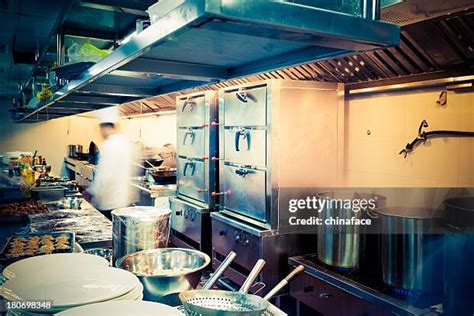
Step inside and let your senses guide you. Authentic local restaurants often exude a certain lived-in charm. The decor might be simple, functional, and perhaps a bit mismatched, reflecting years of service rather than a designer’s touch. A bustling atmosphere, the clatter of plates, and the comforting aroma of cooking specific to the region are all positive indicators. An open kitchen, where you can see the chefs at work, is often a sign of transparency and confidence in their craft.
The overall vibe should feel genuine – not sterile or overly polished. It should feel like a place where people come to eat good food, not necessarily for a “dining experience” curated for Instagram.
Presentation and Pricing: Honest Portions, Honest Value
Authentic local food often prioritizes flavor and substance over elaborate, artistic plating. Portions are typically generous and hearty, reflecting a culture that values a satisfying meal. While presentation is certainly appreciated, if every dish looks like a painting but lacks a robust aroma or the comfort of home-cooked food, proceed with caution.
Finally, consider the pricing. While “cheap” isn’t always synonymous with “authentic,” genuinely local spots often offer excellent value for money. Prices that seem excessively high for basic dishes, especially when compared to the local cost of living or other establishments catering to locals, are a strong indicator of a tourist-inflated menu.

Embrace the Adventure
Learning to spot these visual clues transforms dining into an exciting treasure hunt. By paying attention to who’s eating, what’s on the menu, where the establishment is located, and how it feels inside, you empower yourself to consistently uncover truly authentic culinary experiences. Trust your instincts, be observant, and prepare to savor the genuine flavors of your travel destination.