What visual clues help real foodies spot authentic local eats abroad?

Beyond the Tourist Trap: A Foodie’s Visual Guide
In a world saturated with highly-rated but often inauthentic dining experiences, the true food adventurer seeks out the soul of a destination through its genuine local cuisine. This isn’t about Michelin stars or trendy cafes; it’s about finding the humble, often unassuming spots where locals truly eat. While online reviews offer a starting point, real foodies develop an almost sixth sense, honed by visually decoding the subtle clues that scream ‘authentic’ amidst a sea of tourist traps. So, what specific visual cues should you be looking for?
The Unpretentious Aesthetic: Humble Fronts and Minimalist Decor
Authenticity often shies away from flashy facades. Look for eateries that blend into their surroundings rather than screaming for attention. Often, these places have a well-worn appearance, with simple signage, if any, and decor that is more functional than fashionable. Overly polished or themed restaurants designed to appeal to a broad tourist demographic are usually a red flag. Instead, seek out establishments with a lived-in feel, perhaps a bit rough around the edges, that suggest years of serving the local community.

The Language Barrier: Menus That Challenge You
A truly authentic local spot will often feature a menu predominantly, or even exclusively, in the native language. While some may offer a translated version, a menu that prioritizes the local tongue is a strong indicator that their primary audience is not tourists. Furthermore, look for simplicity. Extensive, multi-page menus that try to cater to every possible palate are less likely to specialize in truly local dishes. A concise menu, perhaps handwritten or displayed on a chalkboard, focusing on a few well-executed specialties, is a very positive sign.
The Clientele Test: Spotting the Locals
Perhaps the most reliable visual clue is the composition of the crowd inside. If the majority of patrons are locals – easily identifiable by their demeanor, conversations, and attire – you’ve likely hit gold. Observe whether families are dining together, workers are grabbing lunch, or friends are gathering after hours. A restaurant packed with locals during typical meal times is a testament to its quality and authenticity. Conversely, if you see mostly other tourists, guides, or hear a cacophony of foreign languages, it might be time to move on.
The Open Kitchen and Fresh Ingredients: A Transparent Process
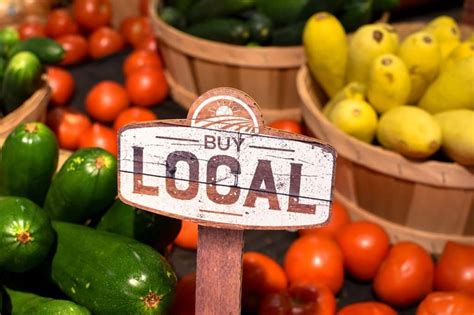
Many authentic local eateries, particularly street food stalls or smaller establishments, feature an open kitchen or preparation area. This transparency allows you to visually inspect the freshness of ingredients and the cooking methods. Are the vegetables vibrant? Is the meat being prepared on the spot? Is the cooking equipment well-maintained and busy? The sight of fresh produce, bustling woks, sizzling grills, or dough being kneaded by hand are all excellent indicators that the food is made with care and commitment to quality.
The Details That Tell a Story: Wear, Tear, and Utensils
Finally, pay attention to the small, often overlooked details. Are the tables and chairs a bit worn from years of use? Are the specific utensils, bowls, or serving dishes unique to the local culture? Sometimes, the presence of communal seating, shared dishes, or even the way food is presented (e.g., specific garnishes or sauces only found locally) can signal a genuine experience. These subtle visual cues collectively paint a picture of a place that is deeply embedded in the local culinary fabric, not just a fleeting attraction.

By sharpening your observational skills and trusting your instincts, you can bypass the superficial and dive headfirst into the truly authentic flavors that make international food adventures so rewarding. Happy hunting!