What visual cues do real foodies use to find hidden local culinary gems?

In an era dominated by polished Instagram feeds and curated online reviews, the thrill of discovering an unheralded culinary gem remains a paramount quest for the discerning foodie. While digital footprints offer convenience, they often lead to places already on everyone’s radar. True food adventurers, however, possess a honed instinct, relying on subtle visual cues that signal authenticity, quality, and a truly local experience.
The Exterior Tells a Story
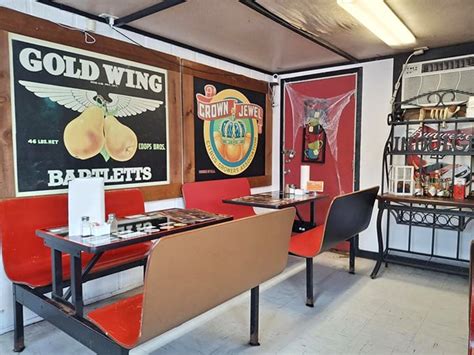
One of the first visual inspections a foodie makes is of a restaurant’s exterior. Overly flashy signs, generic chain branding, or an aggressively modern facade in an older neighborhood can often be red flags. Instead, look for a humble, perhaps even slightly worn, appearance. A hand-painted sign, a faded awning, or a simple window display that hints at the cuisine rather than screams for attention often indicates a place focused on its food rather than its decor. The presence of a small, patient queue—especially one composed primarily of locals at non-peak hours—is an undeniable signal of something special within.
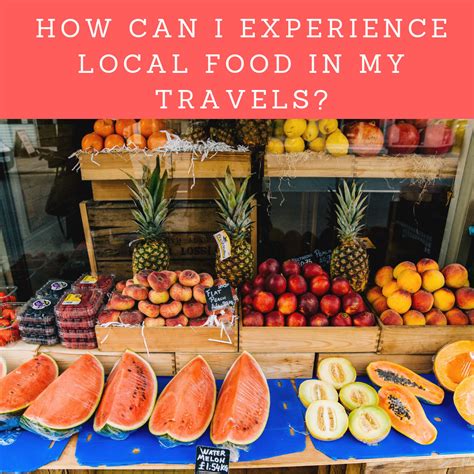
Also observe the immediate surroundings. Is it nestled in a bustling local market, a quiet residential street, or an area not typically frequented by tourists? These locations often harbor establishments that cater to a consistent local clientele, a strong indicator of authentic, delicious, and fairly priced food.
Decoding the Menu’s Visual Language
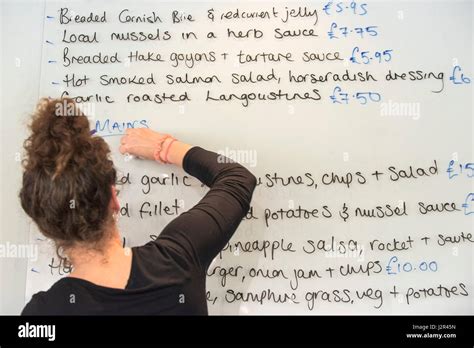
Once inside, or even peering through a window, the menu itself offers a wealth of visual information. A short, focused menu, perhaps handwritten on a chalkboard or a laminated sheet, suggests a kitchen specializing in a few dishes, executed with mastery. Contrast this with sprawling, multi-page menus featuring glossy photos and an exhaustive list of international cuisines—often a sign of a place that spreads itself too thin.
Look for authenticity in the language used. Are the dish names presented in their original language, with perhaps a brief, honest description? This often indicates a pride in tradition and a commitment to genuine flavors. Furthermore, the absence of excessive marketing jargon or overly stylized fonts often points to a no-frills establishment where the food is the star.
Inside Authenticity: Ambience and Atmosphere
The interior visual cues are equally important. While cleanliness is crucial, a spotless, sterile environment can sometimes feel impersonal. Instead, foodies look for a lived-in feel, a genuine warmth that comes from years of serving happy customers. This might mean mismatched chairs, local art on the walls, or a bustling, slightly chaotic kitchen visible from the dining area.
The clientele offers significant insight. Are local families, elderly residents, or groups of friends comfortably enjoying their meals? A restaurant full of locals immersed in conversation and enjoying their food without constantly checking their phones is a strong indicator of a place that has captured the heart of its community. Observe the staff as well: do they interact genuinely with patrons, remembering regulars, or are they detached and purely transactional?
The Silent Language of the Patrons
Beyond who is eating there, how they are eating provides crucial information. Are plates being cleared quickly? Are people sharing dishes, indicating a communal and generous approach to food? The sight of patrons leaning in, savoring each bite, and expressing delight through facial expressions or gestures speaks volumes. An abundance of clean, empty plates being whisked away is often a better review than any online comment.
Additionally, pay attention to what people are ordering. If a particular dish seems to be on every other table, it’s usually a house specialty worth exploring. The sight of diverse dishes being served, each looking fresh and appealing, suggests a kitchen capable of consistent quality across its offerings.

The Food Itself: Visual Appeal and Authenticity
Finally, and perhaps most importantly, the food itself offers the ultimate visual cue. When dishes emerge from the kitchen, do they look vibrant, fresh, and inviting? Authentic local dishes often prioritize flavor and substance over elaborate, showy plating. Look for robust portions, fresh ingredients, and a rustic charm that indicates the food is made with care and tradition. Bright, natural colors, steam rising invitingly, and rich textures are all signs that a truly delicious experience awaits.

Mastering the art of visual observation transforms dining into an adventure. By training your eyes to spot these subtle yet powerful cues, you move beyond the mainstream and unlock a world of authentic, hidden culinary gems that truly define a locale’s gastronomic identity. The most rewarding meals are often found in the most unassuming places, waiting for the discerning foodie to discover them.