What visual cues do real foodies use to spot authentic local eateries during travel?

The Art of Spotting True Local Gems
For the discerning palate, travel isn’t just about sightseeing; it’s a gastronomic journey into the heart of a culture. But navigating a new city’s food scene can be daunting. How do real foodies, those who shun tourist traps, manage to consistently unearth the authentic local eateries that offer a true taste of the destination? The secret lies in a keen observation of visual cues – subtle yet powerful indicators that speak volumes about a place’s authenticity.
The Local Litmus Test: Who’s Eating There?
Perhaps the most potent visual cue is the clientele. Authentic local eateries are, by definition, where locals eat. Look for multi-generational families sharing a meal, groups of friends catching up, or workers on their lunch break. A restaurant bustling with native speakers and not a single tourist menu in sight is often a golden ticket. Conversely, if you see mostly foreigners, English menus prominently displayed, and prices significantly higher than surrounding establishments, it’s likely a tourist-oriented spot.
Pay attention to the interaction between staff and patrons – a warm, familiar rapport often indicates a beloved community fixture. The more locals you see, the higher the chances you’ve stumbled upon an authentic experience.

The Aesthetic of Authenticity: Humble & Worn
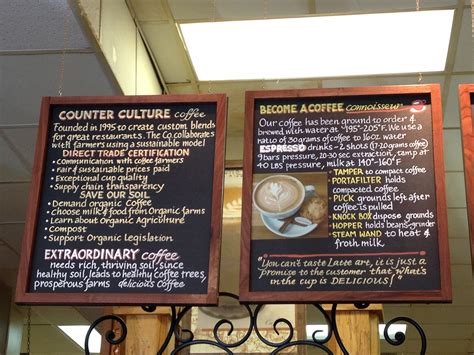
Authentic local eateries rarely invest in flashy, Instagram-worthy decor. Instead, their charm lies in their simplicity and functionality. Look for unpretentious settings: worn tables, utilitarian chairs, perhaps a slightly faded sign, or handwritten specials tacked to a wall. These aren’t signs of neglect but rather indicators that the focus is squarely on the food, not the ambiance. A spotless, brand-new interior designed for mass appeal can often be a red flag.
Evidence of history – faded photographs, local artwork, or even just the well-worn patina of years of service – often speaks to a long-standing establishment cherished by its community.
Menu Mantra & Culinary Focus
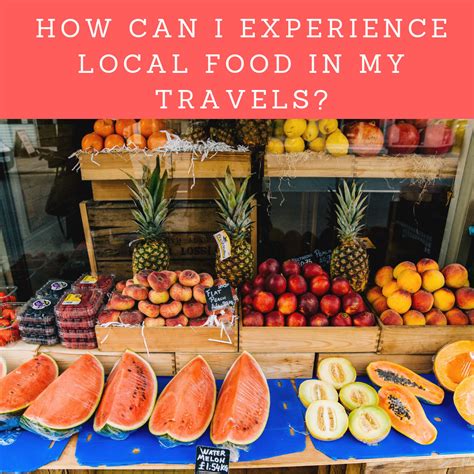
A tell-tale sign of authenticity is the menu itself. Often, true local spots will have a concise, focused menu, sometimes even handwritten or spoken aloud. This indicates specialization and a dedication to perfecting a few signature dishes rather than trying to offer everything. An extensive, multi-page menu with generic international options is usually a sign to keep walking. Furthermore, if you see fresh, local ingredients prominently displayed or being prepared visibly, it’s a strong positive indicator.
Kitchen Transparency & Sensory Signals
While not always a direct visual cue of the food itself, a glimpse into the kitchen or the cooking process can be incredibly reassuring. An open kitchen or a window that allows you to see chefs at work demonstrates confidence in their craft and hygiene. The sights, sounds, and most importantly, the aromas emanating from the kitchen can be powerful signals. A busy kitchen, the sizzle of fresh ingredients, and the alluring scent of local spices are unmistakable invitations.
Observe the dishes being served – are they fresh, vibrant, and consistent? Do they look like home-cooked meals rather than mass-produced plates?

The Tell-Tale Signs of a Well-Loved Spot
Sometimes, the little details speak volumes. Worn-out but clean cutlery, slightly chipped plates, or even the way condiments are presented can hint at a place that has seen countless happy customers. Queues out the door, especially during off-peak hours, are another strong, albeit indirect, visual cue. Locals don’t wait in line for mediocre food.
Finally, trust your gut and engage with the environment. If a place feels welcoming, authentic, and smells incredible, chances are you’ve found a genuine local treasure. Combine these visual cues with a dash of adventurous spirit, and you’ll consistently uncover the culinary heart of any destination.