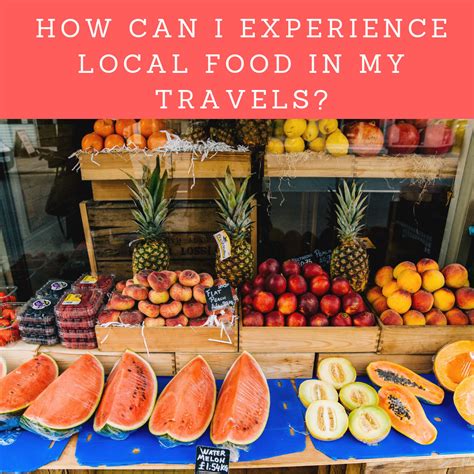
What visual cues do you use to spot authentic local eats & capture their story?

There’s an undeniable magic in discovering authentic local cuisine while traveling. Beyond just filling your stomach, it’s about connecting with a culture, understanding a community, and tasting the true essence of a place. But how do you sift through tourist traps and find those hidden gems that offer a genuine culinary experience? It all starts with sharp observation and a keen eye for visual cues.
Decoding the Visual Language of Authenticity
The first step in any great food adventure is observation. Forget the shiny, overly polished establishments; often, the best food comes from the most unassuming places. Look for a bustling scene, but not necessarily one filled with fellow tourists. A strong indicator of authenticity is a high concentration of locals, especially during off-peak hours.
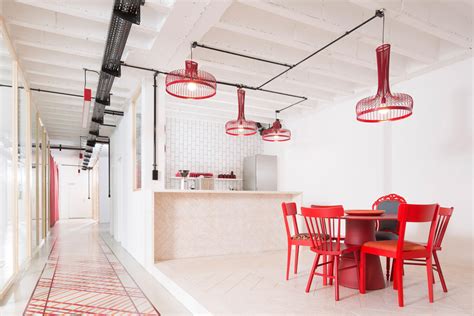
Pay attention to the setup. Is the kitchen visible? Are the ingredients fresh and displayed proudly? A menu that’s short, focused, and perhaps even handwritten can be a good sign, indicating specialization rather than a desire to cater to every possible taste. And don’t be deterred by a lack of polished decor; often, the most delicious food is found in humble settings where the focus is solely on the culinary craft.
- The Crowd: A strong local patronage, especially multi-generational families.
- The Setup: Open kitchens, visible preparation, and simple, utilitarian decor.
- The Menu: Short, specialized, often featuring local dialect or ingredients.
- The Ingredients: Freshness, seasonality, and local sourcing are key.
- The Senses: Trust your nose! The aroma of authentic spices and cooking is unmistakable.
Capturing the Narrative: From Plate to Story
Once you’ve found your culinary treasure, the next step is to capture its story. This goes beyond just snapping a picture of your dish. It’s about documenting the entire experience, from the vibrant market where ingredients were sourced to the skilled hands that prepared your meal. Think like a storyteller, using your camera and your senses to build a narrative.

Focusing on the Food Itself
When photographing the dish, aim for more than just a flat overhead shot. Get close to capture textures, steam, and the vibrant colors. Consider the lighting—natural light is almost always best. Show the context; perhaps the unique plating, the traditional utensils, or the condiments that accompany the meal.

Embracing the Atmosphere
The environment surrounding your meal is just as crucial. Capture the energy of the place: the chatter of diners, the rhythm of the kitchen, the unique architectural details, or the street life unfolding around you. Wide-angle shots can effectively convey the bustling ambiance of a market stall or a busy local eatery.

The Human Element
Perhaps the most powerful element of any food story is the people. Seek permission to photograph the chef passionately stirring a pot, the vendor proudly arranging their produce, or the joyful faces of locals enjoying their meal. These are the faces that tell the true story of the food and the culture.

By consciously looking for these visual cues and actively engaging with the environment, you not only elevate your dining experience but also become a storyteller, sharing the rich tapestry of local flavors with the world. Each meal becomes a chapter, and each photograph a vivid paragraph in your ongoing food adventure.