What visual cues guarantee you select the freshest seasonal produce for your recipes?

Why Visual Cues Matter for Peak Flavor and Nutrition
Embarking on a culinary journey often begins at the produce aisle or farmer’s market. The secret to truly vibrant, flavorful, and nutritious dishes lies in selecting the freshest seasonal ingredients. While a keen sense of smell can sometimes guide you, visual cues are your primary, most reliable indicators of quality, ripeness, and freshness. Mastering these observations transforms your shopping experience and elevates your cooking.
General Principles for Spotting Freshness
Before diving into specific produce types, a few universal rules apply. Look for produce that appears vibrant and alive. Colors should be rich and uniform, not dull or faded. The item should feel firm and heavy for its size, indicating good water content and ripeness. Avoid any produce with obvious bruising, soft spots, mold, or an unpleasant odor. Healthy stems and leaves, where applicable, are also strong indicators of freshness.
Leafy Greens and Herbs: Crispness is Key
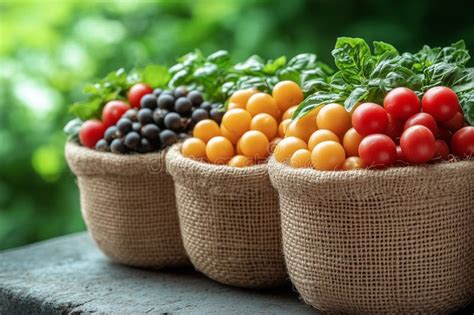
For items like spinach, kale, lettuce, cilantro, or parsley, crispness is paramount. Leaves should be brightly colored – deep green for most, but vibrant reds or purples where appropriate – and free from yellowing, wilting, or brown spots. They should feel firm and snap easily when gently bent. Avoid bunches with slimy textures or signs of decay at the stem base.
Root Vegetables: Firm and Unblemished
Carrots, potatoes, onions, radishes, and beets should be firm to the touch, with no give or softness. Their skins should be smooth and relatively unblemished, free from cracks, cuts, or sprouts (especially on potatoes and onions, which indicate age). For carrots and beets, if the greens are still attached, they should look fresh and vibrant, not withered.
Fruits: Color, Firmness, and Weight
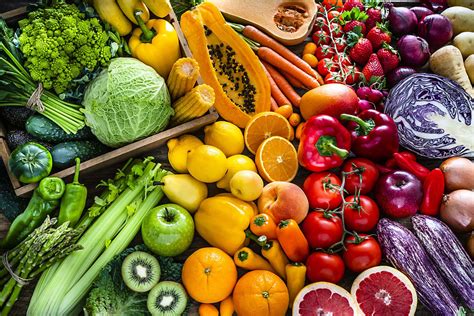
Selecting ripe fruit involves a delicate balance of observation. For berries (strawberries, blueberries, raspberries), look for plump, brightly colored fruits with no signs of mold or mushiness. Apples and pears should have a smooth, unblemished skin and feel firm and heavy. Citrus fruits (oranges, lemons) should have bright, glossy skins and feel substantial in your hand. Melons should have a dull rind (for cantaloupe and honeydew), a creamy yellow patch where they rested on the ground, and feel heavy. A ripe watermelon often has a deep, resonant thump.

Cruciferous Vegetables: Compact and Deeply Colored
Broccoli and cauliflower should have tightly packed florets without any yellowing or spreading, indicating they are past their prime. The color should be deep green for broccoli and creamy white for cauliflower, with no brown spots. Stems should be firm and not rubbery or dry.
Understanding Seasonal Availability
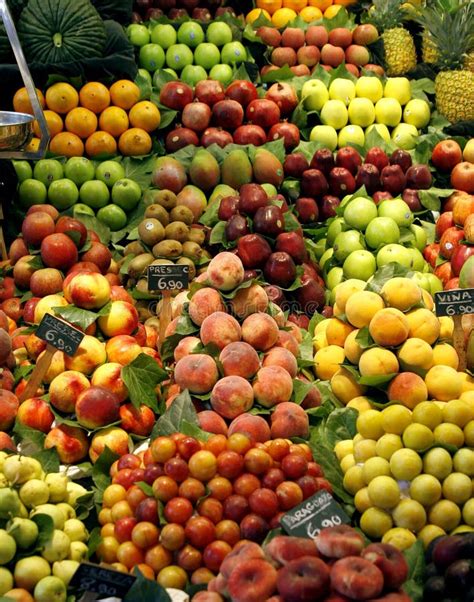
Beyond visual cues, understanding the seasonality of produce is a powerful tool. When produce is in season, it’s typically harvested at its peak, travels shorter distances, and is more likely to display these optimal visual cues. Farmer’s markets are excellent places to learn about local seasonality and often offer produce picked just hours before sale.
The Confidence of Freshness in Your Cooking
By diligently applying these visual checks, you gain confidence in your selections. This ensures that every ingredient you bring into your kitchen is at its peak of freshness, flavor, and nutritional value. The result? Recipes that sing with natural goodness and delight the palate, proving that truly great cooking starts with truly great ingredients.