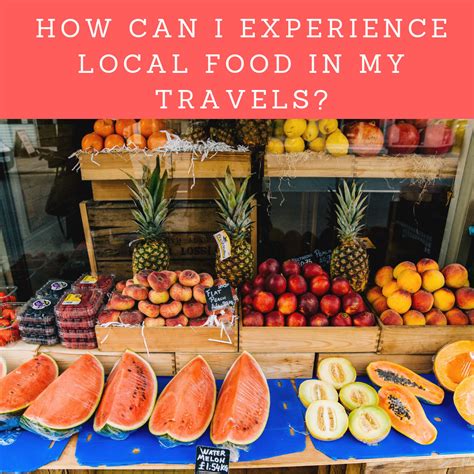
What visual cues help find authentic local food on real foodie adventures?

The Art of Spotting Authentic Local Cuisine
For any true food adventurer, the quest for authentic local cuisine is paramount. Beyond guidebooks and online reviews, there’s an art to spotting genuine culinary gems. It’s about tuning into the subtle, often unspoken, language of a local food scene. By sharpening your observational skills, you can unlock a world of flavors that most tourists miss.
The Crowd Tells a Story
Observe who is eating there. Are they predominantly locals – families, workers on lunch breaks, elderly residents? A restaurant packed with locals during non-peak tourist hours is a strong indicator of authenticity and good value. Look for diversity in age and attire, suggesting it’s a staple for the community.
Conversely, if a place is empty or filled entirely with fellow tourists speaking English, it might be a red flag. While not always definitive, it often suggests a menu or experience tailored more for visitors than for locals seeking their daily sustenance.

Simplicity and Focus on the Food
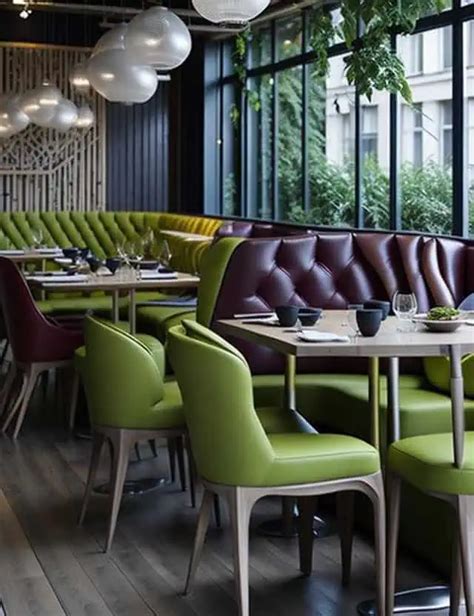
Authentic local eateries often prioritize substance over style. Forget elaborate decor or polished interiors. Look for clean but unassuming settings – worn tables, simple chairs, perhaps a modest, functional kitchen area. The focus is almost always on the food itself, not the ambiance designed to impress.
A truly authentic spot might have a small, highly specialized menu. If a restaurant offers a sprawling menu with dozens of international dishes, it’s often a sign of catering to a broad tourist palate rather than specializing in local delicacies. Look for establishments that excel at a few specific dishes, indicating mastery.
Visual Cues of Freshness and Preparation
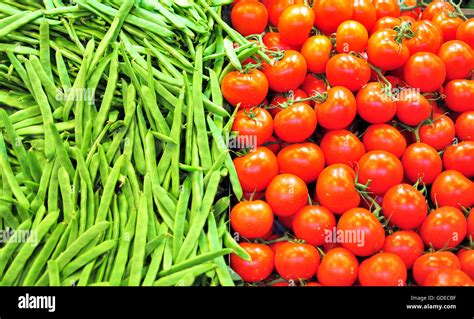
Pay attention to the ingredients. Are fresh produce, meats, or seafood displayed openly? Is the kitchen visible, allowing you to glimpse the preparation process? Seeing cooks actively working with fresh ingredients, often in a bustling environment, is a great sign. Proximity to a local market can also indicate fresh, seasonal sourcing.
The visual appeal of the food itself, beyond Instagram-worthiness, matters. Does it look vibrant, freshly cooked, and inviting? Are portions generous and reflective of local eating habits? Observe what locals are ordering and how it’s presented.
Beyond the Facade: Signs and Sounds
Look for handwritten menus or signs primarily in the local language, with perhaps minimal or no English translation. This often suggests a place isn’t targeting tourists. Quirky, hand-painted signs can be charming indicators of a long-standing local institution.
Listen to the sounds. A lively chatter in the local language, the sizzle of cooking, and the clatter of plates often accompany genuine local dining experiences. If the only sounds are hushed whispers or English conversations, it might be less authentic. And of course, a steady queue, especially at lunch or dinner time, is almost always a good sign of popularity and quality.
The Price Tag and Location Logic
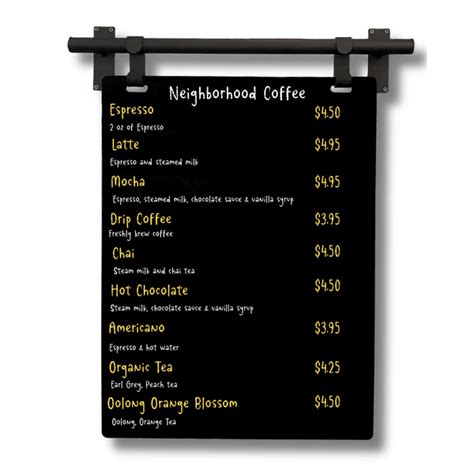
Authentic local food is generally more affordable than tourist-centric options. If prices seem surprisingly high for a basic dish, especially compared to other local establishments, be wary. Look for places with prices that align with the local economy, not international tourist budgets.
Location can also be a clue. While some popular authentic spots might be near major attractions, many true gems are tucked away on side streets, slightly off the main tourist drag. They rely on repeat local business, not foot traffic from sightseers. Sometimes, the less obvious the location, the more authentic the find.
Conclusion
Finding authentic local food is a thrilling treasure hunt for any foodie adventurer. By honing your visual acuity and paying attention to these subtle cues – from the clientele to the menu, the ingredients, and even the sounds – you can bypass the tourist traps and dive headfirst into the true culinary heart of any destination. Trust your instincts, be observant, and let your eyes guide you to unforgettable gastronomic experiences.