What visual cues help find truly authentic local eats, not tourist traps?

Embarking on a culinary journey in a new destination is often the highlight of any trip. The quest for truly authentic local eats, however, can be fraught with the peril of falling into tourist traps – establishments designed more for quick profits from visitors than for genuine gastronomic experiences. Fortunately, with a keen eye for visual cues, you can often discern the genuine article from the imitation before you even step inside.
Observe the Crowd: The Local Litmus Test
Perhaps the most telling sign of an authentic eatery is its clientele. If a restaurant is packed with locals – families, business people on their lunch break, or friends catching up – chances are you’ve hit a jackpot. Look for tables filled with people who seem comfortable, familiar with the menu, and engaged in local conversation. A dining room dominated by other tourists, especially those poring over maps or speaking only English in a non-English-speaking country, is a red flag. Locals know where the good food is, often prioritizing taste and value over flashy presentation or prime real estate.
Decoding the Exterior: First Impressions Matter
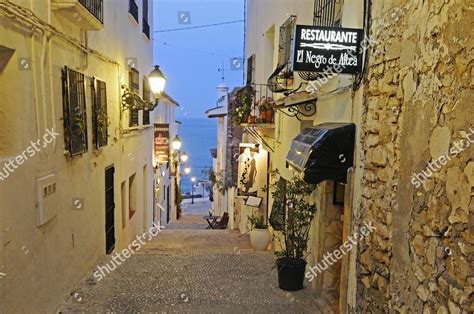
Authentic local spots often eschew elaborate, polished exteriors. Look for simplicity, perhaps a well-worn facade, and signage that is primarily in the local language, possibly hand-painted or modest. While cleanliness is always good, an overly sterile or generic look, often coupled with aggressive hawkers trying to pull you in, suggests a tourist-focused establishment. Authentic places often rely on their reputation and consistent quality, not flashy signs or high-pressure sales tactics. Pay attention to the surrounding area; if it’s nestled among local businesses rather than souvenir shops, it’s a good sign.
The Menu’s Message: Beyond Just Words
The menu itself offers a wealth of clues. A lengthy, multi-page menu translated into half a dozen languages, especially with glossy pictures of every dish, is often a sign of catering to tourists. Authentic local eateries typically have shorter, more focused menus, perhaps only in the local language (or with a single, simple English translation if they’re used to some foreign visitors). Look for specific, perhaps unfamiliar, local dishes rather than generic international fare. Prices should also align with local standards; exorbitant prices for common dishes are a clear indicator of a tourist premium.

Inside Scoop: Décor and Atmosphere
Step inside, and the visual cues continue. Authentic local restaurants often feature humble, functional decor rather than themed or overly stylized interiors. Tables might be simple, chairs perhaps a bit mismatched, and the overall ambiance might prioritize comfort and community over high design. Visible kitchens, especially those bustling with activity and emitting enticing aromas, are excellent signs of freshness and transparency. Avoid places that feel overly polished, chain-like, or specifically designed to mimic a stereotypical “local” feel without genuine substance.

The Sights, Sounds, and Smells of Authenticity
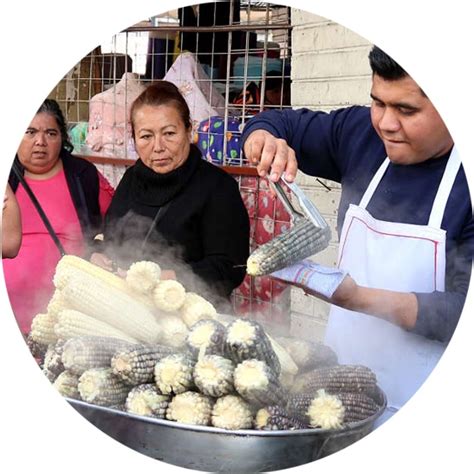
Beyond the static elements, observe the dynamic environment. A truly authentic spot often hums with a genuine local buzz – the clatter of dishes, animated conversations, and the unmistakable aroma of delicious food being prepared. If you see street vendors outside cooking fresh items, or people queuing patiently for a table, these are strong indicators of quality and popularity within the local community. The absence of such sensory richness, replaced by quiet emptiness or aggressive solicitation, should make you think twice.
Don’t Be Afraid to Venture Off the Beaten Path
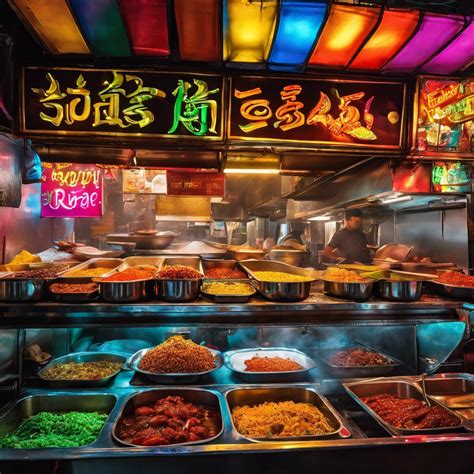
Ultimately, finding authentic local eats requires a bit of adventurous spirit. Don’t be afraid to wander a few blocks away from the main tourist arteries. Often, the best culinary treasures are found down side streets or in less conspicuous locations. Trust your instincts, look for the visual cues discussed, and you’ll dramatically increase your chances of experiencing the true flavors and culture of your destination, creating unforgettable food adventures.