What visual cues help foodies discover truly authentic local eats abroad?

Beyond the Tourist Traps: Decoding Authenticity Through Sight
For adventurous foodies, discovering truly authentic local cuisine is often the highlight of any trip abroad. While guidebooks and online reviews offer a starting point, relying on visual cues can be far more effective in unearthing those hidden gems cherished by locals. Learning to read the subtle signs of authenticity can transform your culinary journey from merely eating to truly experiencing a culture.
The quest for genuine flavors begins with observing the immediate environment. Forget the establishments with multilingual menus plastered outside and smiling hosts beckoning tourists in; true authenticity often lies in less obvious places.
The Power of the Local Crowd
Perhaps the most telling visual cue is the clientele. A restaurant or food stall teeming with locals, especially during peak meal times, is a strong indicator of quality and authenticity. Look for queues forming, people chatting animatedly, and a general buzz that suggests a beloved community spot. If you see families, workers on lunch breaks, or groups of friends who appear to be natives, you’re likely onto something good.
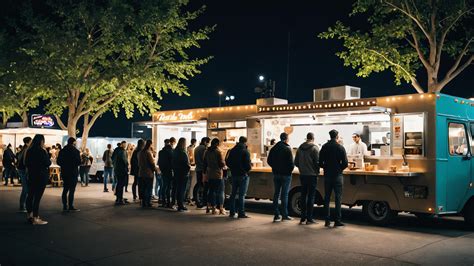
Conversely, an empty restaurant in a prime tourist area, even during a busy hour, should raise a red flag. Locals know where to find the best food, and their presence is an invaluable endorsement that no marketing budget can replicate.
Humble Exteriors and Focused Menus
Authentic local eateries often prioritize substance over style. Don’t be deterred by simple decor, plastic chairs, or a lack of fancy frills. Many of the most celebrated local spots are unassuming from the outside, with their focus entirely on the food. A worn facade or a bustling, no-nonsense interior can often signal a place where generations have perfected their craft.
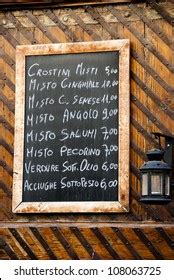
Another strong visual cue is the menu itself. Look for establishments with a limited menu, perhaps specializing in just a few dishes or a particular regional delicacy. This focus often indicates mastery and freshness, as they concentrate their efforts on doing a few things exceptionally well. Handwritten menus, or those solely in the local language without English translations, are also positive signs, suggesting the primary audience is local, not transient tourists.
Visible Preparation and Fresh Ingredients
Watching food being prepared can offer immense insight into its authenticity. Street food vendors with open kitchens or small restaurants where you can see the chefs at work are often excellent choices. The visible handling of fresh ingredients, vibrant colors of produce, and the careful, practiced movements of the cooks all contribute to the narrative of authenticity. Observing these processes can assure you of both hygiene and traditional cooking methods.

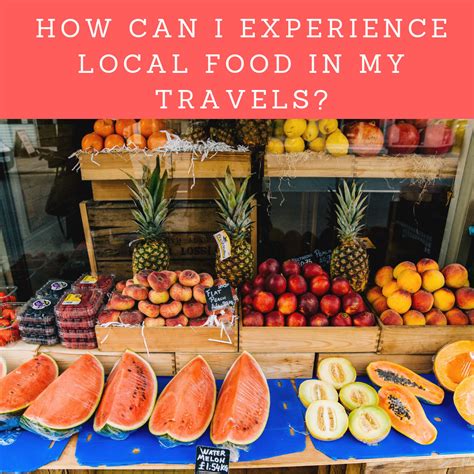
Similarly, keep an eye out for places located near local markets, suggesting they source their ingredients fresh daily. The sight of bustling market stalls overflowing with seasonal produce often points to nearby eateries that value quality and local sourcing.
The Off-the-Beaten-Path Location
While some authentic spots can be found in more central areas, many truly local gems require a bit of venturing off the main tourist avenues. Explore side streets, quieter neighborhoods, or even industrial areas where workers gather for lunch. These less glamorous locations are less likely to cater to tourist palates and more likely to serve the genuine flavors of the region.
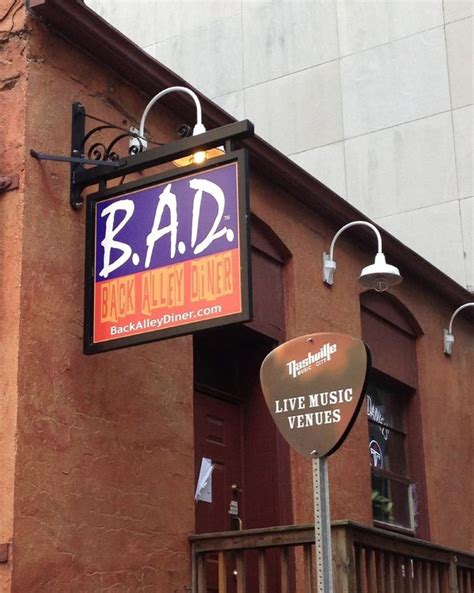
Look for signs that are not aimed at international visitors, perhaps only a simple name or symbol that locals recognize. Sometimes, the most rewarding culinary discoveries are made when you trust your instincts and follow the less trodden path, guided by the visual evidence of local life.
Conclusion: Trusting Your Eyes for Taste
By sharpening your observational skills and paying attention to these visual cues – the local crowd, humble settings, focused menus, visible preparation, and off-the-beaten-path locations – foodies can dramatically increase their chances of discovering truly authentic local eats abroad. These visual clues are your secret weapons in navigating the global culinary landscape, transforming each meal into a genuine cultural immersion and an unforgettable taste adventure.