What visual cues help foodies find authentic local eats fast?
Unlocking Local Flavors: Visual Signals for the Savvy Foodie
For adventurous foodies, there’s nothing quite like discovering an authentic local eatery – a hidden gem serving dishes steeped in tradition and regional character. But in a new city or town, how do you cut through the tourist traps and quickly identify the places where locals genuinely eat? The secret lies in keenly observing visual cues. By paying attention to certain indicators, you can fast-track your way to genuine culinary experiences.
The Power of the Crowd: Follow the Locals
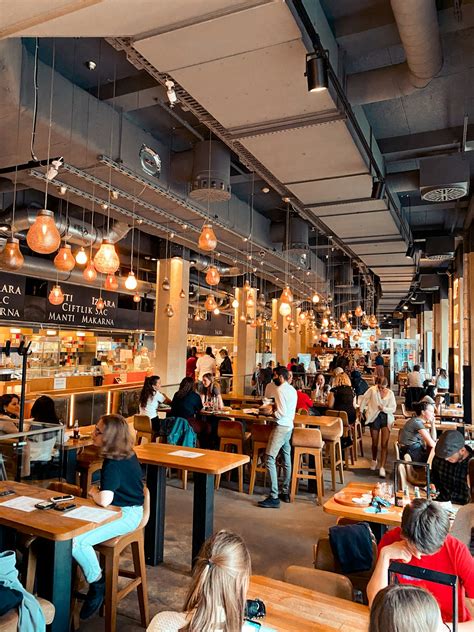
Perhaps the most potent visual cue is the clientele itself. A restaurant packed with locals during peak meal times is almost always a reliable indicator of quality and authenticity. Look for:
- Local Faces: Are the patrons speaking the local language, dressed in everyday attire, and seeming comfortable in their surroundings? This is a strong sign you’ve stumbled upon a local favorite.
- Long Lines: While inconvenient, a queue (especially one comprising locals) often signifies a place worth the wait. It suggests high demand and a reputation built on delicious food.
- High Turnover: If tables are constantly being filled as soon as they empty, it points to a well-loved spot that keeps people coming back.
Embrace the Unpretentious: Setting and Atmosphere
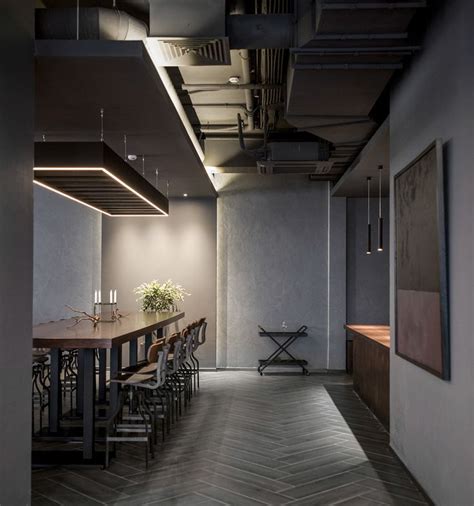
Authentic local eateries often prioritize substance over style. Don’t be swayed by flashy facades or overly curated interiors designed to attract tourists. Instead, look for:
- Humble Decor: Worn tables, mismatched chairs, simple wall decor, or even a lack of significant decoration can signal a place focused purely on its food. Perfection is often a red flag for authenticity.
- Kitchen Transparency: If you can peek into a bustling, often visible kitchen, it can be a good sign. It speaks to confidence in their cooking process and hygiene.
- Local Accoutrements: Are there local newspapers on tables, traditional crafts, or items that clearly belong to the region? These small touches can indicate a deep connection to the local culture.
Decoding the Menu: Simplicity and Specificity
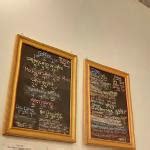
The menu itself offers a treasure trove of visual clues about a restaurant’s authenticity.
- Limited Options: A concise menu often means a kitchen specializes in a few dishes, perfecting them over time. Broad, multi-cuisine menus tend to cater to general tastes rather than specific local traditions.
- Local Language Prominence: Menus primarily in the local language (perhaps with a small, less prominent English translation) suggest they cater to the local populace. A menu with multiple flags and glossy photos often targets tourists.
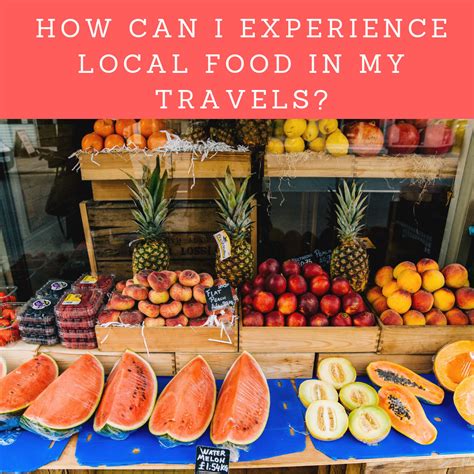
- Seasonal & Fresh Ingredients: Mentions of ‘daily specials’ or ingredients sourced from local markets are excellent indicators of freshness and a commitment to regional produce. You might even see fresh ingredients displayed at the entrance.
The Food Itself and Its Presentation
Once the food arrives, the visual cues continue. While taste is paramount, how it looks can speak volumes.
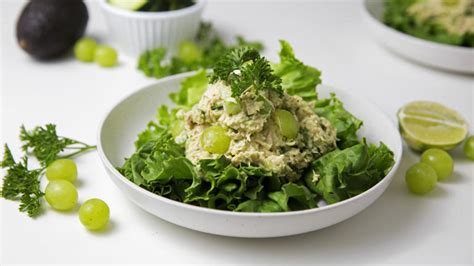
- Honest Presentation: Authentic local dishes are often served without excessive garnishing or elaborate plating, reflecting a focus on flavor and traditional preparation.
- Portion Sizes: Look for hearty, satisfying portions that reflect traditional home-style cooking rather than minimalist, ‘fine dining’ presentations (unless that’s the specific local cuisine).
- Colors and Textures: Vibrant, natural colors and varied textures often indicate fresh ingredients and thoughtful preparation.
Conclusion: Trusting Your Savvy Eye
Finding authentic local eats isn’t about guesswork; it’s about developing a keen eye for the unspoken signals. By observing the crowd, the setting, the menu, and the food itself, you can quickly and confidently navigate any culinary landscape. So next time you’re exploring, let these visual cues guide you to truly unforgettable and authentic food adventures.